

1.0
Cite Score 2025
SJR: 0.129 / SNIP: 0.140

JMERC
Owner
Janbazan Medical and Engineering Research Center (JMERC) is the owner of IJWPH.
Volume 18, Issue 1 (2026)
3 2026, 18(1): 29-47 |
Back to browse issues page
Request Type:




History
Received: 2026/05/4 | Accepted: 2026/01/29 | Published: 2026/01/29
Received: 2026/05/4 | Accepted: 2026/01/29 | Published: 2026/01/29
How to cite this article
Lestari R, Lazuardi L, Darwito D. A Decade of Telerehabilitation Using Virtual Reality from a Bioethics Perspective. 3 2026; 18 (1) :29-47
URL: http://ijwph.daneshafarand.org/article-3-85673-en.html
URL: http://ijwph.daneshafarand.org/article-3-85673-en.html
Download citation:
BibTeX | RIS | EndNote | Medlars | ProCite | Reference Manager | RefWorks
Send citation to:


Rights and permissions
BibTeX | RIS | EndNote | Medlars | ProCite | Reference Manager | RefWorks
Send citation to:


1- Department of Medical Profession, Faculty of Medicine, Wahid Hasyim University, Semarang, Indonesia
2- Department of Health Policy and Management, Faculty of Medicine, Public Health, and Nursing, Gadjah Mada University, Yogyakarta, Indonesia
3- Gadjah Mada University Academic Hospital, Yogyakarta, Indonesia
2- Department of Health Policy and Management, Faculty of Medicine, Public Health, and Nursing, Gadjah Mada University, Yogyakarta, Indonesia
3- Gadjah Mada University Academic Hospital, Yogyakarta, Indonesia
Full-Text (HTML) (74 Views)
Introduction
Advances in information and communication technology have brought about significant transformations in various sectors, including healthcare [1]. One of the most notable innovations in the last decade is the use of virtual reality (VR) technology in telerehabilitation services [2]. Telerehabilitation, as part of telemedicine, provides rehabilitation services that patients can access remotely, addressing the limitations of conventional healthcare, particularly in remote areas or for those with mobility constraints [3]. With the advent of VR, telerehabilitation approaches have become more interactive, immersive, and adaptive to the complex needs of patients, especially those with neurological disorders such as stroke, hemiplegia, fatigue, and upper limb disorders [4]. VR enables the simulation of therapeutic environments that resemble real-world conditions [5]. The combination of VR and telerehabilitation has been proven to enhance patient engagement in the therapeutic process, accelerate recovery, and reduce the burden on hospitals and rehabilitation clinics [6]. However, amid the excitement surrounding these advancements, important questions have emerged regarding the ethical dimensions of applying technology in clinical practice, which have not received sufficient attention in the scientific literature [7].
Bioethical issues are highly relevant, as health technology addresses not only technical and clinical aspects but also patient rights, equitable access, data privacy, and the quality of therapeutic relationships [8]. In the context of VR-based telerehabilitation, several ethical challenges require serious consideration [9]. First, how can we ensure that all patients, regardless of their socioeconomic or geographic background, have equitable access to this technology? Second, how can we guarantee that health data collected through VR devices is secure and used ethically? Third, do patients truly understand and consent to this technology-based therapy (informed consent), given its technical complexity?
Additionally, the use of VR in telerehabilitation raises questions about patient dependence on technology, the potential loss of humanistic aspects in the patient-therapist relationship, and the validity and reliability of therapy outcomes when care is not conducted face-to-face [10]. In many cases, technology design is developed with greater emphasis on functional and market aspects, while ethical dimensions are marginalized [11]. This reflects a gap in the literature, where studies on ethics, although important, have not yet become mainstream in VR-based telerehabilitation research [12].
Most articles from the last decade discussing telerehabilitation and VR focused on clinical, technical, and therapeutic effectiveness aspects [13]. Publications that explicitly address ethical issues remain very limited in both quantity and depth of discussion. However, to ensure that technological innovations in the health sector develop responsibly and sustainably, bioethical issues must be integral to scientific discourse and professional practice [14, 15]. In response to this situation, this article aimed to conduct a bibliometric analysis of scientific literature discussing VR-based telerehabilitation over the past ten years. The bibliometric method was chosen because it provides a quantitative overview of trends, collaboration patterns, and dominant keywords in academic literature [16]. This approach can indicate the extent to which bioethical issues have received attention in academic discourse on this topic can be identified [17]. This analysis will not only reveal the dynamics of research from geographical, institutional, and thematic perspectives but also provide a critical reflection on the role of ethical issues within the landscape of VR-based telerehabilitation research [18-22]. Thus, we did not merely present a research map but also offered conceptual and normative contributions regarding the importance of integrating ethical perspectives into the development and implementation of health technology.
The main objectives of this study were to identify trends in publications related to telerehabilitation and VR over the past decade, reveal the relevance of bioethics themes in the analyzed literature corpus, and encourage further discussion on the need for an interdisciplinary approach that combines technology, health, and ethics in the development of telerehabilitation services. The study is intended to serve as an initial reference for researchers, policymakers, technology developers, and healthcare practitioners to become more sensitive to the ethical implications of the innovations they develop or use. Overall, this study emphasized that technological innovations in healthcare cannot be separated from ethical considerations. Good technology is not only technically advanced or clinically effective but also fair, transparent, and respectful of human dignity. By incorporating bioethics into bibliometric analysis, this study sought to bridge the gap between technological sophistication and moral integrity in modern healthcare practice.
Information and Methods
This systematic review used a bibliometric approach to map the development of the scientific literature on “telerehabilitation” and “virtual reality” over the period 2015-2024. Data were sourced from the Scopus database using the (TITLE-ABS-KEY (telerehabilitation) AND TITLE-ABS-KEY (“virtual reality”)) AND PUBYEAR>2015 AND PUBYEAR<2024 AND (LIMIT-TO (SUBJAREA, “MEDI”) OR LIMIT-TO (SUBJAREA, “HEAL”) OR LIMIT-TO (SUBJAREA, “SOCI”)) AND (LIMIT-TO (DOCTYPE, “ar”) OR LIMIT-TO (DOCTYPE, “re”)) AND (LIMIT-TO (PUBSTAGE, “final”)) AND (LIMIT-TO (SRCTYPE, “j”)) AND (LIMIT-TO (LANGUAGE, “English”)) search syntax, resulting in 387 initial documents.
The documents were then filtered based on publication type, language, topic relevance, and subject area. From the initial 387 documents, filtering was conducted based on relevance to the research topic. This process included reviewing titles and abstracts to ensure relevance to telerehabilitation and VR use, followed by excluding articles that only marginally mentioned either term without a health rehabilitation context. The articles then focused on three main areas aligned with the needs of interdisciplinary analysis: medicine (MEDI), health professions (HEAL), and social sciences (SOCI), thereby broadening the scope to encompass clinical, health-professional, and social/ethical perspectives.
From an initial 503 records identified in databases, 87 were removed as duplicates, 20 were marked ineligible by automated tools, and 9 were removed for other reasons. After screening 387 records, 20 were excluded, and 10 reports were sought for retrieval. Of these, 8 reports were not retrieved. Subsequently, 349 reports were assessed for eligibility, resulting in the exclusion of 14 reports for not being in English, 7 for being off-topic, and 5 for lacking an abstract. This rigorous selection process ultimately resulted in 323 new studies being included in the review and used as the basis for bibliometric analysis.
All documents were exported in CSV format, including metadata such as author names, affiliations, keywords, abstracts, citation counts, and the journals in which they were published, followed by analysis using VOSviewer to visualize collaboration networks and map keywords. The analysis was conducted in two main stages: descriptive analysis to identify annual trends and geographic distribution, and visual analysis using VOSviewer to map keyword co-occurrence relationships and identify thematic clusters. Additionally, to explore the bioethics dimension specifically, a manual search was conducted for terms such as “ethics,” “bioethics,” “consent,” “privacy,” and “justice” that appeared in keywords or abstracts. To capture the representation of ethical values in VR-based telerehabilitation literature, while acknowledging that bibliometric methods have limitations in measuring the depth of ethical substance in each article, a qualitative exploration was conducted of documents that explicitly mentioned ethical or normative dimensions. Additionally, the use of the keywords “telerehabilitation” and “virtual reality” in TITLE-ABS-KEY excluded articles that used synonyms or more technical terms. However, this decision was made to maintain the specificity and focus of the search [23-26].
Findings
This systematic review analyzed the literature on the use of VR in telerehabilitation through a bibliometric approach. As an initial step, the distribution of scientific publications per year from 2014 to 2025 was obtained, providing an overview of the dynamics of research productivity and the critical phases in the adoption of VR technology for remote rehabilitation (Figure 1).
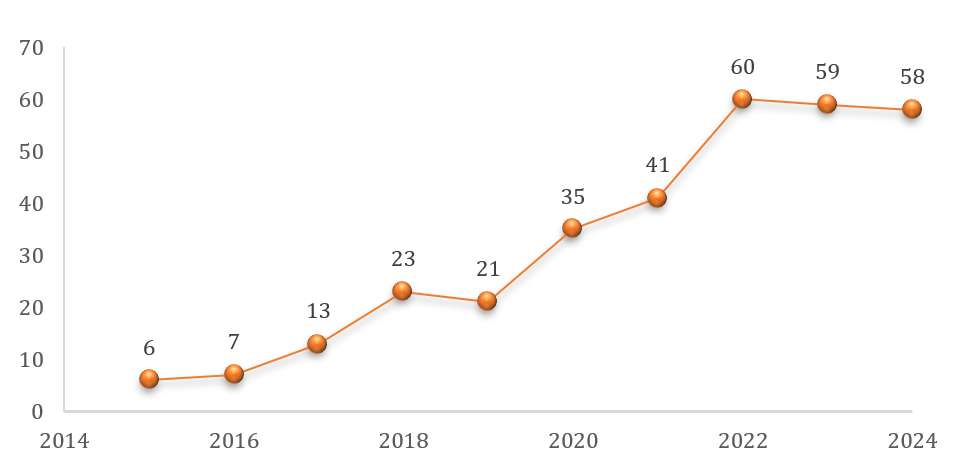
Figure 1. Publication by year (2015-2024)
The field of VR-based telerehabilitation has shown dynamic research development over the past decade. In 2015, research in this field was just beginning to take shape, with only 6 publications. The following year (2016) saw a slight increase to 7 publications, followed by a significant surge in 2017 to 21 publications—an increase of over 200%, indicating a sudden rise in research interest. The period from 2018 to 2023 represented a phase of stable and consistent growth, with the number of publications increasing from 23 (2018) to 60 (2023). Annual growth ranged from 1.7% to 52.2%, with the greatest acceleration occurring between 2019 and 2021. The peak of research productivity was reached in 2023 with 60 publications, indicating the maturity of this research field.
However, 2024 saw a drastic 78.3% decline, with only 13 publications. This sharp decline requires further investigation [27-30], with several possible causes, including research saturation in the field of VR for telerehabilitation, a shift in focus toward new technologies, such as augmented reality or the metaverse, changes in research funding priorities, or delays in indexing the latest publication data [31-34]. This development pattern provides important insights into the dynamics of research in digital health, particularly the application of immersive technology for remote rehabilitation. These findings also raise new questions about the factors influencing the lifecycle of a research field in health technology.
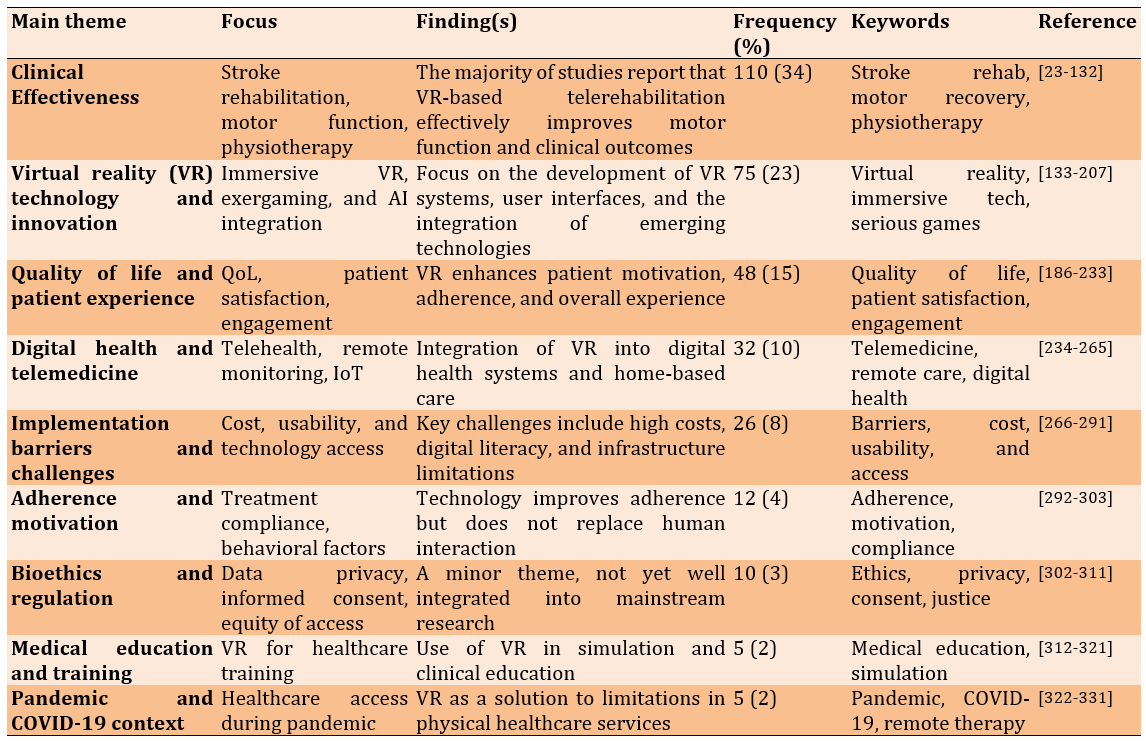
The analysis of 323 articles showed a clear imbalance in VR-based telerehabilitation research, with strong dominance of clinical effectiveness (34%) and technological innovation (23%). While evidence confirms that VR improves motor function and rehabilitation outcomes, the focus remained largely technocentric and outcome-driven, with limited attention to real-world implementation and patient context. Emerging themes, such as quality of life (15%) and digital health integration (10%) indicated a gradual shift toward patient-centered and remote care models, yet these remained secondary and fragmented.
A critical gap was evident in implementation barriers (8%), highlighting disparities between evidence and practice due to cost, infrastructure, and digital literacy limitations. Most notably, bioethical considerations (3%) were significantly underrepresented, revealing an ethical blind spot in the literature (Table 1).
Table 1. Categorization of research focus (n=323)
Among the top 10 countries with the most research on telerehabilitation and VR, the United States contributed 23.5% (64 publications), making it the leading contributor to VR -based telerehabilitation research. Italy followed with 20.2% (55 publications), indicating that these two countries collectively account for nearly 44% of global publications. Contributions from other countries varied significantly, with Canada and China each contributing 28 (10.3%) and 27 (9.9%), respectively. The United Kingdom contributed 9.2% (25 publications).
Interestingly, contributions from non-Western countries were also beginning to emerge, such as Brazil (19 publications), Spain (18), and Australia (16), each contributing around 6-7%. Although smaller, their presence indicated promising market potential and technological development in the Global South [158-161]. On the other hand, countries like Poland and France contributed 11 and 9 publications, respectively, accounting for less than 4% of the total (Figure 2).
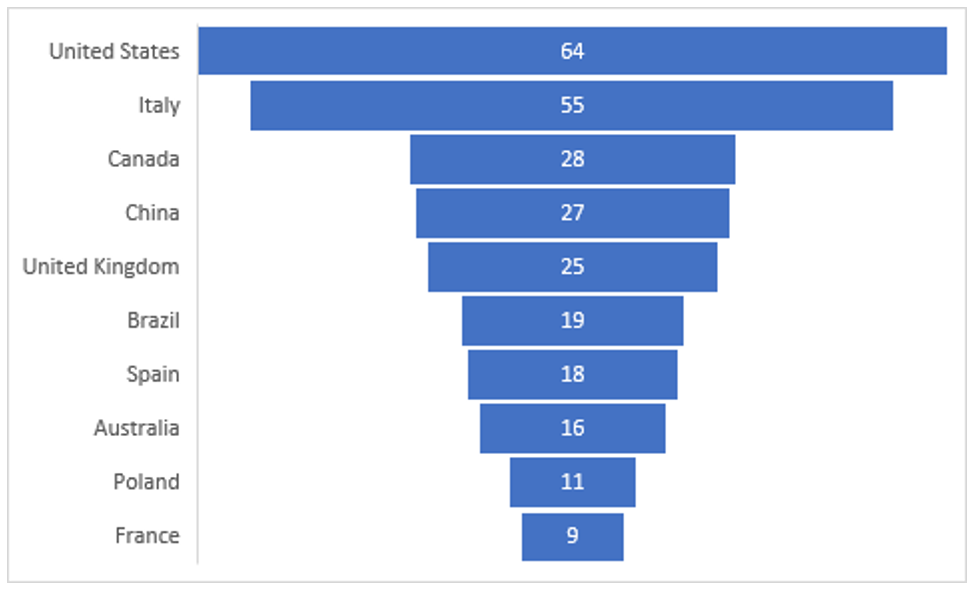
Figure 2. Publication by country from 2015 to 2024
Using the VOSviewer tool, keyword co-occurrence patterns were visualized from the literature on VR-based telerehabilitation published between 2015 and 2024. In the resulting network map, colors indicate interrelated thematic clusters that reflect the main research foci in this field. Keywords with larger label sizes appear more frequently in the analyzed publications, highlighting the most prominent terms in the literature.
The red cluster focused on patient aspects, quality of life, technology, and pandemic conditions, including terms such as “patient satisfaction”, “quality of life”, “digital health”, and “pandemic”. This reflects how VR in telerehabilitation responds to patients’ personal needs, especially during the COVID-19 pandemic. The dominance of this color also indicated that service personalization and patient perception were the focus of current literature. Meanwhile, the green cluster grouped keywords, such as “stroke”, “upper limb”, “clinical article”, “procedures”, and “recovery of function”, highlighting a major focus on post-stroke recovery, particularly functional rehabilitation of the upper limbs.
The blue and purple clusters indicated a more clinical and physiological approach, with the emergence of words such as “daily life activity”, “therapy effect”, “Parkinson’s disease”, “motor performance”, and “neurorehabilitation”. The blue color on the outer part indicated that this theme was studied earlier (around 2014-2017). The yellow cluster represented a new direction that has gained popularity in recent years, with terms like “video games”, “pilot project”, and “user interface”. This indicated a shift toward using interactive, game-based VR technology to enhance patient participation and to support the development of prototypes and feasibility studies.
Interestingly, a few keywords, such as “AI”, “convalescence”, and “technology”, were strategically positioned to connect several clusters, indicating that interdisciplinarity—including the integration of artificial intelligence and digital innovation—is beginning to play an important role in this literature (Figure 3) [228-232].
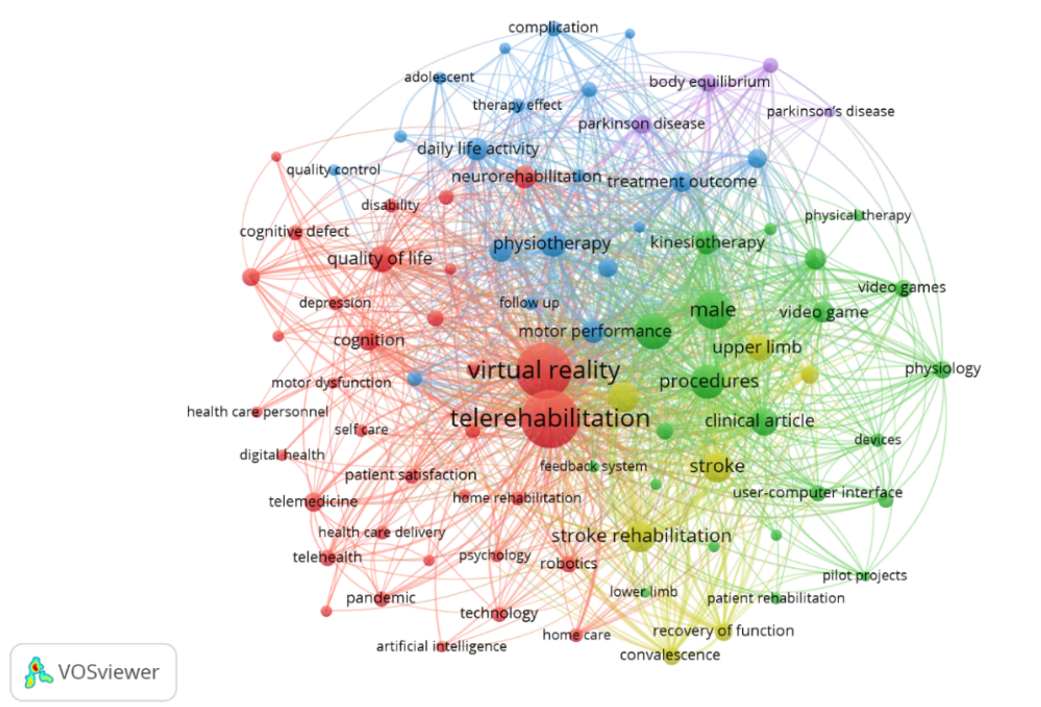
Figure 3. Telerehabilitation and virtual reality research trends (2015-2024)
Based on the keyword visualization, topics such as “VR procedures physiology”, “neurorehabilitation treatment outcome”, and “stroke rehabilitation” appeared as the densest (marked in dark yellow). Meanwhile, keywords, such as “quality of life”, “patient satisfaction”, and “self-care”, which are also quite prominent, highlighted the importance of the principles of beneficence and non-maleficence in ensuring that telerehabilitation interventions genuinely improve patient well-being without causing psychological or physical harm. On the other hand, keywords, such as “digital health”, “telehealth”, and “home rehabilitation”, which are less prominent (light yellow), opened up new research opportunities in bioethical reviews, particularly regarding patient data privacy, digital system security, and the challenges of implementing technology in home environments that may be less supervised (Figure 4) [233-363].
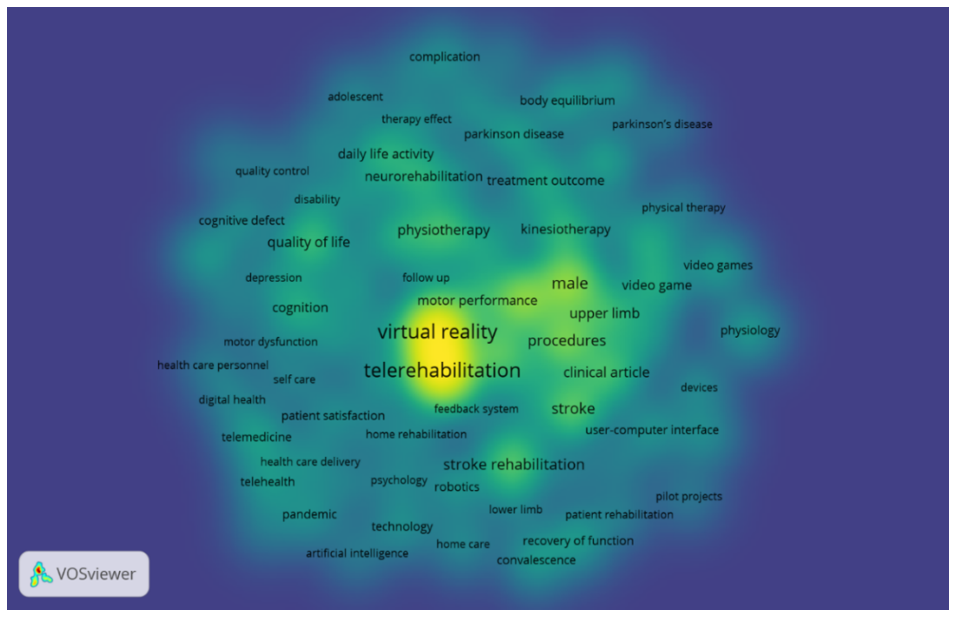
Figure 4. Conceptual map of bibliometric analysis, indicating focus and research opportunities in virtual reality-based telerehabilitation
Discussion
This study analyzed the development of VR-based telerehabilitation over the past decade through a bibliometric approach based on 323 studies. The integration of VR into telerehabilitation practices has brought about a significant revolution in digital health over the past decade [345]. Based on a bibliometric analysis of 323 scientific publications from 2015 to 2024, research in this field remains heavily dominated by studies on clinical effectiveness and technical implementation [346]. Terms, such as “neuro-rehabilitation outcomes”, “therapeutic effectiveness”, and “cost efficiency” emerged as the most prominent keywords, while bioethical concepts, such as “informed consent”, “data privacy”, and “equitable access” were scarcely discussed. This reflects a serious imbalance between technological advancements and ethical considerations in the development of VR-based telerehabilitation [347]. This study can fill a gap in the literature by comprehensively examining the ethical aspects of VR-based telerehabilitation, from patient rights to healthcare providers' responsibilities in the digital age [237-240].
Keyword network mapping using VOSviewer revealed a rather concerning pattern. The dense and interconnected research clusters were almost entirely focused on technical and clinical aspects, such as “upper extremity rehabilitation,” “motor performance,” and “post-stroke recovery.” Meanwhile, ethical issues emerged as isolated nodes that were not well integrated into the main research network. As highlighted by Gopal et al. [1] in their discussion of bioethical principles, the four main pillars of medical ethics (autonomy, justice, beneficence, and non-maleficence) should serve as the foundation for developing health technology [348]. An analysis of the most frequently cited studies further reinforced this finding. For example, Dobkin's [136] study, the most influential with 234 citations, although it successfully demonstrated the equivalence of VR effectiveness to conventional therapy, completely overlooked patients’ understanding of the technology used [349]. However, according to the theory of informed consent developed by Lindberg et al., a comprehensive understanding of the risks and benefits of a medical intervention is an absolute requirement for patient autonomy [350]. A similar phenomenon is observed in the study by Pot-Kolder et al., which focuses on cost savings but overlooks the psychological impact of long-term VR use [351]. This is in line with the sharp criticism by Rubeis et al. in their book “Deep Medicine” of the tendency toward “solutionism” in digital health, where technical solutions are often considered the answer to all problems, without regard for the ethical complexities that accompany them [352]. For example, VR systems that use machine learning algorithms to automatically customize therapies could contain hidden biases against certain patient groups, as cautioned by Gianfrancesco et al. in their study on algorithmic bias in health prediction tools [353].
The geographical distribution of research output showed a pronounced dominance by developed countries, with the United States and Italy alone accounting for 44% of all publications. This reflects greater inequality in actual access to VR-based telerehabilitation technologies [343, 344]. Around 74% of rehabilitation facilities in low- and middle-income countries lack access to basic VR devices, let alone advanced systems used in key studies [356, 357]. This problem is exacerbated by supporting infrastructure factors. As Bhuiyan revealed in their systematic review, even “low-cost” VR solutions still require stable internet connectivity and adequate supporting devices—requirements that are often difficult to meet in rural or remote areas [358]. This creates what Shaban calls a “second-order digital divide,” where inequality exists not only in access to technology but also in the ability to utilize it optimally [359]. The cultural aspect is also a serious challenge that is often overlooked. Most VR systems are designed with the cultural assumptions and digital literacy of Western society in mind, as seen in the interface design of existing Rehabilitation Internet of Things (RIoT) systems [360]. As reminded by Moor [285] in the cultural dimension theory, the effectiveness of a health intervention is strongly influenced by its compatibility with local cultural values [361]. Brazil’s experience with the Telehealth SUS program, as shown by Naderbagi et al., indicates that cultural adaptation to digital health technologies can significantly improve patient acceptance and adherence [362].
Recent trends in VR telerehabilitation research, as seen from the emergence of the keyword clusters “patient satisfaction” and “video games”, point to efforts to make therapy more engaging and interactive. However, this approach risks reducing the supposedly holistic rehabilitation process to mere fragmented “technical solutions” [363]. According to Lewkowicz et al., the importance of the human connection between patient and therapist in chronic back pain rehabilitation underscores that technology should not replace essential therapeutic interactions altogether [364]. Regarding VR telerehabilitation, as Manseau notes, there is a significant risk of dehumanizing healthcare when digital interfaces completely replace human interaction [365]. As shown by Drossman & Ruddy, the quality of communication between healthcare providers and patients contributes significantly to clinical outcomes [366].
Accordingly, we offer several strategic recommendations to address the gap between technological innovation and ethical considerations [367]. First, it is necessary to develop an “ethics-by-design” framework in the development of VR systems for telerehabilitation. This concept, adapted from the privacy-by-design principle by Spindler et al., emphasizes the need to integrate ethical considerations from the early stages of technology design [368]. For example, VR systems should include specialized modules that ensure patient understanding before obtaining consent, using adaptive methods based on the user’s digital literacy level [369]. Second, a more inclusive financing model is needed to address the global gap. Cross-subsidization and differential pricing schemes based on the country’s economic capabilities can be a solution [370]. India’s experience in developing a low-cost telemedicine system can serve as a reference for developing more affordable VR [371]. Third, it is important to develop a hybrid model that blends technological advantages with a humanistic touch; the optimal ratio might be 70% VR sessions and 30% face-to-face interaction (in person or via teleconference) to maintain the therapeutic relationship [372, 373].
The development of VR-based telerehabilitation in the past decade has been dominated by technical and clinical studies. At the same time, ethical aspects, such as patient consent, fairness of access, and data privacy protection, have not received adequate attention. This imbalance is evident in the dominance of research by developed countries, reflecting a global gap in the use of cutting-edge rehabilitation technologies. The main findings point to three critical challenges, including the dominance of technocratic approaches that ignore ethical dimensions, the digital divide between developed and developing countries, and the risk of reducing humanism in rehabilitation practices. Overcoming these challenges requires an integrated approach that combines technological excellence with in-depth ethical considerations.
Conclusion
VR-based telerehabilitation advances mainly through technical and clinical research, while ethical issues, such as patient consent, equitable access, and data privacy, remain insufficiently addressed.
Acknowledgments: The authors sincerely appreciate all the help they received in developing and revising this work.
Ethical Permissions: This section is not applicable, as the researcher used anonymized secondary data that was publicly available. There was no direct interaction with research participants, thus negating the need for additional ethical clearance.
Conflicts of Interest: The authors declared no conflicts of interest.
Authors' Contribution: Lestari RD (First Author), Introduction Writer/Methodologist/Main Researcher/Discussion Writer/Statistical Analyst (50%); Lazuardi L (Second Author), Methodologist/Assistant Researcher/Discussion Writer (25%); Darwito D (Third Author), Methodologist/Assistant Researcher/Discussion Writer (25%)
Funding/Support: This research received no external funding.
Advances in information and communication technology have brought about significant transformations in various sectors, including healthcare [1]. One of the most notable innovations in the last decade is the use of virtual reality (VR) technology in telerehabilitation services [2]. Telerehabilitation, as part of telemedicine, provides rehabilitation services that patients can access remotely, addressing the limitations of conventional healthcare, particularly in remote areas or for those with mobility constraints [3]. With the advent of VR, telerehabilitation approaches have become more interactive, immersive, and adaptive to the complex needs of patients, especially those with neurological disorders such as stroke, hemiplegia, fatigue, and upper limb disorders [4]. VR enables the simulation of therapeutic environments that resemble real-world conditions [5]. The combination of VR and telerehabilitation has been proven to enhance patient engagement in the therapeutic process, accelerate recovery, and reduce the burden on hospitals and rehabilitation clinics [6]. However, amid the excitement surrounding these advancements, important questions have emerged regarding the ethical dimensions of applying technology in clinical practice, which have not received sufficient attention in the scientific literature [7].
Bioethical issues are highly relevant, as health technology addresses not only technical and clinical aspects but also patient rights, equitable access, data privacy, and the quality of therapeutic relationships [8]. In the context of VR-based telerehabilitation, several ethical challenges require serious consideration [9]. First, how can we ensure that all patients, regardless of their socioeconomic or geographic background, have equitable access to this technology? Second, how can we guarantee that health data collected through VR devices is secure and used ethically? Third, do patients truly understand and consent to this technology-based therapy (informed consent), given its technical complexity?
Additionally, the use of VR in telerehabilitation raises questions about patient dependence on technology, the potential loss of humanistic aspects in the patient-therapist relationship, and the validity and reliability of therapy outcomes when care is not conducted face-to-face [10]. In many cases, technology design is developed with greater emphasis on functional and market aspects, while ethical dimensions are marginalized [11]. This reflects a gap in the literature, where studies on ethics, although important, have not yet become mainstream in VR-based telerehabilitation research [12].
Most articles from the last decade discussing telerehabilitation and VR focused on clinical, technical, and therapeutic effectiveness aspects [13]. Publications that explicitly address ethical issues remain very limited in both quantity and depth of discussion. However, to ensure that technological innovations in the health sector develop responsibly and sustainably, bioethical issues must be integral to scientific discourse and professional practice [14, 15]. In response to this situation, this article aimed to conduct a bibliometric analysis of scientific literature discussing VR-based telerehabilitation over the past ten years. The bibliometric method was chosen because it provides a quantitative overview of trends, collaboration patterns, and dominant keywords in academic literature [16]. This approach can indicate the extent to which bioethical issues have received attention in academic discourse on this topic can be identified [17]. This analysis will not only reveal the dynamics of research from geographical, institutional, and thematic perspectives but also provide a critical reflection on the role of ethical issues within the landscape of VR-based telerehabilitation research [18-22]. Thus, we did not merely present a research map but also offered conceptual and normative contributions regarding the importance of integrating ethical perspectives into the development and implementation of health technology.
The main objectives of this study were to identify trends in publications related to telerehabilitation and VR over the past decade, reveal the relevance of bioethics themes in the analyzed literature corpus, and encourage further discussion on the need for an interdisciplinary approach that combines technology, health, and ethics in the development of telerehabilitation services. The study is intended to serve as an initial reference for researchers, policymakers, technology developers, and healthcare practitioners to become more sensitive to the ethical implications of the innovations they develop or use. Overall, this study emphasized that technological innovations in healthcare cannot be separated from ethical considerations. Good technology is not only technically advanced or clinically effective but also fair, transparent, and respectful of human dignity. By incorporating bioethics into bibliometric analysis, this study sought to bridge the gap between technological sophistication and moral integrity in modern healthcare practice.
Information and Methods
This systematic review used a bibliometric approach to map the development of the scientific literature on “telerehabilitation” and “virtual reality” over the period 2015-2024. Data were sourced from the Scopus database using the (TITLE-ABS-KEY (telerehabilitation) AND TITLE-ABS-KEY (“virtual reality”)) AND PUBYEAR>2015 AND PUBYEAR<2024 AND (LIMIT-TO (SUBJAREA, “MEDI”) OR LIMIT-TO (SUBJAREA, “HEAL”) OR LIMIT-TO (SUBJAREA, “SOCI”)) AND (LIMIT-TO (DOCTYPE, “ar”) OR LIMIT-TO (DOCTYPE, “re”)) AND (LIMIT-TO (PUBSTAGE, “final”)) AND (LIMIT-TO (SRCTYPE, “j”)) AND (LIMIT-TO (LANGUAGE, “English”)) search syntax, resulting in 387 initial documents.
The documents were then filtered based on publication type, language, topic relevance, and subject area. From the initial 387 documents, filtering was conducted based on relevance to the research topic. This process included reviewing titles and abstracts to ensure relevance to telerehabilitation and VR use, followed by excluding articles that only marginally mentioned either term without a health rehabilitation context. The articles then focused on three main areas aligned with the needs of interdisciplinary analysis: medicine (MEDI), health professions (HEAL), and social sciences (SOCI), thereby broadening the scope to encompass clinical, health-professional, and social/ethical perspectives.
From an initial 503 records identified in databases, 87 were removed as duplicates, 20 were marked ineligible by automated tools, and 9 were removed for other reasons. After screening 387 records, 20 were excluded, and 10 reports were sought for retrieval. Of these, 8 reports were not retrieved. Subsequently, 349 reports were assessed for eligibility, resulting in the exclusion of 14 reports for not being in English, 7 for being off-topic, and 5 for lacking an abstract. This rigorous selection process ultimately resulted in 323 new studies being included in the review and used as the basis for bibliometric analysis.
All documents were exported in CSV format, including metadata such as author names, affiliations, keywords, abstracts, citation counts, and the journals in which they were published, followed by analysis using VOSviewer to visualize collaboration networks and map keywords. The analysis was conducted in two main stages: descriptive analysis to identify annual trends and geographic distribution, and visual analysis using VOSviewer to map keyword co-occurrence relationships and identify thematic clusters. Additionally, to explore the bioethics dimension specifically, a manual search was conducted for terms such as “ethics,” “bioethics,” “consent,” “privacy,” and “justice” that appeared in keywords or abstracts. To capture the representation of ethical values in VR-based telerehabilitation literature, while acknowledging that bibliometric methods have limitations in measuring the depth of ethical substance in each article, a qualitative exploration was conducted of documents that explicitly mentioned ethical or normative dimensions. Additionally, the use of the keywords “telerehabilitation” and “virtual reality” in TITLE-ABS-KEY excluded articles that used synonyms or more technical terms. However, this decision was made to maintain the specificity and focus of the search [23-26].
Findings
This systematic review analyzed the literature on the use of VR in telerehabilitation through a bibliometric approach. As an initial step, the distribution of scientific publications per year from 2014 to 2025 was obtained, providing an overview of the dynamics of research productivity and the critical phases in the adoption of VR technology for remote rehabilitation (Figure 1).
Figure 1. Publication by year (2015-2024)
The field of VR-based telerehabilitation has shown dynamic research development over the past decade. In 2015, research in this field was just beginning to take shape, with only 6 publications. The following year (2016) saw a slight increase to 7 publications, followed by a significant surge in 2017 to 21 publications—an increase of over 200%, indicating a sudden rise in research interest. The period from 2018 to 2023 represented a phase of stable and consistent growth, with the number of publications increasing from 23 (2018) to 60 (2023). Annual growth ranged from 1.7% to 52.2%, with the greatest acceleration occurring between 2019 and 2021. The peak of research productivity was reached in 2023 with 60 publications, indicating the maturity of this research field.
However, 2024 saw a drastic 78.3% decline, with only 13 publications. This sharp decline requires further investigation [27-30], with several possible causes, including research saturation in the field of VR for telerehabilitation, a shift in focus toward new technologies, such as augmented reality or the metaverse, changes in research funding priorities, or delays in indexing the latest publication data [31-34]. This development pattern provides important insights into the dynamics of research in digital health, particularly the application of immersive technology for remote rehabilitation. These findings also raise new questions about the factors influencing the lifecycle of a research field in health technology.
The analysis of 323 articles showed a clear imbalance in VR-based telerehabilitation research, with strong dominance of clinical effectiveness (34%) and technological innovation (23%). While evidence confirms that VR improves motor function and rehabilitation outcomes, the focus remained largely technocentric and outcome-driven, with limited attention to real-world implementation and patient context. Emerging themes, such as quality of life (15%) and digital health integration (10%) indicated a gradual shift toward patient-centered and remote care models, yet these remained secondary and fragmented.
A critical gap was evident in implementation barriers (8%), highlighting disparities between evidence and practice due to cost, infrastructure, and digital literacy limitations. Most notably, bioethical considerations (3%) were significantly underrepresented, revealing an ethical blind spot in the literature (Table 1).
Table 1. Categorization of research focus (n=323)
Among the top 10 countries with the most research on telerehabilitation and VR, the United States contributed 23.5% (64 publications), making it the leading contributor to VR -based telerehabilitation research. Italy followed with 20.2% (55 publications), indicating that these two countries collectively account for nearly 44% of global publications. Contributions from other countries varied significantly, with Canada and China each contributing 28 (10.3%) and 27 (9.9%), respectively. The United Kingdom contributed 9.2% (25 publications).
Interestingly, contributions from non-Western countries were also beginning to emerge, such as Brazil (19 publications), Spain (18), and Australia (16), each contributing around 6-7%. Although smaller, their presence indicated promising market potential and technological development in the Global South [158-161]. On the other hand, countries like Poland and France contributed 11 and 9 publications, respectively, accounting for less than 4% of the total (Figure 2).
Figure 2. Publication by country from 2015 to 2024
Using the VOSviewer tool, keyword co-occurrence patterns were visualized from the literature on VR-based telerehabilitation published between 2015 and 2024. In the resulting network map, colors indicate interrelated thematic clusters that reflect the main research foci in this field. Keywords with larger label sizes appear more frequently in the analyzed publications, highlighting the most prominent terms in the literature.
The red cluster focused on patient aspects, quality of life, technology, and pandemic conditions, including terms such as “patient satisfaction”, “quality of life”, “digital health”, and “pandemic”. This reflects how VR in telerehabilitation responds to patients’ personal needs, especially during the COVID-19 pandemic. The dominance of this color also indicated that service personalization and patient perception were the focus of current literature. Meanwhile, the green cluster grouped keywords, such as “stroke”, “upper limb”, “clinical article”, “procedures”, and “recovery of function”, highlighting a major focus on post-stroke recovery, particularly functional rehabilitation of the upper limbs.
The blue and purple clusters indicated a more clinical and physiological approach, with the emergence of words such as “daily life activity”, “therapy effect”, “Parkinson’s disease”, “motor performance”, and “neurorehabilitation”. The blue color on the outer part indicated that this theme was studied earlier (around 2014-2017). The yellow cluster represented a new direction that has gained popularity in recent years, with terms like “video games”, “pilot project”, and “user interface”. This indicated a shift toward using interactive, game-based VR technology to enhance patient participation and to support the development of prototypes and feasibility studies.
Interestingly, a few keywords, such as “AI”, “convalescence”, and “technology”, were strategically positioned to connect several clusters, indicating that interdisciplinarity—including the integration of artificial intelligence and digital innovation—is beginning to play an important role in this literature (Figure 3) [228-232].
Figure 3. Telerehabilitation and virtual reality research trends (2015-2024)
Based on the keyword visualization, topics such as “VR procedures physiology”, “neurorehabilitation treatment outcome”, and “stroke rehabilitation” appeared as the densest (marked in dark yellow). Meanwhile, keywords, such as “quality of life”, “patient satisfaction”, and “self-care”, which are also quite prominent, highlighted the importance of the principles of beneficence and non-maleficence in ensuring that telerehabilitation interventions genuinely improve patient well-being without causing psychological or physical harm. On the other hand, keywords, such as “digital health”, “telehealth”, and “home rehabilitation”, which are less prominent (light yellow), opened up new research opportunities in bioethical reviews, particularly regarding patient data privacy, digital system security, and the challenges of implementing technology in home environments that may be less supervised (Figure 4) [233-363].
Figure 4. Conceptual map of bibliometric analysis, indicating focus and research opportunities in virtual reality-based telerehabilitation
Discussion
This study analyzed the development of VR-based telerehabilitation over the past decade through a bibliometric approach based on 323 studies. The integration of VR into telerehabilitation practices has brought about a significant revolution in digital health over the past decade [345]. Based on a bibliometric analysis of 323 scientific publications from 2015 to 2024, research in this field remains heavily dominated by studies on clinical effectiveness and technical implementation [346]. Terms, such as “neuro-rehabilitation outcomes”, “therapeutic effectiveness”, and “cost efficiency” emerged as the most prominent keywords, while bioethical concepts, such as “informed consent”, “data privacy”, and “equitable access” were scarcely discussed. This reflects a serious imbalance between technological advancements and ethical considerations in the development of VR-based telerehabilitation [347]. This study can fill a gap in the literature by comprehensively examining the ethical aspects of VR-based telerehabilitation, from patient rights to healthcare providers' responsibilities in the digital age [237-240].
Keyword network mapping using VOSviewer revealed a rather concerning pattern. The dense and interconnected research clusters were almost entirely focused on technical and clinical aspects, such as “upper extremity rehabilitation,” “motor performance,” and “post-stroke recovery.” Meanwhile, ethical issues emerged as isolated nodes that were not well integrated into the main research network. As highlighted by Gopal et al. [1] in their discussion of bioethical principles, the four main pillars of medical ethics (autonomy, justice, beneficence, and non-maleficence) should serve as the foundation for developing health technology [348]. An analysis of the most frequently cited studies further reinforced this finding. For example, Dobkin's [136] study, the most influential with 234 citations, although it successfully demonstrated the equivalence of VR effectiveness to conventional therapy, completely overlooked patients’ understanding of the technology used [349]. However, according to the theory of informed consent developed by Lindberg et al., a comprehensive understanding of the risks and benefits of a medical intervention is an absolute requirement for patient autonomy [350]. A similar phenomenon is observed in the study by Pot-Kolder et al., which focuses on cost savings but overlooks the psychological impact of long-term VR use [351]. This is in line with the sharp criticism by Rubeis et al. in their book “Deep Medicine” of the tendency toward “solutionism” in digital health, where technical solutions are often considered the answer to all problems, without regard for the ethical complexities that accompany them [352]. For example, VR systems that use machine learning algorithms to automatically customize therapies could contain hidden biases against certain patient groups, as cautioned by Gianfrancesco et al. in their study on algorithmic bias in health prediction tools [353].
The geographical distribution of research output showed a pronounced dominance by developed countries, with the United States and Italy alone accounting for 44% of all publications. This reflects greater inequality in actual access to VR-based telerehabilitation technologies [343, 344]. Around 74% of rehabilitation facilities in low- and middle-income countries lack access to basic VR devices, let alone advanced systems used in key studies [356, 357]. This problem is exacerbated by supporting infrastructure factors. As Bhuiyan revealed in their systematic review, even “low-cost” VR solutions still require stable internet connectivity and adequate supporting devices—requirements that are often difficult to meet in rural or remote areas [358]. This creates what Shaban calls a “second-order digital divide,” where inequality exists not only in access to technology but also in the ability to utilize it optimally [359]. The cultural aspect is also a serious challenge that is often overlooked. Most VR systems are designed with the cultural assumptions and digital literacy of Western society in mind, as seen in the interface design of existing Rehabilitation Internet of Things (RIoT) systems [360]. As reminded by Moor [285] in the cultural dimension theory, the effectiveness of a health intervention is strongly influenced by its compatibility with local cultural values [361]. Brazil’s experience with the Telehealth SUS program, as shown by Naderbagi et al., indicates that cultural adaptation to digital health technologies can significantly improve patient acceptance and adherence [362].
Recent trends in VR telerehabilitation research, as seen from the emergence of the keyword clusters “patient satisfaction” and “video games”, point to efforts to make therapy more engaging and interactive. However, this approach risks reducing the supposedly holistic rehabilitation process to mere fragmented “technical solutions” [363]. According to Lewkowicz et al., the importance of the human connection between patient and therapist in chronic back pain rehabilitation underscores that technology should not replace essential therapeutic interactions altogether [364]. Regarding VR telerehabilitation, as Manseau notes, there is a significant risk of dehumanizing healthcare when digital interfaces completely replace human interaction [365]. As shown by Drossman & Ruddy, the quality of communication between healthcare providers and patients contributes significantly to clinical outcomes [366].
Accordingly, we offer several strategic recommendations to address the gap between technological innovation and ethical considerations [367]. First, it is necessary to develop an “ethics-by-design” framework in the development of VR systems for telerehabilitation. This concept, adapted from the privacy-by-design principle by Spindler et al., emphasizes the need to integrate ethical considerations from the early stages of technology design [368]. For example, VR systems should include specialized modules that ensure patient understanding before obtaining consent, using adaptive methods based on the user’s digital literacy level [369]. Second, a more inclusive financing model is needed to address the global gap. Cross-subsidization and differential pricing schemes based on the country’s economic capabilities can be a solution [370]. India’s experience in developing a low-cost telemedicine system can serve as a reference for developing more affordable VR [371]. Third, it is important to develop a hybrid model that blends technological advantages with a humanistic touch; the optimal ratio might be 70% VR sessions and 30% face-to-face interaction (in person or via teleconference) to maintain the therapeutic relationship [372, 373].
The development of VR-based telerehabilitation in the past decade has been dominated by technical and clinical studies. At the same time, ethical aspects, such as patient consent, fairness of access, and data privacy protection, have not received adequate attention. This imbalance is evident in the dominance of research by developed countries, reflecting a global gap in the use of cutting-edge rehabilitation technologies. The main findings point to three critical challenges, including the dominance of technocratic approaches that ignore ethical dimensions, the digital divide between developed and developing countries, and the risk of reducing humanism in rehabilitation practices. Overcoming these challenges requires an integrated approach that combines technological excellence with in-depth ethical considerations.
Conclusion
VR-based telerehabilitation advances mainly through technical and clinical research, while ethical issues, such as patient consent, equitable access, and data privacy, remain insufficiently addressed.
Acknowledgments: The authors sincerely appreciate all the help they received in developing and revising this work.
Ethical Permissions: This section is not applicable, as the researcher used anonymized secondary data that was publicly available. There was no direct interaction with research participants, thus negating the need for additional ethical clearance.
Conflicts of Interest: The authors declared no conflicts of interest.
Authors' Contribution: Lestari RD (First Author), Introduction Writer/Methodologist/Main Researcher/Discussion Writer/Statistical Analyst (50%); Lazuardi L (Second Author), Methodologist/Assistant Researcher/Discussion Writer (25%); Darwito D (Third Author), Methodologist/Assistant Researcher/Discussion Writer (25%)
Funding/Support: This research received no external funding.
Keywords:
References
1. Gopal G, Suter-Crazzolara C, Toldo L, Eberhardt W. Digital transformation in healthcare-architectures of present and future information technologies. Clin Chem Lab Med. 2019;57(3):328-35. [Link] [DOI:10.1515/cclm-2018-0658]
2. Reddy KJ. Technological innovations in rehabilitation: Virtual reality. In: Innovations in neurocognitive rehabilitation: Harnessing technology for effective therapy. Cham: Springer; 2025. p. 53-72. [Link] [DOI:10.1007/978-3-031-88117-6_4]
3. Bairapareddy KC, Alaparthi GK, Jitendra RS, Prathiksha, Rao PP, Shetty V, et al. "We are so close; Yet too far": Perceived barriers to smartphone-based telerehabilitation among healthcare providers and patients with Chronic Obstructive Pulmonary Disease in India. Heliyon. 2021;7(8):e07857. [Link] [DOI:10.1016/j.heliyon.2021.e07857]
4. Del Lucchese B, Parravicini S, Filogna S, Mangani G, Beani E, Di Lieto MC, et al. The wide world of technological telerehabilitation for pediatric neurologic and neurodevelopmental disorders-a systematic review. Front Public Health. 2024;12(1):1295273. [Link] [DOI:10.3389/fpubh.2024.1295273]
5. Rubio-Tamayo JL, Gertrudix Barrio M, García García F. Immersive environments and virtual reality: Systematic review and advances in communication, interaction and simulation. Multimodal Technol Interact. 2017;1(4):21. [Link] [DOI:10.3390/mti1040021]
6. Aderinto N, Olatunji G, Abdulbasit MO, Edun M, Aboderin G, Egbunu E. Exploring the efficacy of virtual reality-based rehabilitation in stroke: A narrative review of current evidence. Ann Med. 2023;55(2):2285907. [Link] [DOI:10.1080/07853890.2023.2285907]
7. Cordeiro JV. Digital technologies and data science as health enablers: An outline of appealing promises and compelling ethical, legal, and social challenges. Front Med. 2021;8:647897. [Link] [DOI:10.3389/fmed.2021.647897]
8. Saghya Infant S, AS V. Emerging biomedical technologies: Clinical implications and ethical considerations in modern healthcare. Benha Med J. 2025;42(10):52-70. [Link] [DOI:10.21608/bmfj.2025.399809.2512]
9. Rodrigues P, Quaresma C, Costa M, Luz F, Fonseca MM. Virtual reality-based telerehabilitation for upper limb recovery post-stroke: A systematic review of design principles, monitoring, safety, and engagement strategies. arXiv:250106899 [Preprint]. 2025 [cited 2025 August 21]. Available from: https://arxiv.org/abs/2501.06899 [Link]
10. Ardern K. Differential response during humanistic experiential psychological therapy for depression [dissertation]. Sheffield: University of Sheffield; 2023. [Link]
11. Sin J, Franz LR, Munteanu C, Barbosa Neves B. Digital design marginalization: New perspectives on designing inclusive interfaces. Proceedings of the 2021 CHI Conference on Human Factors in Computing Systems. Yokohama: CHI; 2021. p. 1-11. [Link] [DOI:10.1145/3411764.3445180]
12. Veras M, Kairy D, Rogante M, Giacomozzi C, Saraiva S. Scoping review of outcome measures used in telerehabilitation and virtual reality for post-stroke rehabilitation. J Telemed Telecare. 2017;23(6):567-87. [Link] [DOI:10.1177/1357633X16656235]
13. Peretti A, Amenta F, Tayebati SK, Nittari G, Mahdi SS. Telerehabilitation: Review of the state-of-the-art and areas of application. JMIR Rehabil Assist Technol. 2017;4(2):e7511. [Link] [DOI:10.2196/rehab.7511]
14. Salardi S. What is the role of institutional bioethics in addressing new technological challenges?. The case of the ecological and carbon footprint of the healthcare sector. Proceedings of the EACME Conference 2025 Book of Abstracts. Zurich: EACME; 2025. p. 8-9. [Link]
15. Guo QF, He L, Su W, Tan HX, Han LY, Gui CF, et al. Virtual reality for neurorehabilitation: A bibliometric analysis of knowledge structure and theme trends. Front Public Health. 2022;10:1042618. [Link] [DOI:10.3389/fpubh.2022.1042618]
16. Kumar R. Bibliometric analysis: Comprehensive insights into tools, techniques, applications, and solutions for research excellence. Spectr Eng Manag Sci. 2025;3(1):45-62. [Link] [DOI:10.31181/sems31202535k]
17. Ellerich-Groppe N, Zimmermann BM. Bioethics at the intersection of politics, society, and healthcare: The significance of media debate analyses. BMC Med Ethics. 2025;26(1):85. [Link] [DOI:10.1186/s12910-025-01233-1]
18. Keshner EA, Weiss PT, Geifman D, Raban D. Tracking the evolution of virtual reality applications to rehabilitation as a field of study. J Neuroeng Rehabil. 2019;16(1):76. [Link] [DOI:10.1186/s12984-019-0552-6]
19. Bloemen B, Oortwijn W, Van Der Wilt GJ. Understanding the normativity of health technology assessment: Ontological, moral, and epistemological commitments. Health Care Anal. 2024;1(1):1-17. [Link] [DOI:10.1007/s10728-024-00487-x]
20. Stahl BC, Timmermans J, Flick C. Ethics of emerging information and communication technologies: On the implementation of responsible research and innovation. Sci Public Policy. 2017;44(3):369-81. [Link]
21. Bashiir AA. Ethical considerations in emerging technologies: Balancing innovation and morality. Landscape. 2025;7(1):8. [Link] [DOI:10.59298/RIJEP/2025/415055]
22. Carbone P. Rethinking tech, reclaiming ourselves: Human dignity and human rights in technological age. Pólemos. 2025;19(1):79-97. [Link] [DOI:10.1515/pol-2025-2007]
23. Fussell SG, Truong D. Using virtual reality for dynamic learning: An extended technology acceptance model. Virtual Real. 2022;26(1):249-67. [Link] [DOI:10.1007/s10055-021-00554-x]
24. Bettger JP, Green CL, Holmes DN, Chokshi A, Mather III RC, Hoch BT, et al. Effects of virtual exercise rehabilitation in-home therapy compared with traditional care after total knee arthroplasty: VERITAS, a randomized controlled trial. JBJS. 2020;102(2):101-9. [Link] [DOI:10.2106/JBJS.19.00695]
25. Asakawa T, Sugiyama K, Nozaki T, Sameshima T, Kobayashi S, Wang L, et al. Can the latest computerized technologies revolutionize conventional assessment tools and therapies for a neurological disease? The example of parkinson's disease. NEUROLOGIA MEDICO-CHIRURGICA. 2019;59(3):69-78. [Link] [DOI:10.2176/nmc.ra.2018-0045]
26. Zak M, Sikorski T, Krupnik S, Wasik M, Grzanka K, Courteix D, et al. Physiotherapy programmes aided by VR solutions applied to the seniors affected by functional capacity impairment: Randomised controlled trial. Int J Environ Res Public Health. 2022;19(10). [Link] [DOI:10.3390/ijerph19106018]
27. Rawat R, Mahor V, Chirgaiya S, Rathore AS. Applications of social network analysis to managing the investigation of suspicious activities in social media platforms. In: Advances in cybersecurity management. Cham: Springer; 2021. p. 315-35. [Link] [DOI:10.1007/978-3-030-71381-2_15]
28. Saheb T, Saheb T. Topical review of artificial intelligence national policies: A mixed method analysis. Technol Soc. 2023;74:102316. [Link] [DOI:10.1016/j.techsoc.2023.102316]
29. Alawadh HM, Alabrah A, Meraj T, Rauf HT. Semantic features-based discourse analysis using deceptive and real text reviews. Information. 2023;14(1):34. [Link] [DOI:10.3390/info14010034]
30. Zeng L, Li RYM. Construction safety and health hazard awareness in Web of Science and Weibo between 1991 and 2021. Saf Sci. 2022;152:105790. [Link] [DOI:10.1016/j.ssci.2022.105790]
31. Basch CH, Yalamanchili B, Fera J. Climate change on TikTok: A content analysis of videos. J Community Health. 2022;47(1):163-7. [Link] [DOI:10.1007/s10900-021-01031-x]
32. Garugu S, Saxena K, Zare KB, Kumar M, Mukherjee B, Shenoy A V, et al. Artificial intelligence in bioanalytical chemistry: A review of algorithms, applications, and future prospects. J Appl Bioanal. 2025;11(4):661-77. [Link] [DOI:10.53555/jab.v11i4.410]
33. Brantner C, Karlsson M, Kuai J. Sourcing behavior and the role of news media in AI-powered search engines in the digital media ecosystem: Comparing political news retrieval across five languages. Telecommun Policy. 2025;49(5):102952. [Link] [DOI:10.1016/j.telpol.2025.102952]
34. Zhang W, Barchers C, Smith-Colin J. Transit communication via Twitter during the COVID-19 pandemic. Environ Plan B Urban Anal City Sci. 2023;50(5):1244-61. [Link] [DOI:10.1177/23998083221135609]
35. Donthu N, Kumar S, Mukherjee D, Pandey N, Lim WM. How to conduct a bibliometric analysis: An overview and guidelines. J Bus Res. 2021;133:285-96. [Link] [DOI:10.1016/j.jbusres.2021.04.070]
36. Yen C, Chiang MC. Trust me, if you can: A study on the factors that influence consumers' purchase intention triggered by chatbots based on brain image evidence and self-reported assessments. Behav Inf Technol. 2021;40(11):1177-94. [Link] [DOI:10.1080/0144929X.2020.1743362]
37. Low MP, Wut TM, Pok WF. Artificial intelligence facilitators in higher education institutions: A student-centric exploration with comparative analysis in Asian countries. Educ Inf Technol. 2025;30(13):18485-511. [Link] [DOI:10.1007/s10639-025-13513-9]
38. Aria M, Cuccurullo C. Bibliometrix: An R-tool for comprehensive science mapping analysis. J Informetr. 2017;11(4):959-75. [Link] [DOI:10.1016/j.joi.2017.08.007]
39. Valdés BA, Glegg SMN, Lambert-Shirzad N, Schneider AN, Marr J, Bernard R, et al. Application of commercial games for home-based rehabilitation for people with hemiparesis: Challenges and lessons learned. Games Health J. 2018;7(3):197-207. [Link] [DOI:10.1089/g4h.2017.0137]
40. Veras M, Labbe DR, Furlano J, Zakus D, Rutherford D, Pendergast B, et al. A framework for equitable virtual rehabilitation in the metaverse era: Challenges and opportunities. Front Rehabil Sci. 2023;4. [Link] [DOI:10.3389/fresc.2023.1241020]
41. Burdea GC, Grampurohit N, Kim N, Polistico K, Kadaru A, Pollack S, et al. Feasibility of integrative games and novel therapeutic game controller for telerehabilitation of individuals chronic post-stroke living in the community. Top Stroke Rehabil. 2020;27(5):321-36. [Link] [DOI:10.1080/10749357.2019.1701178]
42. Sousa JJ, Lin J, Wang Q, Liu G, Fan J, Bai S, et al. Using machine learning and satellite data from multiple sources to analyze mining, water management, and preservation of cultural heritage. Geo-Spat Inf Sci. 2024;27(3):552-71. [Link] [DOI:10.1080/10095020.2023.2234008]
43. Barnett R, Sengupta R. The future of axial spondyloarthritis rehabilitation: Lessons learned from COVID-19. Arthritis Care Res. 2022;74(1):44-9. [Link] [DOI:10.1002/acr.24780]
44. Gandolfi M, Dimitrova E, Nicolli F, Modenese A, Serina A, Waldner A, et al. Rehabilitation procedures in the management of gait disorders in the elderly. MINERVA MEDICA. 2015;106(5):287-307. [Link]
45. Khalifa M, Nageab WM, Elsayed S. The impact geo AI of on improving the speed and quality of government performance. Proceedings of the 2024 ASU International Conference in Emerging Technologies for Sustainability and Intelligent Systems. Manama: ICETSIS; 2024. p. 235-9. [Link] [DOI:10.1109/ICETSIS61505.2024.10459421]
46. He D, Cao S, Le Y, Wang M, Chen Y, Qian B. Virtual reality technology in cognitive rehabilitation application: Bibliometric analysis. JMIR Serious Games. 2022;10(4):e38315. [Link] [DOI:10.2196/38315]
47. Martinez JE, Guimarães I. "Fibromyalgia-are there any new approaches?". Best Pract Res Clin Rheumatol. 2024;38(1):101933. [Link] [DOI:10.1016/j.berh.2024.101933]
48. Ceradini M, Losanno E, Micera S, Bandini A, Orlandi S. Immersive VR for upper-extremity rehabilitation in patients with neurological disorders: A scoping review. J Neuroeng Rehabil. 2024;21(1). [Link] [DOI:10.1186/s12984-024-01367-0]
49. Emmanouilidis S, Hackney ME, Slade SC, Heng H, Jazayeri D, Morris ME. Dance is an accessible physical activity for people with Parkinson's disease. Parkinson's Dis. 2021;2021. [Link] [DOI:10.1155/2021/7516504]
50. Saeidnia HR, Firuzpour F, Kozak M, Soleymani Majd HS. Advancing cancer diagnosis and treatment: Integrating image analysis and AI algorithms for enhanced clinical practice. Artif Intell Rev. 2025;58(4). [Link] [DOI:10.1007/s10462-025-11117-w]
51. Kashif M, Albalwi A, Mehdi Kazmi SA, Alharbi AA, Bashir K, Aqeel Aslam M, et al. Role of telerehabilitation in the rehabilitation of children with cerebral palsy during COVID-19: A review. Medicine. 2024;103(9):E37214. [Link] [DOI:10.1097/MD.0000000000037214]
52. Eryadini N. Strengthening character education in fostering a wise attitude using social media. J Divers Learn. 2021;1(4):136-42. [Link]
53. Baniasadi T, Ayyoubzadeh SM, Mohammadzadeh N. Challenges and practical considerations in applying virtual reality in medical education and treatment. Oman Med J. 2020;35(3):e125. [Link] [DOI:10.5001/omj.2020.43]
54. Kong Q, Wang J, Huang X, He J, Chang J. Comparative efficacy of cognitive training for post-stroke aphasia: A systematic review and network meta-analysis. Neurorehabil Neural Repair. 2024;38(11-12):863-76. [Link] [DOI:10.1177/15459683241274755]
55. Brandão AF, Colombo Dias DRC, Castellano G, Parizotto NA, Trevelin LC. RehabGesture: An alternative tool for measuring human movement. Telemed eHealth. 2016;22(7):584-9. [Link] [DOI:10.1089/tmj.2015.0139]
56. Joseph N, Kar AK, Ilavarasan PV. How do network attributes impact information virality in social networks?. Inf Discov Deliv. 2021;49(2):162-73. [Link] [DOI:10.1108/IDD-08-2020-0094]
57. Weng Q, Ren J, Mattson T, Deng X, Joshi KD. Rewriting the margins: Can artificial intelligence agents reshape the power dynamics in social media?. Data Base Adv Inf Syst. 2025;56(3):7-12. [Link] [DOI:10.1145/3757308.3757310]
58. Potcovaru CG, Salmen T, Bîgu D, Sandulescu MI, Filip P V, Diaconu LS, et al. Assessing the effectiveness of rehabilitation interventions through the World Health Organization disability assessment schedule 2.0 on disability-a systematic review. JClin Med. 2024;13(5). [Link] [DOI:10.3390/jcm13051252]
59. Al Sulaimani S, Starkey A. Real-time event detection using self-evolving contextual analysis (SECA) approach. IEEE Access. 2023;11:127011-34. [Link] [DOI:10.1109/ACCESS.2023.3331219]
60. Simsekler MCE, Qazi A, Ozonoff A. Exploring the role of safety culture dimensions in patient safety using a Bayesian Belief Network model. Saf Sci. 2025;186:106817. [Link] [DOI:10.1016/j.ssci.2025.106817]
61. Jamwal PK, Hussain S, Mir-Nasiri N, Ghayesh MH, Xie SQ. Tele-rehabilitation using in-house wearable ankle rehabilitation robot. Assist Technol. 2018;30(1):24-33. [Link] [DOI:10.1080/10400435.2016.1230153]
62. Jolliffe L, Christie LJ, Fearn N, Nohrenberg M, Liu R, Williams JF, et al. A systematic review of discrete choice experiments in stroke rehabilitation. Top Stroke Rehabil. 2024;31(6):632-43. [Link] [DOI:10.1080/10749357.2024.2312641]
63. Wahab SA, Ishak S, Zaidi ZH, Sharkawi S. Exploring the pros and cons of ChatGPT from the perspectives of postgraduate students: A pilot qualitative study at a graduate business school in a public university. Malays J Qual Res. 2024;10(2):229-40. [Link] [DOI:10.61211/mjqr100207]
64. Maltby A, Underhill A, Woodbridge S. The use of telephone and video consultations in upper limb musculoskeletal rehabilitation: A scoping review. Hand Ther. 2023;28(3):89-102. [Link] [DOI:10.1177/17589983231191867]
65. Ostrowska PM, Śliwiński M, Studnicki R, Hansdorfer-Korzon R. Telerehabilitation of post-stroke patients as a therapeutic solution in the era of the Covid-19 pandemic. Healthcare. 2021;9(6). [Link] [DOI:10.3390/healthcare9060654]
66. Chen Y, Abel KT, Janecek JT, Chen Y, Zheng K, Cramer SC. Home-based technologies for stroke rehabilitation: A systematic review. Int J Med Inform. 2019;123(1):11-22. [Link] [DOI:10.1016/j.ijmedinf.2018.12.001]
67. Barak-Ventura RB, Hughes KS, Nov O, Raghavan P, Ruiz Marín MR, Porfiri M. Data-driven classification of human movements in virtual reality-based serious games: Preclinical rehabilitation study in citizen science. JMIR Serious Games. 2022;10(1). [Link] [DOI:10.2196/27597]
68. Kanschik D, Bruno RR, Wolff G, Kelm M, Jung C. Virtual and augmented reality in intensive care medicine: A systematic review. Ann Intensive Care. 2023;13(1). [Link] [DOI:10.1186/s13613-023-01176-z]
69. Moreira MS, Da Silva DDT, Pimenta TC. The influence of artificial intelligence in society. Proceedings of the International Conference on Microelectronics. Abu Dhabi: ICM; 2023. p. 214-7. [Link] [DOI:10.1109/ICM60448.2023.10378900]
70. Heidenreich T, Eisele O, Watanabe K, Boomgaarden HG. Exploring engagement with EU News on Facebook: The influence of content characteristics. Polit Gov. 2022;10(1):121-32. [Link] [DOI:10.17645/pag.v10i1.4775]
71. Maier M, Rubio Ballester B, Duff A, Duarte-Oller E, Verschure PFMJ. Effect of specific over nonspecific VR-based rehabilitation on poststroke motor recovery: A systematic meta-analysis. Neurorehabil Neural Repair. 2019;33(2):112-29. [Link] [DOI:10.1177/1545968318820169]
72. Seetha A, Chouhan SS, Pilli ES, Raychoudhury V. DiEvD: Disruptive event detection from dynamic datastreams using continual machine learning: A case study with Twitter. IEEE. 2024;12(3):727-38. [Link] [DOI:10.1109/TETC.2023.3272973]
73. Tang Q, Yang X, Sun M, He M, Sa R, Zhang K, et al. Research trends and hotspots of post-stroke upper limb dysfunction: A bibliometric and visualization analysis. Front Neurol. 2024;15. [Link] [DOI:10.3389/fneur.2024.1449729]
74. Gómez-Busto FJ, Ortiz MI. Virtual reality and psychedelics for the treatment of psychiatric disease: A systematic literature review. Clin Neuropsychiatry. 2020;17(6):365-80. [Link]
75. Bashshur RL, Doarn CR, Frenk JM, Kvedar JC, Shannon GW, Woolliscroft JO. Beyond the COVID pandemic, telemedicine, and health care. Telemed eHealth. 2020;26(11):1310-3. [Link] [DOI:10.1089/tmj.2020.0328]
76. Engelbrecht J, Borba MC. Recent developments in using digital technology in mathematics education. ZDM Int J Math Educ. 2024;56(2):281-92. [Link] [DOI:10.1007/s11858-023-01530-2]
77. Sevcenko K, Lindgren I. The effects of virtual reality training in stroke and Parkinson's disease rehabilitation: A systematic review and a perspective on usability. Eur Rev Aging Phys Act. 2022;19(1). [Link] [DOI:10.1186/s11556-022-00283-3]
78. Krook J, Winter P, Downer J, Blockx J. A systematic literature review of artificial intelligence (AI) transparency laws in the European :union: (EU) and United Kingdom (UK): A socio-legal approach to AI transparency governance. AI Ethics. 2025;5(2):1-22. [Link] [DOI:10.1007/s43681-025-00674-z]
79. Ronconi G, Codazza S, Ariani M, Cagnina FL, Scrima R, Coraci D, et al. An update of the literature about rehabilitation tools used in the treatment of COVID-19-related disabilities: A systematic review of literature. PANMINERVA MEDICA. 2024;66(3):309-16. [Link] [DOI:10.23736/S0031-0808.24.05098-5]
80. Macchitella L, Amendola S, Barraco G, Scoditti S, Gallo I, Oliva MC, et al. A narrative review of the use of a cutting-edge virtual reality rehabilitation technology in neurological and neuropsychological rehabilitation. Neurorehabil. 2023;53(4):439-57. [Link] [DOI:10.3233/NRE-230066]
81. Hopkins DJ. The increasingly United States: How and why American political behavior nationalized. Chicago: University of Chicago Press; 2022. [Link]
82. Malviya B, Othman B, Saxena K, Almashaqbeh HA. An empirical analysis in measuring the impact of artificial intelligence for better marketing communication to the end-users effectively in the digital era. Proceedings of the 2nd International Conference on Advance Computing and Innovative Technologies in Engineering. New Delhi: ICACITE; 2022. p. 2374-8. [Link] [DOI:10.1109/ICACITE53722.2022.9823891]
83. Tang H, Sun S, Nie K, Li A, Sergeeva A, LC R. Breaking the news: Taking the roles of influencer vs. journalist in a LLM-based game for raising misinformation awareness. Proc ACM Hum Comput Interact. 2025;9(6):131-71. [Link] [DOI:10.1145/3748600]
84. Baeza-Barragán MR, Manzanares MTL, Amaya-Álvarez MC, Vega FM, Ruiz JR, Martín-Valero R. Effectiveness of a 5-week virtual reality telerehabilitation program for children with duchenne and becker muscular dystrophy: Prospective quasi-experimental study. JMIR Serious Games. 2023;11(1). [Link] [DOI:10.2196/48022]
85. Kwak Y, Seo YH, Ahn JW. Nursing students' intent to use AI-based healthcare technology: Path analysis using the unified theory of acceptance and use of technology. Nurse Educ Today. 2022;119:105541. [Link] [DOI:10.1016/j.nedt.2022.105541]
86. Allegue DR, Higgins J, Sweet SN, Archambault PS, Michaud F, Miller WC, et al. Rehabilitation of upper extremity by telerehabilitation combined with exergames in survivors of chronic stroke: Preliminary findings from a feasibility clinical trial. JMIR Rehabil Assisti Technol. 2022;9(2). [Link] [DOI:10.2196/33745]
87. Triandafilou KM, Tsoupikova D, Barry AJ, Thielbar KO, Stoykov N, Kamper DG. Development of a 3D, networked multi-user virtual reality environment for home therapy after stroke. J Neuroeng Rehabil. 2018;15(1). [Link] [DOI:10.1186/s12984-018-0429-0]
88. Mulyani S, Basrowi N. Utilizing artificial intelligence and social media: Transforming public administration decision making and redefining the social responsibility landscape. Int J Data Netw Sci. 2024;8(3):1587-98. [Link] [DOI:10.5267/j.ijdns.2024.3.008]
89. Cetinkaya B, Twomey K, Bullard B, El Kouaissi S, Conroy P. Telerehabilitation of aphasia: A systematic review of the literature. Aphasiology. 2024;38(7):1271-302. [Link] [DOI:10.1080/02687038.2023.2274621]
90. Palazzo C, Klinger E, Dorner V, Kadri A, Thierry O, Boumenir Y, et al. Barriers to home-based exercise program adherence with chronic low back pain: Patient expectations regarding new technologies. Ann Phys Rehabil Med. 2016;59(2):107-13. [Link] [DOI:10.1016/j.rehab.2016.01.009]
91. Kaufman EM. Reprogramming consent: Implications of sexual relationships with artificially intelligent partners. Psychol Sex. 2020;372-83. [Link] [DOI:10.1080/19419899.2020.1769160]
92. León-Muñoz VJ, Moya-Angeler J, López-López M, Lisón-Almagro AJ, Martínez-Martínez F, Santonja-Medina F. Integration of square fiducial markers in patient-specific instrumentation and their applicability in knee surgery. J Personal Med. 2023;13(5). [Link] [DOI:10.3390/jpm13050727]
93. Leelarungrayub J, Chantaraj P, Thipcharoen S, Jintana J. Updated research trend and clustering algorithm on virtual reality and pulmonary rehabilitation: Scopus-based bibliometric and visual analysis. J Assoc Med Sci. 2024;57(2):173-82. [Link] [DOI:10.12982/JAMS.2024.040]
94. Du J, Ye X, Huang X, Qiang Y, Zhu C. Unveiling multifaceted resilience: A heterogeneous graph neural network approach for analyzing locale recovery patterns. Environ Plan B Urban Anal City Sci. 2025;52(5):1197-214. [Link] [DOI:10.1177/23998083241288689]
95. Cramer SC, Dodakian L, Le V, See J, Augsburger R, McKenzie A, et al. Efficacy of home-based telerehabilitation vs in-clinic therapy for adults after stroke: A randomized clinical trial. JAMA Neurol. 2019;76(9):1079-87. [Link] [DOI:10.1001/jamaneurol.2019.1604]
96. Çi̇çek Gümüş E, Dolu I. Qualitative evaluation of a ChatGPT-integrated transcultural nursing course for a diverse group. Nurse Educ Pract. 2025;87. [Link] [DOI:10.1016/j.nepr.2025.104491]
97. Li L, Sun Y. Research hotspots and trends of the tele-rehabilitation for stroke survivors based on CiteSpace: A review. Medicine. 2023;102(13):E33398. [Link] [DOI:10.1097/MD.0000000000033398]
98. Güler M, Büyüközkan G. A survey of digital government: Science mapping approach, application areas, and future directions. Systems. 2023;11(12):563. [Link] [DOI:10.3390/systems11120563]
99. Zak M, Sikorski T, Wasik M, Courteix D, Dutheil F, Brola W. Frailty syndrome-fall risk and rehabilitation management aided by virtual reality (VR) technology solutions: A narrative review of the current literature. Int J Environ Res Public Health. 2022;19(5). [Link] [DOI:10.3390/ijerph19052985]
100. Varela-Aldas J, Buele J, Ramos Lorente PR, García-Magariño I, Palacios-Navarro G. A virtual reality-based cognitive telerehabilitation system for use in the Covid-19 pandemic. Sustainability. 2021;13(4):1-24. [Link] [DOI:10.3390/su13042183]
101. Kirkpatrick S, Davey Z, Wright PR, Henshall C. Supportive eHealth technologies and their effects on physical functioning and quality of life for people with lung cancer: Systematic review. J Med Internet Res. 2024;26. [Link] [DOI:10.2196/53015]
102. Walch M, Neubauer M, Schildorfer W, Schirrer A. Modelling interrelations between C-ITS impact categories: A system-dynamics approach using causal loop diagrams. Eur Transp Res Rev. 2024;16(1):60. [Link] [DOI:10.1186/s12544-024-00680-y]
103. Vermeer S, Trilling D, Kruikemeier S, De Vreese C. Online news user journeys: The role of social media, news websites, and topics. Digit Journal. 2020;8(9):1114-41. [Link] [DOI:10.1080/21670811.2020.1767509]
104. Kulkarni R. Use of telehealth in the delivery of comprehensive care for patients with haemophilia and other inherited bleeding disorders. Haemophilia. 2018;24(1):33-42. [Link] [DOI:10.1111/hae.13364]
105. Weber H, Barr C, Gough C, Van Den Berg M. How commercially available virtual reality-based interventions are delivered and reported in gait, posture, and balance rehabilitation: A systematic review. Phys Ther. 2020;100(10):1805-15. [Link] [DOI:10.1093/ptj/pzaa123]
106. Elareshi M, Al-Shami A, Ziani A, Chaudhary S, Youssef N. Predicting the level of social media use among journalists: Machine learning analysis. Front Commun. 2024;9. [Link] [DOI:10.3389/fcomm.2024.1369961]
107. Alhwoaimel NA, Alenazi AM, Alhowimel AS, Alqahtani BA, Alshehri MM. Effects of trunk exercises using virtual reality technology on trunk performance and impairment post stroke: A systematic review and meta-analysis. Top Stroke Rehabil. 2024;31(4):399-408. [Link] [DOI:10.1080/10749357.2023.2261701]
108. Aulia NAN, Fawaid F, Suhayat ASA. The Dynamics of Legal Politics in The Formation of The New Criminal Code: Between Public Interests and State Power. CAUSA: JURNAL HUKUM DAN KEWARGANEGARAAN. 2025;13(9):141-50. [Indonesian] [Link]
109. Mantovani E, Zucchella C, Bottiroli S, Federico A, Giugno R, Sandrini G, et al. Telemedicine and virtual reality for cognitive rehabilitation: A roadmap for the COVID-19 pandemic. Front Neurol. 2020;11:926. [Link] [DOI:10.3389/fneur.2020.00926]
110. Desai PS. News sentiment informed time-series analyzing AI (SITALA) to curb the spread of COVID-19 in Houston. Expert Syst Appl. 2021;180:115104. [Link] [DOI:10.1016/j.eswa.2021.115104]
111. Roemmich K, Andalibi N. Data subjects' conceptualizations of and attitudes toward automatic emotion recognition-enabled wellbeing interventions on social media. Proceedings of the ACM on Human-Computer Interaction. New York: CSCW2; 2021. [Link] [DOI:10.1145/3476049]
112. Goffredo M, Baglio F, De Icco R, Proietti S, Maggioni G, Turolla A, et al. Efficacy of non-immersive virtual reality-based telerehabilitation on postural stability in Parkinson's disease: A multicenter randomized controlled trial. Eur J Phys Rehabil Med. 2023;59(6):689-96. [Link] [DOI:10.23736/S1973-9087.23.07954-6]
113. Nikolaev VA, Safonicheva OG, Nikolaev AA. Telerehabilitation of post-stroke patients with motor function disorders: A review. Adv Gerontol. 2022;12(3):339-46. [Link] [DOI:10.1134/S2079057022030109]
114. Gupta V, Jung K, Yoo SC. Exploring the power of multimodal features for predicting the popularity of social media image in a tourist destination. Multimodal Technol Interact. 2020;4(3):64. [Link] [DOI:10.3390/mti4030064]
115. Chi OH, Gursoy D, Chi CG. Tourists' attitudes toward the use of artificially intelligent (AI) devices in tourism service delivery: Moderating role of service value seeking. J Travel Res. 2022;61(1):170-85. [Link] [DOI:10.1177/0047287520971054]
116. Robb N, Boyle B, Politis Y, Newbutt N, Kuo HJ, Sung C. Participatory technology design for autism and cognitive disabilities: A narrative overview of issues and techniques. In: Intelligent systems reference library. Cham: Springer; 2021. p. 469-85. [Link] [DOI:10.1007/978-3-030-59608-8_25]
117. Shah NV, Gold R, Dar QA, Diebo BG, Paulino CB, Naziri Q. Smart technology and orthopaedic surgery: Current concepts regarding the impact of smartphones and wearable technology on our patients and practice. Curr Rev Musculoskelet Med. 2021;14(6):378-91. [Link] [DOI:10.1007/s12178-021-09723-6]
118. Matero M, Giorgi S, Curtis B, Ungar LH, Schwartz HA. Opioid death projections with AI-based forecasts using social media language. NPJ Digit Med. 2023;6(1). [Link] [DOI:10.1038/s41746-023-00776-0]
119. Bailon H, Boersma K, Orellana-Rodriguez C, Van Den Homberg M. Framing of disaster impact in online news media: A case study from Malawi on flood risk management. Front Commun. 2025;10. [Link] [DOI:10.3389/fcomm.2025.1519357]
120. Schröder J, Van Criekinge T, Embrechts E, Celis X, Van Schuppen J, Truijen S, et al. Combining the benefits of tele-rehabilitation and virtual reality-based balance training: A systematic review on feasibility and effectiveness. Disabil Rehabil Assist Technol. 2019;14(1):2-11. [Link] [DOI:10.1080/17483107.2018.1503738]
121. Capecci M, Gandolfi M, Straudi S, Calabrò RS, Baldini N, Pepa L, et al. Advancing public health through technological rehabilitation: Insights from a national clinician survey. BMC Health Serv Res. 2024;24(1). [Link] [DOI:10.1186/s12913-024-11991-0]
122. Naqvi WM, Naqvi IW, Mishra G V, Vardhan VD. The future of telerehabilitation: Embracing virtual reality and augmented reality innovations. Pan Afr Med J. 2024;47(1):38974699. [Link] [DOI:10.11604/pamj.2024.47.157.42956]
123. Comunello F, Mulargia S. User-generated video gaming: Little big planet and participatory cultures in Italy. Games Cult. 2015;10(1):57-80. [Link] [DOI:10.1177/1555412014557028]
124. Feeney MK, Welch EW. Technology-task coupling: Exploring social media use and managerial perceptions of e-government. Am Rev Public Adm. 2016;46(2):162-79. [Link] [DOI:10.1177/0275074014547413]
125. Botrugno C. Information technologies in healthcare: Enhancing or dehumanising doctor-patient interaction?. Health. 2021;25(4):475-93. [Link] [DOI:10.1177/1363459319891213]
126. Najam Shaikh S, Sohu JM, Shaikh S, Zahra Kherazi F, Soomro S. Artificial intelligence adoption, green HRM, and employee behavior: Driving environmental sustainability in SMEs with organizational culture as a moderator. SAGE Open. 2025;15(4). [Link] [DOI:10.1177/21582440251392673]
127. Thielbar KO, Triandafilou KM, Barry AJ, Yuan N, Nishimoto A, Johnson J, et al. Home-based upper extremity stroke therapy using a multiuser virtual reality environment: A randomized trial. Arch Phys Med Rehabil. 2020;101(2):196-203. [Link] [DOI:10.1016/j.apmr.2019.10.182]
128. Meng Q, Zhang J, Yang X. Virtual rehabilitation training system based on surface EMG feature extraction and analysis. J Med Syst. 2019;43(3). [Link] [DOI:10.1007/s10916-019-1166-z]
129. Wu Y. Leveraging artificial intelligence for predicting music popularity using social media. Prof Inf. 2024;33(5). [Link] [DOI:10.3145/epi.2024.ene.0522]
130. Lloréns R, Noé E, Colomer C, Alcañiz M. Effectiveness, usability, and cost-benefit of a virtual reality-based telerehabilitation program for balance recovery after stroke: A randomized controlled trial. Arch Phys Med Rehabil. 2015;96(3):418-25. [Link] [DOI:10.1016/j.apmr.2014.10.019]
131. Aminov A, Rogers JM, Middleton S, Caeyenberghs K, Wilson PH. What do randomized controlled trials say about virtual rehabilitation in stroke? A systematic literature review and meta-analysis of upper-limb and cognitive outcomes. J Neuroeng Rehabil. 2018;15(1):29. [Link] [DOI:10.1186/s12984-018-0370-2]
132. Schwamm LH, Chumbler N, Brown E, Fonarow GC, Berube D, Nystrom K, et al. Recommendations for the implementation of telehealth in cardiovascular and stroke care: A policy statement from the American Heart Association. Circulation. 2017;135(7):e24-44. [Link] [DOI:10.1161/CIR.0000000000000475]
133. Sarfo FS, Ulasavets U, Opare-Sem OK, Ovbiagele B. Tele-rehabilitation after stroke: An updated systematic review of the literature. J Stroke Cerebrovasc Dis. 2018;27(9):2306-18. [Link] [DOI:10.1016/j.jstrokecerebrovasdis.2018.05.013]
134. Moyle L, Childs A, Coomber R, Barratt MJ. #Drugsforsale: An exploration of the use of social media and encrypted messaging apps to supply and access drugs. Int J Drug Policy. 2019;63:101-10. [Link] [DOI:10.1016/j.drugpo.2018.08.005]
135. Kim WS, Cho S, Ku J, Kim Y, Lee K, Hwang HJ, et al. Clinical application of virtual reality for upper limb motor rehabilitation in stroke: Review of technologies and clinical evidence. J Clin Med. 2020;9(10):3369. [Link] [DOI:10.3390/jcm9103369]
136. Dobkin BH. A rehabilitation-internet-of-things in the home to augment motor skills and exercise training. Neurorehabil Neural Repair. 2017;31(3):217-27. [Link] [DOI:10.1177/1545968316680490]
137. Hao J, Pu Y, Chen Z, Siu KC. Effects of virtual reality-based telerehabilitation for stroke patients: A systematic review and meta-analysis of randomized controlled trials. J Stroke Cerebrovasc Dis. 2023;32(3). [Link] [DOI:10.1016/j.jstrokecerebrovasdis.2022.106960]
138. Malik AN, Masood T. Effects of virtual reality training on mobility and physical function in stroke. J Pak Med Assoc. 2017;67(10):1618-20. [Link]
139. Zambrano-Gutiérrez JC. The dynamics of sources of knowledge on the nature of innovation in the public sector: Understanding incremental and transformative innovations in local governments. J Public Adm Res Theory. 2022;32:656-70. [Link] [DOI:10.1093/jopart/muab053]
140. Flannery T, Brady-Sawant H, Tarrant R, Davison J, Shardha J, Halpin S, et al. A mixed-methods evaluation of a virtual rehabilitation program for self-management in post-COVID-19 syndrome (long COVID). Int J Environ Res Public Health. 2022;19(19). [Link] [DOI:10.3390/ijerph191912680]
141. Demirci S, Yardibi F. Clinical neurology research output from Türkiye: A bibliometric analysis. NOROPSIKIYATRI ARSIVI. 2024;61(4):313-23. [Link]
142. Lear SA. The delivery of cardiac rehabilitation using communications technologies: The "virtual" cardiac rehabilitation program. Can J Cardiol. 2018;34(10):S278-83. [Link] [DOI:10.1016/j.cjca.2018.07.009]
143. Adam M, Gameraddin M, Alelyani M, Alshahrani MY, Gareeballah A, Ahmad I, et al. Evaluation of post-vaccination symptoms of two common COVID-19 vaccines used in Abha, Aseer region, Kingdom of Saudi Arabia. Patient Prefer Adherence. 2021;15:1963-70. [Link] [DOI:10.2147/PPA.S330689]
144. Maggio MG, Luca A, Cicero CE, Calabrò RS, Drago F, Zappia M, et al. Effectiveness of telerehabilitation plus virtual reality (Tele-RV) in cognitive e social functioning: A randomized clinical study on Parkinson's disease. Parkinsonism Relat Disord. 2024;119:105970. [Link] [DOI:10.1016/j.parkreldis.2023.105970]
145. Cui J, Yeh SC, Lee SH. Wearable sensors integrated with virtual reality: A self-guided healthcare system measuring shoulder joint mobility for frozen shoulder. J Healthc Eng. 2019;2019. [Link] [DOI:10.1155/2019/7681237]
146. Edmonds S, Macgregor A, Doll A, Vural IE, Graham J, Fierlbeck K, et al. Transparency too little, too late? Why and how Health Canada should make clinical data and regulatory decision-making open to scrutiny in the face of COVID-19. J Law Biosci. 2020;7(1). [Link] [DOI:10.1093/jlb/lsaa083]
147. Howard MC. A meta-analysis and systematic literature review of virtual reality rehabilitation programs. Comput Human Behav. 2017;70:317-27. [Link] [DOI:10.1016/j.chb.2017.01.013]
148. Mangal NK, Tiwari AK. A review of the evolution of scientific literature on technology-assisted approaches using RGB-D sensors for musculoskeletal health monitoring. Comput Biol Med. 2021;132:104316. [Link] [DOI:10.1016/j.compbiomed.2021.104316]
149. Telaumbanua PH, Dawolo J, Gea NE, Nazara RV, Larosa YM. The Influence of Service Quality Dimensions on Consumer Satisfaction and Its Impact on Customer Loyalty at Hypermart, Pejaten Village. Innov J Soc Sci Res. 2024;4(2):4882-96. [Indonesian] [Link]
150. Böyük M. Techno-polarization on the east-west axis in AI-based algorithmic communication. Insight Turk. 2025;27(2):365-88. [Link] [DOI:10.25253/99.2025272.19]
151. Fluet G, Qiu Q, Patel J, Cronce A, Merians A, Adamovich S. Autonomous use of the home virtual rehabilitation system: A feasibility and pilot study. Games Health J. 2019;8(6):432-8. [Link] [DOI:10.1089/g4h.2019.0012]
152. Chen J, Jin W, Zhang XX, Xu W, Liu XN, Ren CC. Telerehabilitation approaches for stroke patients: Systematic review and meta-analysis of randomized controlled trials. J Stroke Cerebrovasc Dis. 2015;24(12):2660-8. [Link] [DOI:10.1016/j.jstrokecerebrovasdis.2015.09.014]
153. Băcănoiu MV, Dǎnoiu M. New strategies to improve the quality of life for normal aging versus pathological aging. J Clin Med. 2022;11(14):4207. [Link] [DOI:10.3390/jcm11144207]
154. Ermolayeva A, Birukou A, Matyushenko S, Kochetkov D. Statistical model and method for analyzing AI conference rankings: China vs USA. Heliyon. 2023;9(11):e21592. [Link] [DOI:10.1016/j.heliyon.2023.e21592]
155. Hernandez A, Bubyr L, Archambault PS, Higgins J, Levin MF, Kairy D. Virtual reality-based rehabilitation as a feasible and engaging tool for the management of chronic poststroke upper-extremity function recovery: Randomized controlled trial. JMIR Serious Games. 2022;10(3). [Link] [DOI:10.2196/37506]
156. Bosch-Barceló P, Masbernat-Almenara M, Martinez-Navarro O, Tersa-Miralles C, Pakarinen A, Fernández-Lago H. A gamified virtual environment intervention for gait rehabilitation in Parkinson's Disease: Co-creation and feasibility study. J Neuroeng Rehabil. 2024;21(1). [Link] [DOI:10.1186/s12984-024-01399-6]
157. Choi JY, Yi SH, Ao L, Tang X, Xu X, Shim D, et al. Virtual reality rehabilitation in children with brain injury: A randomized controlled trial. Dev Med Child Neurol. 2021;63(4):480-7. [Link] [DOI:10.1111/dmcn.14762]
158. Lestyaningrum IKM, Trisiana A, Safitri DA, Pratama AY, Wahana TP. Digital Technology-Based Global Education in the Millennial Era. Surakarta: Unisri Press; 2022. [Indonesian] [Link]
159. Tleuken A, Orel D, Iskakova A, Varol HA, Karaca F. Exploring stakeholders' opinions on circular economy in the construction sector: A natural language processing analysis of social media discourse. J Industrial Ecol. 2024;28(4):853-67. [Link] [DOI:10.1111/jiec.13502]
160. Abba SI, Usman J, Abdulazeez I, Lawal DU, Baig N, Usman AG, et al. Integrated modeling of hybrid nanofiltration/reverse osmosis desalination plant using deep learning-based crow search optimization algorithm. Water. 2023;15(19). [Link] [DOI:10.3390/w15193515]
161. Kim T, Agarwal D, Ackerman J, Saha M. Steering AI-driven personalization of scientific text for general audiences. Proc ACM Hum Comput Interact. 2025;9(7). [Link] [DOI:10.1145/3757660]
162. Aramaki AL, Sampaio RF, Reis ACS, Cavalcanti A, E Dutra FCMS. Virtual reality in the rehabilitation of patients with stroke: An integrative review. ARQUIVOS DE NEURO-PSIQUIATRIA. 2019;77(4):268-78. [Link] [DOI:10.1590/0004-282x20190025]
163. Berridge C, Turner NR, Liu L, Karras SW, Chen A, Fredriksen-Goldsen K, et al. Advance planning for technology use in dementia care: Development, design, and feasibility of a novel self-administered decision-making tool. JMIR Aging. 2022;5(3). [Link] [DOI:10.2196/39335]
164. Sharma C, Rath P, Kumar R, Shamneesh S, Chen HY. Mapping the evolution of digital marketing research using natural language processing. Information. 2025;16(11). [Link] [DOI:10.3390/info16110942]
165. Di Tella S, Isernia S, Pagliari C, Jonsdottir J, Castiglioni C, Gindri P, et al. A multidimensional virtual reality neurorehabilitation approach to improve functional memory: Who is the ideal candidate?. Front Neurol. 2021;11. [Link] [DOI:10.3389/fneur.2020.618330]
166. Berton A, Longo UG, Candela V, Fioravanti S, Giannone L, Arcangeli V, et al. Virtual reality, augmented reality, gamification, and telerehabilitation: Psychological impact on orthopedic patients' rehabilitation. J Clin Med. 2020;9(8):1-13. [Link] [DOI:10.3390/jcm9082567]
167. Riansyah RJ, Bethany L. Towards entrepreneurial campus sustainability: Integrating artificial intelligence for resource allocation in business management. APTISI Transa Technopreneurship. 2024;6(3):314-23. [Link] [DOI:10.34306/att.v6i3.410]
168. Ren Y, Wang Q, Liu H, Wang G, Lu A. Effects of immersive and non-immersive virtual reality-based rehabilitation training on cognition, motor function, and daily functioning in patients with mild cognitive impairment or dementia: A systematic review and meta-analysis. Clin Rehabil. 2024;38(3):305-21. [Link] [DOI:10.1177/02692155231213476]
169. Barzacchi V, Mangani G, Del Lucchese B, Menici V, Bombonato C, Beani E, et al. TABLET TOSCANA to develop innovative organizational models for tele-rehabilitation in subjects with congenital and acquired developmental disabilities: A wait-list control group trial protocol. J Clin Med. 2024;13(14). [Link] [DOI:10.3390/jcm13144159]
170. Cho E, Ulrich CM. Technoethics and recommendations for technological interventions to reduce loneliness in older adults. Smart Health. 2025;37:100583. [Link] [DOI:10.1016/j.smhl.2025.100583]
171. Sage. RIMS Annual Conference 2023. Mult Scler J. 2023;29(Suppl 1):1-73. [Link] [DOI:10.1177/13524585231165703]
172. Shin S, Lee HJ, Chang WH, Ko SH, Shin YI, Kim YH. A smart glove digital system promotes restoration of upper limb motor function and enhances cortical hemodynamic changes in subacute stroke patients with mild to moderate weakness: A randomized controlled trial. J Clin Med. 2022;11(24). [Link] [DOI:10.3390/jcm11247343]
173. O'Neil O, Murie-Fernández MM, Herzog J, Beorchia M, Gower V, Gramatica F, et al. Virtual reality for neurorehabilitation: Insights from 3 European clinics. PM R. 2018;10(9):S198-206. [Link] [DOI:10.1016/j.pmrj.2018.08.375]
174. Khan F, Amatya B, Galea MP, Gonzenbach R, Kesselring J. Neurorehabilitation: Applied neuroplasticity. J Neurol. 2017;264(3):603-15. [Link] [DOI:10.1007/s00415-016-8307-9]
175. Ellis F, Hancock N, Kennedy N, Clark A, Wells J, Chandler E, et al. Consideration-of-concept of EvolvRehab-Body for upper limb virtual rehabilitation at home for people late after stroke. Physiotherapy. 2022;116:97-107. [Link] [DOI:10.1016/j.physio.2022.03.004]
176. Moulaei K, Bahaadinbeigy K, Haghdoost A, Nezhad MS, Gheysari M, Sheikhtaheri A. An analysis of clinical outcomes and essential parameters for designing effective games for upper limb rehabilitation: A scoping review. Health Sci Rep. 2023;6(5). [Link] [DOI:10.1002/hsr2.1255]
177. Choudhury A, Asan O. Impact of cognitive workload and situation awareness on clinicians' willingness to use an artificial intelligence system in clinical practice. IISE Trans Healthc Syst Eng. 2023;13(2):89-100. [Link] [DOI:10.1080/24725579.2022.2127035]
178. Fluet G, Qiu Q, Patel J, Mont A, Cronce A, Yarossi M, et al. Virtual rehabilitation of the paretic hand and arm in persons with stroke: Translation from laboratory to rehabilitation centers and the patient's home. Front Neurol. 2021;12. [Link] [DOI:10.3389/fneur.2021.623261]
179. Rogers JM, Duckworth J, Middleton S, Steenbergen B, Wilson PH. Elements virtual rehabilitation improves motor, cognitive, and functional outcomes in adult stroke: Evidence from a randomized controlled pilot study. J Neuroeng Rehabil. 2019;16(1). [Link] [DOI:10.1186/s12984-019-0531-y]
180. Hashemi Y, Taghizadeh G, Azad A, Behzadipour S. The effects of supervised and non-supervised upper limb virtual reality exercises on upper limb sensory-motor functions in patients with idiopathic Parkinson's disease. Hum Mov Sci. 2022;85. [Link] [DOI:10.1016/j.humov.2022.102977]
181. Chickermane PR, Panjikaran ND, Balan S. Role of rehabilitation in comprehensive management of juvenile idiopathic arthritis: When and how?. Indian J Rheumatol. 2023;18(S1):S44-53. [Link] [DOI:10.4103/injr.injr_55_22]
182. Langer A, Gassner L, Flotz A, Hasenauer S, Gruber J, Wizany L, et al. How COVID-19 will boost remote exercise-based treatment in Parkinson's disease: A narrative review. NPJ Parkinsons Dis. 2021;7(1). [Link] [DOI:10.1038/s41531-021-00160-3]
183. Jonsdottir J, Santoyo-Medina C, Kahraman T, Kalron A, Řasová K, Moumdjian L, et al. Changes in physiotherapy services and use of technology for people with multiple sclerosis during the COVID-19 pandemic. Mult Scler Relat Dis. 2023;71. [Link] [DOI:10.1016/j.msard.2023.104520]
184. Imbimbo I, Coraci D, Santilli C, Loreti C, Piccinini G, Ricciardi D, et al. Parkinson's disease and virtual reality rehabilitation: Cognitive reserve influences the walking and balance outcome. Neurol Sci. 2021;42(11):4615-21. [Link] [DOI:10.1007/s10072-021-05123-3]
185. Bailey RB. Highlighting hybridization: A case report of virtual reality-augmented interventions to improve chronic post-stroke recovery. Medicine. 2022;101(25):E29357. [Link] [DOI:10.1097/MD.0000000000029357]
186. Melillo A, Chirico A, De Pietro G, Gallo L, Caggianese G, Barone D, et al. Virtual reality rehabilitation systems for cancer survivors: A narrative review of the literature. Cancers. 2022;14(13). [Link] [DOI:10.3390/cancers14133163]
187. Chen W, Liu Y, Wang W, Bakker EM, Georgiou T, Fieguth P, et al. Deep learning for instance retrieval: A survey. IEEE Trans Pattern Anal Mach Intell. 2023;45(6):7270-92. [Link] [DOI:10.1109/TPAMI.2022.3218591]
188. Lin DJ, Finklestein SP, Cramer SC. New directions in treatments targeting stroke recovery. Stroke. 2018;49(12):3107-14. [Link] [DOI:10.1161/STROKEAHA.118.021359]
189. Hegazy RM, Alkhateeb AM, Abdelmohsen AM. Impact of a virtual reality program on post-stroke upper limb function: A randomized controlled trial. Physiother Q. 2022;30(4):81-6. [Link] [DOI:10.5114/pq.2021.111210]
190. Adly AS, Adly AS, Adly MS, Ali MF. A novel approach utilizing laser acupuncture teletherapy for management of elderly-onset rheumatoid arthritis: A randomized clinical trial. J Telemed Telecare. 2021;27(5):298-306. [Link] [DOI:10.1177/1357633X211009861]
191. Camilleri MA. Artificial intelligence governance: Ethical considerations and implications for social responsibility. Expert Syst. 2024;41(7):e13406. [Link] [DOI:10.1111/exsy.13406]
192. Burton J. Algorithmic extremism? The securitization of artificial intelligence (AI) and its impact on radicalism, polarization and political violence. Technol Soc. 2023;75:102262. [Link] [DOI:10.1016/j.techsoc.2023.102262]
193. Azhari HF. Advancing stroke diagnosis and management through nuclear medicine: A systematic review of clinical trials. Front Med. 2024;11. [Link] [DOI:10.3389/fmed.2024.1425965]
194. Bačiulienė V, Bilan Y, Navickas V, Civín L. The aspects of artificial intelligence in different phases of the food value and supply chain. Foods. 2023;12(8). [Link] [DOI:10.3390/foods12081654]
195. García-Orosa B. Disinformation, social media, bots, and astroturfing: the fourth wave of digital democracy. Prof Inf. 2021;30(6). [Link] [DOI:10.3145/epi.2021.nov.03]
196. Neal D, Van Den Berg F, Planting C, Ettema T, Dijkstra K, Finnema E, et al. Can use of digital technologies by people with dementia improve self-management and social participation? A systematic review of effect studies. J Clin Med. 2021;10(4):1-23. [Link] [DOI:10.3390/jcm10040604]
197. Wang G, Badal A, Jia X, Maltz JS, Mueller K, Myers KJ, et al. Development of metaverse for intelligent healthcare. Nat Mach Intell. 2022;4(11):922-9. [Link] [DOI:10.1038/s42256-022-00549-6]
198. Kim P, Youn J. Performance evaluation of an object detection model using drone imagery in urban areas for semi-automatic artificial intelligence dataset construction. Sensors. 2024;24(19). [Link] [DOI:10.3390/s24196347]
199. Petrakaki D, Chamakiotis P, Russell E, Charlwood A. Resistance, tensions and consent to digital working in healthcare. Soc Sci Med. 2025;368. [Link] [DOI:10.1016/j.socscimed.2025.117691]
200. Zhou Y, Yan L, Liu X. A quantitative study of disruptive technology policy texts: An example of China's artificial intelligence policy. J Data Inf Sci. 2024;9(3):155-80. [Link] [DOI:10.2478/jdis-2024-0016]
201. Rodriguez J, Del-Valle-Soto C, Gonzalez-Sanchez J. Affective states and virtual reality to improve gait rehabilitation: A preliminary study. Int J Environ Res Public Health. 2022;19(15). [Link] [DOI:10.3390/ijerph19159523]
202. Goffredo M, Pagliari C, Turolla A, Tassorelli C, Di Tella S, Federico S, et al. Non-immersive virtual reality telerehabilitation system improves postural balance in people with chronic neurological diseases. J Clin Med. 2023;12(9). [Link] [DOI:10.3390/jcm12093178]
203. Phuphanich ME, Sinha KR, Truong M, Pham QG. Telemedicine for musculoskeletal rehabilitation and orthopedic postoperative rehabilitation. Phys Med Rehabil Clin N Am. 2021;32(2):319-53. [Link] [DOI:10.1016/j.pmr.2020.12.004]
204. Isernia S, Di Tella S, Pagliari C, Jonsdottir J, Castiglioni C, Gindri P, et al. Effects of an innovative telerehabilitation intervention for people with Parkinson's disease on quality of life, motor, and non-motor abilities. Front Neurol. 2020;11. [Link] [DOI:10.3389/fneur.2020.00846]
205. Cuomo G, Maglianella V, Ghanbari Ghooshchy S, Zoccolotti P, Martelli M, Paolucci S, et al. Motor imagery and gait control in Parkinson's disease: Techniques and new perspectives in neurorehabilitation. Expert Rev Neurother. 2022;22(1):43-51. [Link] [DOI:10.1080/14737175.2022.2018301]
206. Amarelo A, Mota M, Amarelo B, Ferreira MC, Fernandes CS. Technological resources for physical rehabilitation in cancer patients undergoing chemotherapy: A scoping review. Cancers. 2024;16(23). [Link] [DOI:10.3390/cancers16233949]
207. Aloyuni S, Alharbi R, Kashoo F, Alqahtani M, Alanazi A, Alzhrani M, et al. Knowledge, attitude, and barriers to telerehabilitation-based physical therapy practice in Saudi Arabia. Healthcare. 2020;8(4). [Link] [DOI:10.3390/healthcare8040460]
208. Monib WK, Qazi A, Mahmud MM. Exploring learners' experiences and perceptions of ChatGPT as a learning tool in higher education. Educ Inf Technol. 2025;30(1):917-39. [Link] [DOI:10.1007/s10639-024-13065-4]
209. Knox L, Dunning M, Davies CA, Mills-Bennet R, Sion TW, Phipps K, et al. Safety, feasibility, and effectiveness of virtual pulmonary rehabilitation in the real world. Int J COPD. 2019;14:775-80. [Link] [DOI:10.2147/COPD.S193827]
210. Maresca G, Leonardi S, De Cola MC, Giliberto S, Di Cara M, Corallo F, et al. Use of virtual reality in children with dyslexia. Children. 2022;9(11). [Link] [DOI:10.3390/children9111621]
211. Mašán J, Krćméry V, Ružický E, Šrámka M, Hamarova M. Applications of artificial intelligence for rehabilitation of post-Covid-19 syndrome. Lekarsky Obzor. 2021;70(12):457-63. [Link]
212. Chughtai M, Kelly JJ, Newman JM, Sultan AA, Khlopas A, Sodhi N, et al. The role of virtual rehabilitation in total and unicompartmental knee arthroplasty. J Knee Surg. 2019;32(1):105-10. [Link] [DOI:10.1055/s-0038-1637018]
213. Hauger SL, Borgen IMH, Lovstad M, Lu J, Forslund M V, Kleffelgaard I, et al. Community-based interventions after acquired brain injury-a systematic review of intervention types and their effectiveness. J Head Trauma Rehabil. 2022;37(5):E355-69. [Link] [DOI:10.1097/HTR.0000000000000765]
214. Morse H, Biggart L, Pomeroy VM, Rossit S. Exploring perspectives from stroke survivors, carers and clinicians on virtual reality as a precursor to using telerehabilitation for spatial neglect post-stroke. Neuropsychol Rehabil. 2022;32(5):707-31. [Link] [DOI:10.1080/09602011.2020.1819827]
215. Haghani M, Coughlan M, Crabb B, Dierickx A, Feliciani C, Van Gelder R, et al. A roadmap for the future of crowd safety research and practice: Introducing the Swiss Cheese Model of Crowd Safety and the imperative of a Vision Zero target. Saf Sci. 2023;168. [Link] [DOI:10.1016/j.ssci.2023.106292]
216. Kairy D, Veras M, Archambault PS, Hernandez A, Higgins J, Levin MF, et al. Maximizing post-stroke upper limb rehabilitation using a novel telerehabilitation interactive virtual reality system in the patient's home: Study protocol of a randomized clinical trial. Contemp Clin Trials. 2016;47:49-53. [Link] [DOI:10.1016/j.cct.2015.12.006]
217. Wang R, Jia B, Yan P. Saying is believing: Exploring the importance of AI-generated content disclosure and user trust. Proc Assoc Inf Sci Technol. 2025;62(1):766-75. [Link] [DOI:10.1002/pra2.1295]
218. Wang W, Gong H. From seeking to sharing: Pathways of environmental risk information on social media and the roles of outcome expectations, efficacy, and AI-generated content. Int J Hum Comput Interact. 2025;41(18):11378-91. [Link] [DOI:10.1080/10447318.2024.2443247]
219. Baniña MC, Molad R, Solomon JM, Berman S, Soroker N, Frenkel-Toledo S, et al. Exercise intensity of the upper limb can be enhanced using a virtual rehabilitation system. Disabil Rehabil Assist Technol. 2022;17(1):100-6. [Link] [DOI:10.1080/17483107.2020.1765421]
220. Shah S, Mahboob U, Junaid SM, Siddiqui S, Jamil B, Rehman S. Challenges faced by teachers of postgraduate health professions blended learning programs: A qualitative analysis. BMC Med Educ. 2024;24(1). [Link] [DOI:10.1186/s12909-024-05213-8]
221. Perić M, Vitezić V. Tourism getting back to life after COVID-19: Can artificial intelligence help?. Societies. 2021;11(4). [Link] [DOI:10.3390/soc11040115]
222. Gebreheat G, Goman A, Porter-Armstrong A. The use of home-based digital technology to support post-stroke upper limb rehabilitation: A scoping review. Clin Rehabil. 2024;38(1):60-71. [Link] [DOI:10.1177/02692155231189257]
223. Torrisi M, Maresca G, De Cola MC, Cannavò A, Sciarrone F, Silvestri G, et al. Using telerehabilitation to improve cognitive function in post-stroke survivors: Is this the time for the continuity of care?. Int J Rehabil Res. 2019;42(4):344-51. [Link] [DOI:10.1097/MRR.0000000000000369]
224. Shang J, Huang S, Zhang D, Peng Z, Liu D, Li Y, et al. RNe2Vec: Information diffusion popularity prediction based on repost network embedding. Computing. 2021;103(2):271-89. [Link] [DOI:10.1007/s00607-020-00858-x]
225. Alkhodair M, Alkhudhayr H. Harnessing industry 4.0 for SMEs: Advancing smart manufacturing and logistics for sustainable supply chains. Sustainability. 2025;17(3). [Link] [DOI:10.3390/su17030813]
226. Janahi YM, Al Dhaen E, Hamdan A, Nureldeen WA. Emerging technologies for digitalized learning in higher education. Dev Learn Organ. 2022;37(6):29-31. [Link] [DOI:10.1108/DLO-09-2022-0183]
227. Ramprakash B, Surya Devi B, Nithyakala G, Bhumika K, Avanthika S. Comparing traditional instructional methods to ChatGPT: A comprehensive analysis. J Eng Educ Transform. 2024;37(Special Issue 2):612-20. [Link]
228. Ausat AMA. The role of social media in shaping public opinion and its influence on economic decisions. Technol Soc Perspect. 2023;1(1):35-44. [Link] [DOI:10.61100/tacit.v1i1.37]
229. Turon-Skrzypinska A, Rotter I, Przybyciński J, Szylińska A, Mińko A, Ciechanowski K, et al. Does exercising with the use of virtual reality during haemodialysis have an impact on plasma levels of interleukin 1β, interleukin 6, and interleukin 8?. J Clin Med. 2023;12(16). [Link] [DOI:10.3390/jcm12165358]
230. Lee BC, An J, Kim J, Lai EC. Performing dynamic weight-shifting balance exercises with a smartphone-based wearable telerehabilitation system for home use by individuals with Parkinson's disease: A proof-of-concept study. IEEE Trans Neural Syst Rehabil Eng. 2023;31:456-63. [Link] [DOI:10.1109/TNSRE.2022.3226368]
231. Saheb T, Saheb T. Mapping ethical artificial intelligence policy landscape: A mixed method analysis. Sci Eng Ethics. 2024;30(2):9. [Link] [DOI:10.1007/s11948-024-00472-6]
232. Aytaç E, Khanzada NK, Ibrahim Y, Khayet M, Hilal N. Reverse osmosis membrane engineering: Multidirectional analysis using bibliometric, machine learning, data, and text mining approaches. Membranes. 2024;14(12):259. [Link] [DOI:10.3390/membranes14120259]
233. Ndidigwe DC. Inter-state wars in the 21st century: Implications for global peace and security. Nnamdi Azikiwe J Polit Sci. 2023;8(1):17-29. [Link]
234. Bechmann A. Internet profiling: The economy of data intraoperability on Facebook and Google. MedieKultur J Media Commun Res. 2013;29(55):19. [Link] [DOI:10.7146/mediekultur.v29i55.8070]
235. Li W. Data privacy and China's super app: WeChat. Penn St JL & Int'l Aff. 2023;12(1):69. [Link]
236. Albiez M. The algorithm, my work and me-influence of algorithms on content creators on the video platform YouTube. GRUPPE INTERAKTION ORGANISATION ZEITSCHRIFT FUR ANGEWANDTE ORGANISATIONSPSYCHOLOGIE. 2022;53(1):63-71. [German] [Link] [DOI:10.1007/s11612-021-00616-3]
237. Piranda DR, Sinaga DZ, Putri EE. Online marketing strategy in Facebook marketplace as a digital marketing tool. Universitas. 2022;1(2):1-8. [Link] [DOI:10.55047/jhssb.v1i2.123]
238. Helbostad JL, Vereijken B, Becker C, Todd C, Taraldsen K, Pijnappels M, et al. Mobile health applications to promote active and healthy ageing. Sensors. 2017;17(3):622. [Link] [DOI:10.3390/s17030622]
239. Allegue DR, Sweet SN, Higgins J, Archambault PS, Michaud F, Miller WC, et al. Lessons learned from clinicians and stroke survivors about using telerehabilitation combined with exergames: Multiple case study. JMIR Rehabil Assist Technol. 2022;9(3). [Link] [DOI:10.2196/31305]
240. Hao J, Li Y, Remis A, He Z, Yao Z, Pu Y. Performance-based outcome measures of upper extremity in virtual reality and telerehabilitation: A systematic review. Neurol Sci. 2024;45(3):977-86. [Link] [DOI:10.1007/s10072-023-07158-0]
241. Blatter A, Gallois H, Evangelista E, Bensoussan Y, Bélisle-Pipon JC. "Voice is the new blood": A discourse analysis of voice AI health-tech start-up websites. Front Digit Health. 2025;7. [Link] [DOI:10.3389/fdgth.2025.1568159]
242. Bini SA, Schilling PL, Patel SP, Kalore N V, Ast MP, Maratt JD, et al. Digital orthopaedics: A glimpse into the future in the midst of a pandemic. J Arthroplasty. 2020;35(7):S68-73. [Link] [DOI:10.1016/j.arth.2020.04.048]
243. Demers M, Martinie O, Winstein C, Robert MT. Active video games and low-cost virtual reality: An ideal therapeutic modality for children with physical disabilities during a global pandemic. Front Neurol. 2020;11. [Link] [DOI:10.3389/fneur.2020.601898]
244. Zhang T, Zhao J, Li X, Bai Y, Wang B, Qu Y, et al. Chinese stroke association guidelines for clinical management of cerebrovascular disorders: Executive summary and 2019 update of clinical management of stroke rehabilitation. Stroke Vasc Neurol. 2020;5(3):250-9. [Link] [DOI:10.1136/svn-2019-000321]
245. Lacraru AE, Busnatu ȘS, Ciucă-Pană MA, Olteanu G, Serbanoiu L, Gand K, et al. Assessing the efficacy of a virtual assistant in the remote cardiac rehabilitation of heart failure and ischemic heart disease patients: Case-control study of Romanian adult patients. Int J Environ Res Public Health. 2023;20(5). [Link] [DOI:10.3390/ijerph20053937]
246. Doherty F, Lynch P, Powell P, Monaghan K. Feasibility and effectiveness of telerehabilitation on mobility and balance function in multiple sclerosis: A systematic review and meta-analysis. J Neurol Sci. 2024;466. [Link] [DOI:10.1016/j.jns.2024.123214]
247. Sari WY, Permana I. Bibliometric Analysis of Digital Opinion Movement Research Trends in Social Media. JURNAL MULTIDISIPLIN DEHASEN. 2025;4(3):489-98. [Indonesian] [Link] [DOI:10.37676/mude.v4i3.8599]
248. Melo RH, Lasulika C, Saleh SE. Optimizing the demographic bonus through population policies to encourage Indonesia's economic growth. GEOSFERA: JURNAL PENELITIAN GEOGRAFI. 2024;3(2):143-8. [Indonesian] [Link]
249. Chen X, Liu F, Lin S, Yu L, Lin R. Effects of virtual reality rehabilitation training on cognitive function and activities of daily living of patients with poststroke cognitive impairment: A systematic review and meta-analysis. Arch Phys Med Rehabil. 2022;103(7):1422-35. [Link] [DOI:10.1016/j.apmr.2022.03.012]
250. Ham Y, Yang DS, Choi Y, Shin JH. The feasibility of mixed reality-based upper extremity self-training for patients with stroke-A pilot study. Front Neurol. 2022;13. [Link] [DOI:10.3389/fneur.2022.994586]
251. Gharaei N, Ismail W, Grosan C, Hendradi R. Optimizing the setting of medical interactive rehabilitation assistant platform to improve the performance of the patients: A case study. Artif Intell Med. 2021;120. [Link] [DOI:10.1016/j.artmed.2021.102151]
252. Effectiveness, usability, and cost-benefit of a virtual reality-based telerehabilitation program for balance recovery after stroke. [Link]
253. Tchero H, Tabue Teguo M, Lannuzel A, Rusch E. Telerehabilitation for stroke survivors: Systematic review and meta-analysis. J Med Internet Res. 2018;20(10):e10867. [Link] [DOI:10.2196/10867]
254. Matamala-Gomez M, Maisto M, Montana JI, Mavrodiev PA, Baglio F, Rossetto F, et al. The role of engagement in teleneurorehabilitation: A systematic review. Front Neurol. 2020;11. [Link] [DOI:10.3389/fneur.2020.00354]
255. Calabrò RS, Bonanno M, Torregrossa W, Cacciante L, Celesti A, Rifici C, et al. Benefits of telerehabilitation for patients with severe acquired brain injury: Promising results from a multicenter randomized controlled trial using nonimmersive virtual reality. J Med Internet Res. 2023;25. [Link] [DOI:10.2196/45458]
256. Guo Q, Zhang L, Gui C, Chen G, Chen Y, Tan H, et al. Virtual reality intervention for patients with neck pain: Systematic review and meta-analysis of randomized controlled trials. J Med Internet Res. 2023;25. [Link] [DOI:10.2196/38256]
257. Marotta N, Calafiore D, Curci C, Lippi L, Ammendolia V, Ferraro F, et al. Integrating virtual reality and exergaming in cognitive rehabilitation of patients with Parkinson disease: A systematic review of randomized controlled trials. Eur J Phys Rehabil Med. 2022;58(6):818-26. [Link] [DOI:10.23736/S1973-9087.22.07643-2]
258. Rahman S, Sarker S, Haque AKMN, Uttsha MM, Islam MF, Deb S. AI-driven stroke rehabilitation systems and assessment: A systematic review. IEEE Trans Neural Syst Rehabil Eng. 2023;31:192-207. [Link] [DOI:10.1109/TNSRE.2022.3219085]
259. Xu Z, Wen X, Zhong G, Fang Q. Public perception towards deepfake through topic modelling and sentiment analysis of social media data. Soc Netw Anal Min. 2025;15(1):16. [Link] [DOI:10.1007/s13278-025-01445-8]
260. Chi A, Smith S, Womack I, Armiger R. The evolution of man and machine-a review of current surgical techniques and cutting technologies after upper extremity amputation. Curr Trauma Rep. 2018;4(4):339-47. [Link] [DOI:10.1007/s40719-018-0142-2]
261. Minelli C, Luvizutto GJ, Cacho R, De Oliveira Neves L, Magalhães SCSA, Pedatella MTA, et al. Brazilian practice guidelines for stroke rehabilitation: Part II. ARQUIVOS DE NEURO-PSIQUIATRIA. 2022;80(7):741-58. [Link] [DOI:10.1055/s-0042-1757692]
262. Greenhalgh J, Gooding K, Gibbons E, Dalkin S, Wright J, Valderas J, et al. How do patient reported outcome measures (PROMs) support clinician-patient communication and patient care? A realist synthesis. J Patient Rep Outcomes. 2018;2(1):42. [Link] [DOI:10.1186/s41687-018-0061-6]
263. Lai DJ, Liu Z, Johnston E, Dikomitis L, D'Oliveira T, Shergill S. Exploring the effectiveness of eHealth interventions in treating Post Intensive Care Syndrome (PICS) outcomes: A systematic review. Crit Care. 2024;28(1). [Link] [DOI:10.1186/s13054-024-05089-6]
264. Wang Z, Hu Z, Li F, Ho SB, Cambria E. Learning-based stock trending prediction by incorporating technical indicators and social media sentiment. Cogn Comput. 2023;15(3):1092-102. [Link] [DOI:10.1007/s12559-023-10125-8]
265. Lukacs MJ, Salim S, Katchabaw MJ, Yeung E, Walton DM. Virtual reality in physical rehabilitation: A narrative review and critical reflection. Phys Ther Rev. 2022;27(4):281-9. [Link] [DOI:10.1080/10833196.2022.2105077]
266. Almeida LPD, Guenka LC, Felipe DDO, Ishii RP, Campos PSD, Burke TN. Correlation between MOVA3D, a monocular movement analysis system, and qualisys track manager (QTM) during lower limb movements in healthy adults: A preliminary study. Int J Environ Res Public Health. 2023;20(17). [Link] [DOI:10.3390/ijerph20176657]
267. Edwards D, Williams J, Carrier J, Davies J. Technologies used to facilitate remote rehabilitation of adults with deconditioning, musculoskeletal conditions, stroke, or traumatic brain injury: An umbrella review. JBI Evid Synth. 2022;20(8):1927-68. [Link] [DOI:10.11124/JBIES-21-00241]
268. Hidayat NASN, Septian RN, Herlambang YT. Social media in society as a real concept of technological determinism. UPGRADE: JURNAL PENDIDIKAN TEKNOLOGI INFORMASI. 2024;1(2):73-80. [Indonesian] [Link] [DOI:10.30812/upgrade.v1i2.3715]
269. Napitupulu DB. Quality of e-government services (an analysis in Pemkot X using the E-Govqual and IPA approaches). JURNAL PENELITIAN POS DAN INFORMATIKA. 2016;6(2):153-68. [Indonesian] [Link] [DOI:10.17933/jppi.2016.060203]
270. Morán AL, Ramírez-Fernández C, Meza-Kubo V, Orihuela-Espina F, García-Canseco E, Grimaldo AI, et al. On the effect of previous technological experience on the usability of a virtual rehabilitation tool for the physical activation and cognitive stimulation of elders. J Med Syst. 2015;39(9). [Link] [DOI:10.1007/s10916-015-0297-0]
271. Cieślik B, Mazurek J, Wrzeciono A, Maistrello L, Szczepańska-Gieracha J, Conte P, et al. Examining technology-assisted rehabilitation for older adults' functional mobility: A network meta-analysis on efficacy and acceptability. NPJ Digit Med. 2023;6(1). [Link] [DOI:10.1038/s41746-023-00907-7]
272. Jeffay E, Ponsford J, Harnett A, Janzen S, Patsakos E, Douglas J, et al. INCOG 2.0 guidelines for cognitive rehabilitation following traumatic brain injury, part III: Executive functions. J Head Trauma Rehabil. 2023;38(1):52-64. [Link] [DOI:10.1097/HTR.0000000000000834]
273. Boyd RN, Baque E, Piovesana A, Ross S, Ziviani J, Sakzewski L, et al. MitiiTM ABI: Study protocol of a randomised controlled trial of a web-based multi-modal training program for children and adolescents with an Acquired Brain Injury (ABI). BMC Neurol. 2015;15(1). [Link] [DOI:10.1186/s12883-015-0381-6]
274. Amorim P, Sousa Santos BS, Dias P, Silva S, Martins H. Serious games for stroke telerehabilitation of upper limb-a review for future research. Int J Telerehabil. 2020;12(2):65-76. [Link] [DOI:10.5195/ijt.2020.6326]
275. Figenschou T, Li-ying J, Tanner A, Bogers M. Open innovation in the public sector: A literature review on actors and boundaries. Technovation. 2024;131:102940. [Link] [DOI:10.1016/j.technovation.2023.102940]
276. Mennella C, Maniscalco U, De Pietro G, Esposito M. Ethical and regulatory challenges of AI technologies in healthcare: A narrative review. Heliyon. 2024;10(4):e26297. [Link] [DOI:10.1016/j.heliyon.2024.e26297]
277. Matsumoto ME, Wilske GC, Tapia R. Innovative approaches to delivering telehealth. Phys Med Rehabil Clin N Am. 2021;32(2):451-65. [Link] [DOI:10.1016/j.pmr.2020.12.008]
278. Maggio MG, Bonanno M, Manuli A, De Luca R, Di Lorenzo G, Quartarone A, et al. Advances in the neuro-rehabilitation of Parkinson's disease: Insights from a personalized multidisciplinary innovative pathway. Biomedicines. 2024;12(11). [Link] [DOI:10.3390/biomedicines12112426]
279. Zhang Y, Chen Y. The influence of biosafety-related news publicity slogans on audience cognition and behavior: An ontological analysis based on county-LEVEL data in China. GeoJournal. 2025;90(3). [Link] [DOI:10.1007/s10708-025-11346-0]
280. Pattison A, Cipolli W, Marichal J, Cherniakov C. Fracking Twitter: Utilizing machine learning and natural language processing tools for identifying coalition and causal narratives. Polit Policy. 2023;51(5):755-74. [Link] [DOI:10.1111/polp.12555]
281. Laver KE, Lange B, George S, Deutsch JE, Saposnik G, Crotty M. Virtual reality for stroke rehabilitation. Cochrane Database Syst Rev. 2017;11(11):CD008349. [Link] [DOI:10.1002/14651858.CD008349.pub4]
282. Mocan B, Mocan M, Fulea M, Murar M, Feier H. Home-based robotic upper limbs cardiac telerehabilitation system. Int J Environ Res Public Health. 2022;19(18). [Link] [DOI:10.3390/ijerph191811628]
283. Sloane EB, Silva RJ. Artificial intelligence in medical devices and clinical decision support systems. In: Clinical Engineering Handbook, Second Edition. Amsterdam: Elsevier; 2019. p. 556-68. [Link] [DOI:10.1016/B978-0-12-813467-2.00084-5]
284. Kannan PK, Yang Y, Zhang K. Unlocking deeper insights into customer engagement through AI-powered analysis of social media data. J Mark Behav. 2023;3(1-2):1-15 [Link] [DOI:10.1177/2694105820230301019]
285. Moor JH. Why we need better ethics for emerging technologies. Ethics Inf Technol. 2005;7(3):111-9. [Link] [DOI:10.1007/s10676-006-0008-0]
286. Ismail UN, Yahya N, Abdul Manan HA. Investigating functional connectivity related to stroke recovery: A systematic review. Brain Res. 2024;1840:149023. [Link] [DOI:10.1016/j.brainres.2024.149023]
287. Dahdah MN, Bennett M, Prajapati P, Parsons TD, Sullivan-Baca E, Driver S. Application of virtual environments in a multi-disciplinary day neurorehabilitation program to improve executive functioning using the Stroop task. Neurorehabilitation. 2017;41(4):721-34. [Link] [DOI:10.3233/NRE-172183]
288. Nicolas B, Leblong E, Fraudet B, Gallien P, Piette P. Telerehabilitation solutions in patient pathways: An overview of systematic reviews. Digit Health. 2024;10(1):20552076241294110. [Link] [DOI:10.1177/20552076241294110]
289. Siahaan AMP, Ivander A, Indharty RS, Tandean S, Ginting AGM, Ginting M, et al. Role of nonpharmacological concussion management in children: Systematic review of randomized controlled trials. Clin Exp Pediatr. 2024;67(11):569-79. [Link] [DOI:10.3345/cep.2023.01256]
290. Wang X, Hunter DJ, Vesentini G, Pozzobon D, Ferreira ML. Technology-assisted rehabilitation following total knee or hip replacement for people with osteoarthritis: A systematic review and meta-analysis. BMC Musculoskelet Disord. 2019;20(1). [Link] [DOI:10.1186/s12891-019-2900-x]
291. Oostdijk N, Van Halteren H, Baar E, Larson M. The connection between the text and images of news articles: New insights for multimedia analysis. Proceedings of the 12th International Conference on Language Resources and Evaluation. Marseille: LREC; 2020. p. 4343-51. [Link]
292. Skute I, Zalewska-Kurek K, Hatak I, De Weerd-Nederhof P. Mapping the field: A bibliometric analysis of the literature on university-industry collaborations. J Technol Transf. 2019;44(3):916-47. [Link] [DOI:10.1007/s10961-017-9637-1]
293. Wang L, Zhang H, Ai H, Liu Y. Effects of virtual reality rehabilitation after spinal cord injury: A systematic review and meta-analysis. J Neuroeng Rehabil. 2024;21(1). [Link] [DOI:10.1186/s12984-024-01492-w]
294. Ehioghae M, Montoya A, Keshav R, Vippa TK, Manuk-Hakobyan H, Hasoon J, et al. Effectiveness of virtual reality-based rehabilitation interventions in improving postoperative outcomes for orthopedic surgery patients. Curr Pain Headache Rep. 2024;28(1):37-45. [Link] [DOI:10.1007/s11916-023-01192-5]
295. Prahm C, Kayali F, Sturma A, Aszmann O. PlayBionic: Game-based interventions to encourage patient engagement and performance in prosthetic motor rehabilitation. PM R. 2018;10(11):1252-60. [Link] [DOI:10.1016/j.pmrj.2018.09.027]
296. Cerdán-De-Las-Heras J, Balbino F, Løkke A, Catalan-Matamoros D, Hilberg O, Bendstrup E. Tele-rehabilitation program in idiopathic pulmonary fibrosis-A single-center randomized trial. Int J Environ Res Public Health. 2021;18(19). [Link] [DOI:10.3390/ijerph181910016]
297. Franco JS. Snapshots of Judy-ism or you have a right to remain Jewish. New York: Xlibris Corporation; 2016. [Link]
298. Rocco PGL, Reategui-Rivera CM, Finkelstein J. Telemedicine applications for cancer rehabilitation: Scoping review. JMIR Cancer. 2024;10. [Link] [DOI:10.2196/56969]
299. Chiu YH, Chen TW, Chen YJ, Su CI, Hwang KS, Ho WH. Fuzzy logic-based mobile computing system for hand rehabilitation after neurological injury. Technol Health Care. 2018;26(1):17-27. [Link] [DOI:10.3233/THC-171403]
300. Viglialoro RM, Condino S, Turini G, Mamone V, Carbone M, Ferrari V, et al. Interactive serious game for shoulder rehabilitation based on real-time hand tracking. Technol Health Care. 2020;28(4):403-14. [Link] [DOI:10.3233/THC-192081]
301. Darekar A, McFadyen BJ, Lamontagne A, Fung J. Efficacy of virtual reality-based intervention on balance and mobility disorders post-stroke: A scoping review. J Neuroeng Rehabil. 2015;12:46. [Link] [DOI:10.1186/s12984-015-0035-3]
302. Sousa CV, Lee K, Alon D, Sternad D, Lu AS. A systematic review and meta-analysis of the effect of active video games on postural balance. Arch Phys Med Rehabil. 2023;104(4):631-44. [Link] [DOI:10.1016/j.apmr.2023.01.002]
303. Wang CH, Hwang YS, Chen YL, Chen CC, Tsai KY. Implementation of interactive games to a shoulder rehabilitation and evaluation system. Technol Health Care. 2020;28(4):431-7. [Link] [DOI:10.3233/THC-202173]
304. Jaafar NI, Darmawan B, Mohamed Ariffin MY. Face-to-face or not-to-face: A technology preference for communication. Cyberpsychol Behav Soc Netw. 2014;17(11):702-8. [Link] [DOI:10.1089/cyber.2014.0098]
305. Brown R, Sillence E, Coventry L, Branley-Bell D, Murphy-Morgan C, Durrant AC. Health stigma on Twitter: Investigating the prevalence and type of stigma communication in tweets about different conditions and disorders. Front Commun. 2023;8. [Link] [DOI:10.3389/fcomm.2023.1264373]
306. Dorissa P. Democratizing access to architecture: Between automation and creativity. Argument. 2024;16:58-75. [Link] [DOI:10.54508/Argument.16.04]
307. Yankoski M, Scheirer W, Weninger T. Meme warfare: AI countermeasures to disinformation should focus on popular, not perfect, fakes. Bull At Sci. 2021;77(3):119-23. [Link] [DOI:10.1080/00963402.2021.1912093]
308. Krishna VV, Zhang X, Jiang Y. The rise of Chinese universities: Research, innovation and building world-class universities. Sci Technol Soc. 2025;30(1):162-80. [Link] [DOI:10.1177/09717218241257716]
309. Mann J. The medical avatar and its role in neurorehabilitation and neuroplasticity: A review. Neurorehabilitation. 2020;46(4):467-82. [Link] [DOI:10.3233/NRE-203063]
310. Nuara A, Fabbri-Destro M, Scalona E, Lenzi SE, Rizzolatti G, Avanzini P. Telerehabilitation in response to constrained physical distance: An opportunity to rethink neurorehabilitative routines. J Neurol. 2022;269(2):627-38. [Link] [DOI:10.1007/s00415-021-10397-w]
311. Gamito P, Oliveira J, Morais D, Coelho C, Santos N, Alves C, et al. Cognitive stimulation of elderly individuals with instrumental virtual reality-based activities of daily life: Pre-post treatment study. Cyberpsychol Behav Soc Netw. 2019;22(1):69-75. [Link] [DOI:10.1089/cyber.2017.0679]
312. Zhao L, Zhao Y, Zhang L, Sun H, Tang W, Li K, et al. Design method of a smart rehabilitation product service system based on virtual scenarios: A case study. IEEE Trans Neural Syst Rehabil Eng. 2023;31:4570-9. [Link] [DOI:10.1109/TNSRE.2023.3333049]
313. Su YP, Chen XQ, Zhou C, Pearson LH, Pretty CG, Chase JG. Integrating virtual, mixed, and augmented reality into remote robotic applications: A brief review of extended reality-enhanced robotic systems for intuitive telemanipulation and telemanufacturing tasks in hazardous conditions. Appl Sci. 2023;13(22):12129. [Link] [DOI:10.3390/app132212129]
314. Yanar AN, Ergene Ö. Integrating artificial intelligence in education: How pre-service mathematics teachers use ChatGPT for 5E lesson plan design. J Pedagog Res. 2025;9(2):158-76. [Link] [DOI:10.33902/JPR.202533163]
315. Zhao H, Zhang J, Wang X, Yuan H, Gao T, Hu C, et al. The economy and policy incorporated computing system for social energy and power consumption analysis. Sustainability. 2021;13(18). [Link] [DOI:10.3390/su131810473]
316. Rich TL, Truty T, Muschler K, Gravely A, Marth LA, Barrett B, et al. Virtual reality game selection for traumatic brain injury rehabilitation: A therapist's wish list for game developers. Games Health J. 2023;12(6):445-9. [Link] [DOI:10.1089/g4h.2022.0174]
317. Ang KCS, Sankaran S, Liu D. Advancing sociotechnical systems theory: New principles for human-robot team design and development. Appl Ergon. 2025;129:104604. [Link] [DOI:10.1016/j.apergo.2025.104604]
318. Kerr A, Keogh M, Slachetka M, Grealy M, Rowe P. An intensive exercise program using a technology-enriched rehabilitation gym for the recovery of function in people with chronic stroke: Usability study. JMIR Rehabil Assist Technol. 2023;10. [Link] [DOI:10.2196/46619]
319. Alrababah OA, Alnawafah MK, Rababa'h TM. Employing artificial intelligence technologies in the monitoring and analysis processes of jordanian television channels- A study on the communicator. Dirasat Hum Soc Sci. 2025;52(4). [Link] [DOI:10.35516/hum.v52i4.7212]
320. Cha K, Wang J, Li Y, Shen L, Chen Z, Long J. A novel upper-limb tracking system in a virtual environment for stroke rehabilitation. J Neuroeng Rehabil. 2021;18(1). [Link] [DOI:10.1186/s12984-021-00957-6]
321. Veras M, Kairy D, Rogante M, Giacomozzi C. Outcome measures in tele-rehabilitation and virtual reality for stroke survivors: Protocol for a scoping review. Glob J Health Sci. 2016;8(1):79-82. [Link] [DOI:10.5539/gjhs.v8n1p79]
322. Paski JAI, Permana DS, Alfuadi N, Handoyo MF, Nurrahmat MH, Makmur EES. A multiscale analysis of the extreme rainfall triggering flood and landslide events over Bengkulu on 27th April 2019. AIP Conf Proc. 2021. [Link] [DOI:10.1063/5.0037508]
323. Qiu Q, Cronce A, Patel J, Fluet G, Mont A, Merians A, et al. Development of the home based virtual rehabilitation system (HoVRS) to remotely deliver an intense and customized upper extremity training. J Neuroeng Rehabil. 2020;17(1). [Link] [DOI:10.1186/s12984-020-00789-w]
324. Lena F, Modugno N, Greco G, Torre M, Cesarano S, Santilli M, et al. Rehabilitation interventions for improving balance in Parkinson's disease: A narrative review. Am J Phys Med Rehabil. 2023;102(3):270-4. [Link] [DOI:10.1097/PHM.0000000000002077]
325. Setiyaningsih SI, Baehaqie I, Yuniawan T. Meaning as a cognitive representation: A philosophical study of language on mind. PENDIDIKAN BAHASA INDONESIA DAN SASTRA. 2025;8(2):240-50. [Indonesian] [Link]
326. Sanchez Y, Pinzon D, Zheng B. Reaction time for processing visual stimulus in a computer-assisted rehabilitation environment. Disabil Rehabil Assist Technol. 2017;12(7):725-9. [Link] [DOI:10.1080/17483107.2016.1253118]
327. Maylasari H, Rakhma NA, Roziqin A. E-governance services using AI: effective or wasteful?. In: Transforming Public Administration Through AI-Driven Predictive Analytics. 2025. p. 115-45. [Link] [DOI:10.4018/979-8-3373-3760-9.ch004]
328. Zhang J. Computer assisted instruction system under artificial intelligence technology. Int J Emerg Technol Learn. 2021;16(5):4-16. [Link] [DOI:10.3991/ijet.v16i05.20307]
329. Sun L, Zhang Y. Research on the impact of information interaction between government and media on the dissemination of public opinion on the internet. Heliyon. 2023;9(6). [Link] [DOI:10.1016/j.heliyon.2023.e17407]
330. Popkova EG, Sergi BS. Digital public health: Automation based on new datasets and the Internet of Things. Soc Econ Plan Sci. 2022;80. [Link] [DOI:10.1016/j.seps.2021.101039]
331. Lahude AB, Souza Corrêa P, Cabeleira ME, Cechetti F. The impact of virtual reality on manual dexterity of Parkinson's disease subjects: A systematic review. Disabil Rehabil Assist Technol. 2023;18(7):1237-44. [Link] [DOI:10.1080/17483107.2021.2001060]
332. Li W, Wang M, Chen Y. Regulation of real-name registration requirements on Chinese social media platforms and its impact on freedom of expression. Law Econ. 2023;2(10):49-54. [Link] [DOI:10.56397/LE.2023.10.06]
333. Banikova Š, Najsrova A, Fiedorova I, Trdá J, Volný O. Virtual reality in rehabilitation of patients after stroke. CESKA A SLOVENSKA NEUROLOGIE A NEUROCHIRURGIE. 2024;87(3):185-90. [Link] [DOI:10.48095/cccsnn2024185]
334. Toh SFM, Fong KNK, Cruz González PC, Tang YM. Application of home-based wearable technologies in physical rehabilitation for stroke: A scoping review. IEEE Trans Neural Syst Rehabil Eng. 2023;31:1614-23. [Link] [DOI:10.1109/TNSRE.2023.3252880]
335. Dash A, Lahiri U. Design of virtual reality-enabled surface electromyogram-triggered grip exercise platform. IEEE Trans Neural Syst Rehabil Eng. 2020;28(2):444-52. [Link] [DOI:10.1109/TNSRE.2019.2959449]
336. Chivilgina O, Elger BS, Fedotov I, Jotterand F. eHealth interventions for psychiatry in Switzerland and Russia: A comparative study. Front Digit Health. 2023;5. [Link] [DOI:10.3389/fdgth.2023.1278176]
337. Noreen R, Zafar A, Waheed T, Wasim M, Ahad A, Coelho PJ, et al. Unraveling the inner world of PhD scholars with sentiment analysis for mental health prognosis. Behav Inf Technol. 2025;44(10):2244-56. [Link] [DOI:10.1080/0144929X.2023.2289057]
338. Agbemanyole KA, Agbohessou KG, Pons C, Lenca P, Rémy-Néris O, Goff-Pronost ML. Economic analysis of digital motor rehabilitation technologies: A systematic review. Health Econ Rev. 2024;14(1). [Link] [DOI:10.1186/s13561-024-00523-5]
339. Shen Y, Ma X, Xu Z, Herrera-Viedma E, Marešová P, Jianming J. Opinion evolution and dynamic trust-driven consensus model in large-scale group decision-making under incomplete information. Inf Sci. 2024;657. [Link] [DOI:10.1016/j.ins.2023.119925]
340. Aïmeur E, Amri S, Brassard G. Fake news, disinformation and misinformation in social media: A review. Soc Netw Anal Min. 2023;13(1):30. [Link] [DOI:10.1007/s13278-023-01028-5]
341. Diaz F, Gamon M, Hofman JM, Kıcıman E, Rothschild D. Online and social media data as an imperfect continuous panel survey. PloS One. 2016;11(1):e0145406. [Link] [DOI:10.1371/journal.pone.0145406]
342. Wahyono SB, Wirasti MK, Ratmono BM. Audience reception of Hoax information on social media in the post-truth era. JURNAL KOMUNIKASI INDONESIA. 2020;9(2):7. [Link]
343. Ahn SY, Kim S, Lee EY, Lee H, Song EY, Song J, et al. How do AI and human users interact? Positioning of AI and human users in customer service. Text Talk. 2025;45(3):301-18. [Link] [DOI:10.1515/text-2023-0116]
344. Berlanda S, Fraizzoli M, De Cordova F, Pedrazza M. Psychosocial risks and violence against teachers. Is it possible to promote well-being at work?. Int J Environ Res Public Health. 2019;16(22). [Link] [DOI:10.3390/ijerph16224439]
345. Matamala-Gomez M, Bottiroli S, Realdon O, Riva G, Galvagni L, Platz T, et al. Telemedicine and virtual reality at time of COVID-19 pandemic: An overview for future perspectives in neurorehabilitation. Front Neurol. 2021;12(1):646902. [Link] [DOI:10.3389/fneur.2021.646902]
346. Smuck M, Odonkor CA, Wilt JK, Schmidt N, Swiernik MA. The emerging clinical role of wearables: Factors for successful implementation in healthcare. NPJ Digit Med. 2021;4(1):45. [Link] [DOI:10.1038/s41746-021-00418-3]
347. Benadduci M, Franceschetti C, Marziali RA, Frese S, Sándor PS, Tombolesi V, et al. An integrated virtual reality-based telerehabilitation platform to support recovery and maintenance of functional abilities among older adults: Protocol for a usability and acceptability study. JMIR Res Protoc. 2025;14(1):e68358. [Link] [DOI:10.2196/68358]
348. Abbas S. Fundamental principles of medical ethics. In: Medical ethics: Soft skills for clinical care providers. Cham: Springer; 2025. p. 37-62. [Link] [DOI:10.1007/978-981-96-9199-9_5]
349. Liu Z, Ren L, Xiao C, Zhang K, Demian P. Virtual reality aided therapy towards health 4.0: A two-decade bibliometric analysis. Int J Environ Res Public Health. 2022;19(3):1525. [Link] [DOI:10.3390/ijerph19031525]
350. Lindberg C, Fagerström C, Sivberg B, Willman A. Concept analysis: Patient autonomy in a caring context. J Adv Nurs. 2014;70(10):2208-21. [Link] [DOI:10.1111/jan.12412]
351. Pot-Kolder R, Veling W, Geraets C, Lokkerbol J, Smit F, Jongeneel A, et al. Cost-effectiveness of virtual reality cognitive behavioral therapy for psychosis: health-economic evaluation within a randomized controlled trial. J Med Internet Res. 2020;22(5):e17098. [Link] [DOI:10.2196/17098]
352. Rubeis G, Dubbala K, Metzler I. "Democratizing" artificial intelligence in medicine and healthcare: Mapping the uses of an elusive term. Front Gen. 2022;13:902542. [Link] [DOI:10.3389/fgene.2022.902542]
353. Gianfrancesco MA, Tamang S, Yazdany J, Schmajuk G. Potential biases in machine learning algorithms using electronic health record data. JAMA Internal Med. 2018;178(11):1544-7. [Link] [DOI:10.1001/jamainternmed.2018.3763]
354. Comodo RM, Grassa D, Motassime A El, Bocchino G, Totti R, De Fazio A, et al. Telerehabilitation in hip and knee arthroplasty: A narrative review of clinical outcomes, patient-reported measures, and implementation challenges. J Funct Morphol Kinesiol. 2025;10(4):370. [Link] [DOI:10.3390/jfmk10040370]
355. Calcaterra V, Marin L, Guardamagna L, Gatti A, Rossi V, Patanè P, et al. Home-based telerehabilitation for pediatric neurological motor disorders: Current trends and future perspectives. A systematic review and meta-analysis. Digit Health. 2025;11:20552076251357504. [Link] [DOI:10.1177/20552076251357504]
356. Bettger JP, Liu C, Gandhi DBC, Sylaja PN, Jayaram N, Pandian JD. Emerging areas of stroke rehabilitation research in low-and middle-income countries: A scoping review. Stroke. 2019;50(11):3307-13. [Link] [DOI:10.1161/STROKEAHA.119.023565]
357. Bright T, Wallace S, Kuper H. A systematic review of access to rehabilitation for people with disabilities in low-and middle-income countries. Int J Environ Res Public Health. 2018;15(10):2165. [Link] [DOI:10.3390/ijerph15102165]
358. Bhuiyan M. Solutions for wireless internet connectivity in remote and rural areas [Internet]. Oulu: Oulun Yliopisto; 2020 [cited 2025, August 21]. Available from: https://oulurepo.oulu.fi/handle/10024/17028 [Link]
359. Shaban A. Digitalization and exclusion-digital divides and development. In: Digital geographies-theory, space, and communities: A machine-generated literature review. Cham: Springer; 2025. p. 255-496. [Link] [DOI:10.1007/978-981-97-4734-4_4]
360. Nisiotis L, Alboul L, Beer M. A prototype that fuses virtual reality, robots, and social networks to create a new cyber-physical-social eco-society system for cultural heritage. Sustainability. 2020;12(2):645. [Link] [DOI:10.3390/su12020645]
361. Singelis TM, Garcia RI, Barker JC, Davis RE. An experimental test of the two-dimensional theory of cultural sensitivity in health communication. J Health Commun. 2018;23(4):321-8. [Link] [DOI:10.1080/10810730.2018.1443526]
362. Naderbagi A, Loblay V, Zahed IUM, Ekambareshwar M, Poulsen A, Song YJC, et al. Cultural and contextual adaptation of digital health interventions: Narrative review. J Med Internet Res. 2024;26(1):e55130. [Link] [DOI:10.2196/55130]
363. Ståhl C, Svensson T, Petersson G, Ekberg K. The work ability divide: Holistic and reductionistic approaches in Swedish interdisciplinary rehabilitation teams. J Occup Rehabil. 2009;19(3):264-73. [Link] [DOI:10.1007/s10926-009-9183-2]
364. Lewkowicz D, Slosarek T, Wernicke S, Winne A, Wohlbrandt AM, Bottinger E. Digital therapeutic care and decision support interventions for people with low back pain: Systematic review. JMIR Rehabil Assist Technol. 2021;8(4):e26612. [Link] [DOI:10.2196/26612]
365. Manseau J. Investigating the dark side of human-like conversational agents: Technology-related dehumanization [dissertation]. Kingston: Queen's University; 2025. [Link]
366. Drossman DA, Ruddy J. Improving patient-provider relationships to improve health care. Clin Gastroenterol Hepatol. 2020;18(7):1417-26. [Link] [DOI:10.1016/j.cgh.2019.12.007]
367. Ernst LE, Matter P. The ethical innovator: Bridging the gap for integrating ethics into digital innovation practice. J Responsible Innov. 2025;12(1):2476246. [Link] [DOI:10.1080/23299460.2025.2476246]
368. Spindler M, Booz S, Gieseler H, Runschke S, Wydra S, Zinsmaier J. How to achieve integration? Methodological concepts and challenges for the integration of ethical, legal, social and economic aspects into technological development. In: Das geteilte Ganze. Wiesbaden: Springer; 2020. p. 213-39. [Link] [DOI:10.1007/978-3-658-26342-3_11]
369. Nedbal C, Juliebø-Jones P, Rogers E, N'Dow J, Ribal M, Rassweiler J, et al. Improving patient information and enhanced consent in urology: The impact of simulation and multimedia tools. A systematic literature review from the European association of urology patient office. Eur Urol. 2024;86(5):457-69. [Link] [DOI:10.1016/j.eururo.2024.04.009]
370. Brooks J. Cross-subsidies: Government's hidden pocketbook. Geo LJ. 2017;106:1229. [Link]
371. Pal A, Mbarika VWA, Cobb-Payton F, Datta P, McCoy S. Telemedicine diffusion in a developing country: The case of India (March 2004). IEEE Trans Inf Technol Biomed. 2005;9(1):59-65. [Link] [DOI:10.1109/TITB.2004.842410]
372. Cerrito B, Connors A, Fialk A, Xiao J, Buono FD. Understanding therapeutic experience: A qualitative evaluation of virtual and in-person treatment. Cureus. 2024;16(12):e75392. [Link] [DOI:10.7759/cureus.75392]
373. Cataldo F, Mendoza A, Chang S, Buchanan G, Van Dam NT. Enhancing therapeutic processes in videoconferencing psychotherapy: Interview study of psychologists' technological perspective. JMIR Form Res. 2023;7(1):e40542. [Link] [DOI:10.2196/40542]