

1.0
Cite Score 2025
SJR: 0.129 / SNIP: 0.140

JMERC
Owner
Janbazan Medical and Engineering Research Center (JMERC) is the owner of IJWPH.
Volume 18, Issue 1 (2026)
3 2026, 18(1): 21-28 |
Back to browse issues page
Request Type:




History
Received: 2025/08/18 | Accepted: 2025/12/16 | Published: 2026/01/3
Received: 2025/08/18 | Accepted: 2025/12/16 | Published: 2026/01/3
How to cite this article
Sokhanvar M, Zareipour M. Media-Based Cognitive Warfare and Its Mental Health Consequences. 3 2026; 18 (1) :21-28
URL: http://ijwph.daneshafarand.org/article-3-85685-en.html
URL: http://ijwph.daneshafarand.org/article-3-85685-en.html
Download citation:
BibTeX | RIS | EndNote | Medlars | ProCite | Reference Manager | RefWorks
Send citation to:


Rights and permissions
BibTeX | RIS | EndNote | Medlars | ProCite | Reference Manager | RefWorks
Send citation to:


1- Department of Public Health, Khoy University of Medical Sciences, Khoy, Iran
2- Department of Public Health, Khoy University of Medical Sciences, Khoy, Iran, Department of Public Health, Khoy University of Medical Sciences, Opposite to Khoshkbar Square, Vali-e-Asr Boulevard, Khoy, Iran. Postal Code: 58167-53464 (z.morad@yahoo.com)
2- Department of Public Health, Khoy University of Medical Sciences, Khoy, Iran, Department of Public Health, Khoy University of Medical Sciences, Opposite to Khoshkbar Square, Vali-e-Asr Boulevard, Khoy, Iran. Postal Code: 58167-53464 (z.morad@yahoo.com)
Full-Text (HTML) (86 Views)
Introduction
Mental health disorders represent one of the most significant global public health concerns in the contemporary era. According to estimates from the World Health Organization (WHO), more than one billion individuals worldwide suffer from mental disorders, and anxiety and depression constitute a substantial proportion of this burden [1]. The situation is even more difficult in regions affected by armed conflict, where approximately one in five individuals experiences mental health problems ranging from anxiety and depression to more severe conditions such as post-traumatic stress disorder (PTSD), often impairing daily functioning and access to care [1, 2]. Alongside the traditional psychological consequences of war, rapid developments in information and communication technologies have contributed to the emergence of a new form of conflict known as cognitive warfare. Unlike conventional warfare, cognitive warfare directly targets mental processes, perceptions, and decision-making, positioning the human mind as both a weapon and a battlefield [3].
The expansion of social media platforms, behavioral targeting algorithms, and artificial intelligence has amplified the reach and impact of cognitive warfare. The organized dissemination of misinformation, manipulated narratives, and emotionally charged content—often deployed strategically during crises—can influence public opinion and undermine psychological stability [4]. This dynamic was evident during the post-2022 Ukraine conflict, when a “flood of conflicting narratives” circulated to erode public trust and increase uncertainty [5]. Psychological research increasingly highlights the mental health consequences of such exposure. Repeated contact with negative news, violent imagery, and threat-laden information has been associated with heightened anxiety, depressive symptoms, and trauma-related reactions, even among individuals geographically distant from the conflict [6, 7]. Media exposure can therefore function as a form of secondary trauma, replicating aspects of the war experience and blurring the boundary between physical and psychological proximity to conflict [8, 9].
Despite the growing recognition of cognitive warfare as a strategic tool, relatively few studies have systematically examined its psychological consequences in the general population. Existing research often focuses either on defining cognitive warfare tactics [3] or on the broader mental health effects of media exposure during crises [10-12], without integrating these domains into a unified analytical framework. As hybrid threats and information-based operations increasingly shape modern security environments, understanding the mental health implications of media-driven cognitive warfare has become a critical priority for public health and national resilience.
By mapping existing findings and identifying vulnerable groups and underlying mechanisms, this review sought to provide a clearer understanding of how cognitive warfare influences population-level mental health and to inform future preventive and policy strategies. This scoping review aimed to synthesize available evidence on the psychological effects of media-based cognitive warfare on civilian populations, with a specific focus on anxiety, depression, and PTSD.
Information and Methods
This scoping review was conducted through comprehensive, systematic searches for studies on the psychological effects of media-based cognitive warfare in PubMed, Web of Science, Scopus, Scientific Information Database (SID), and Magiran. Studies were published between January 2000 and December 2025.
The used methodological approach followed the framework proposed by Arksey and O’Malley and later refined by Levac et al. [13], as well as the PRISMA-ScR (Preferred Reporting Items for Systematic Reviews and Meta-Analyses Extension for Scoping Reviews) guidelines [14]. This approach was selected because of the conceptual diversity and methodological heterogeneity of studies addressing media exposure, cognitive warfare, and mental health outcomes. This timeframe was chosen because the conceptualization of cognitive warfare and the expansion of digital media ecosystems have evolved significantly over the past two decades.
The search strategy combined controlled vocabulary and free-text terms related to cognitive warfare, media exposure, and mental health outcomes. Keywords included “Cognitive Warfare”, “Psychological Warfare”, “Information Warfare”, “Media Exposure”, “Misinformation”, “Anxiety”, “Depression”, “Post-Traumatic Stress Disorder”, and “PTSD”. Boolean operators AND and OR were used to expand or narrow the search as appropriate.
Studies were included if they examined any aspect of media exposure related to war, conflict, or cognitive warfare and reported at least one psychological outcome relevant to the general population, such as anxiety, depression, PTSD, stress, hypervigilance, or intrusive thoughts. They focused on civilian groups, including adolescents, adults, and older adults, and were published in English or Persian, with full text available. Both quantitative and qualitative designs, as well as review articles that addressed the psychological consequences of war-related media content, were considered appropriate for inclusion. In contrast, studies were excluded if they focused exclusively on military personnel, soldiers, or combatants, or if they addressed only the technical, strategic, or operational dimensions of cognitive warfare without examining mental health outcomes. Articles lacking sufficient methodological detail, those without measurable psychological parameters, and publications, such as letters to the editor, commentaries, conference abstracts, and case reports were also excluded.
The initial search of PubMed (n=110), Scopus (n=90), and Web of Science (n=50) yielded a total of 250 records. After removing 40 duplicate records and excluding a further 151 records prior to screening due to non-English language, editorial materials, or unavailability of full text, 59 unique records proceeded to title and abstract screening. Of these, 39 records were excluded because they were irrelevant to the topic or used an inappropriate study design. The remaining 20 full-text articles were assessed for eligibility. During full-text review, 12 articles were excluded for no specific focus on media cognitive warfare (n=5), absence of psychological outcomes, such as anxiety, depression, or PTSD (n=4), full text not retrievable (n=2), and publication outside the predefined timeframe (2015–2026, n=1). Consequently, 8 studies met all inclusion criteria and were included in the scoping review. The study selection process adhered to the PRISMA Extension for Scoping Reviews (PRISMA-ScR) guidelines and was presented in the PRISMA flow diagram (Figure 1).
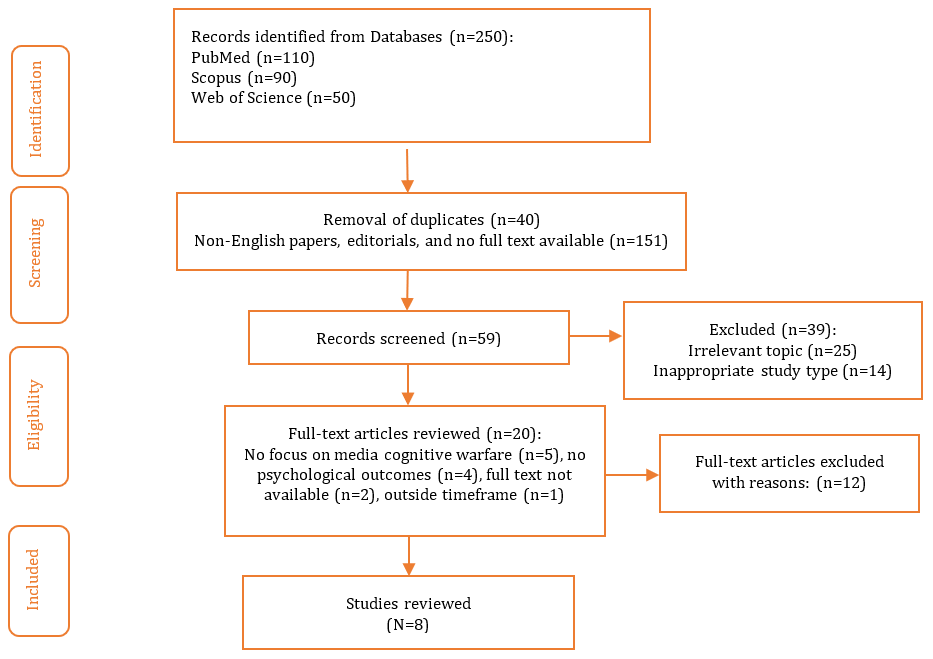
Figure 1. PRISMA flow diagram of study identification, screening, eligibility, and inclusion
A structured data extraction form was developed to collect key information from each study, including author and year, country and population, study design, type of media exposure, measured psychological outcomes, and key findings related to anxiety, depression, and PTSD.
Due to substantial heterogeneity in study designs, populations, and assessment tools, meta-analysis was not feasible. Therefore, findings were synthesized using a qualitative thematic approach, allowing identification of recurring psychological outcomes and underlying mechanisms, such as cognitive overload, emotional erosion, and secondary trauma.
Findings
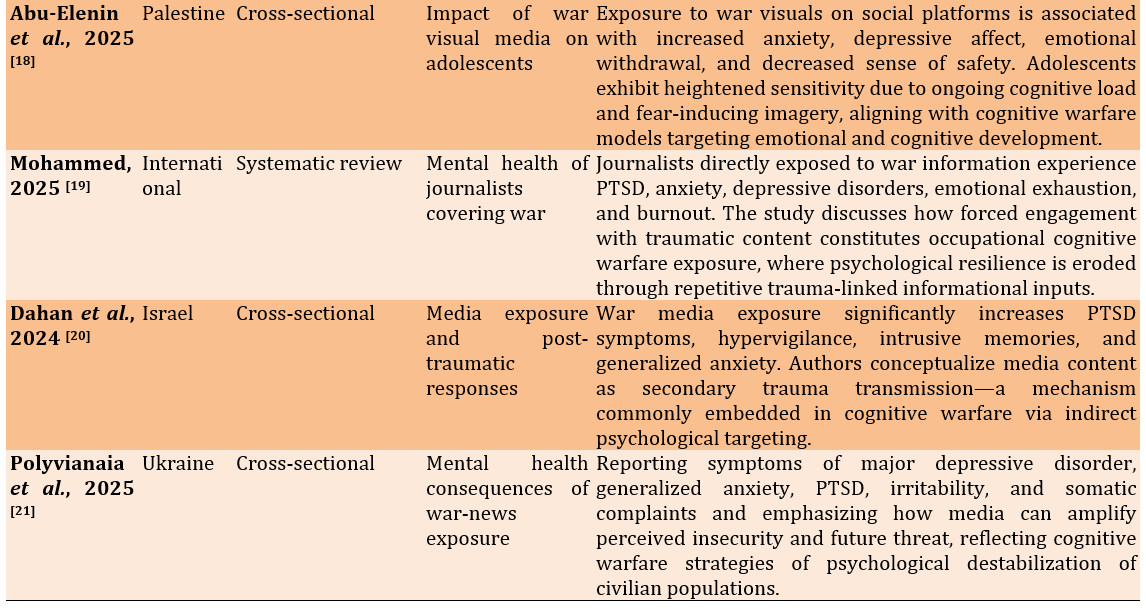
All eight studies included were published between 2024 and 2025. In terms of study design, six were cross-sectional studies, one was phenomenological, one was a narrative review, and one was a systematic review. The studies were conducted in Egypt, Turkey, Ukraine, Arab countries, Palestine, Israel, and one study had an international population. The populations examined included adults, adolescents, older adults, and journalists. All studies investigated the psychological consequences of exposure to media content related to war and conflict, and consistently emphasized the role of media-based cognitive warfare in inducing or exacerbating anxiety, depression, PTSD, emotional distress, and impaired cognitive processing. The theoretical framework of most studies focused on indirect trauma transmission, informational uncertainty, and the exploitation of fear as tools of cognitive warfare through media (Table 1).
Table 1. Characteristics and key finding(s) of the included studies
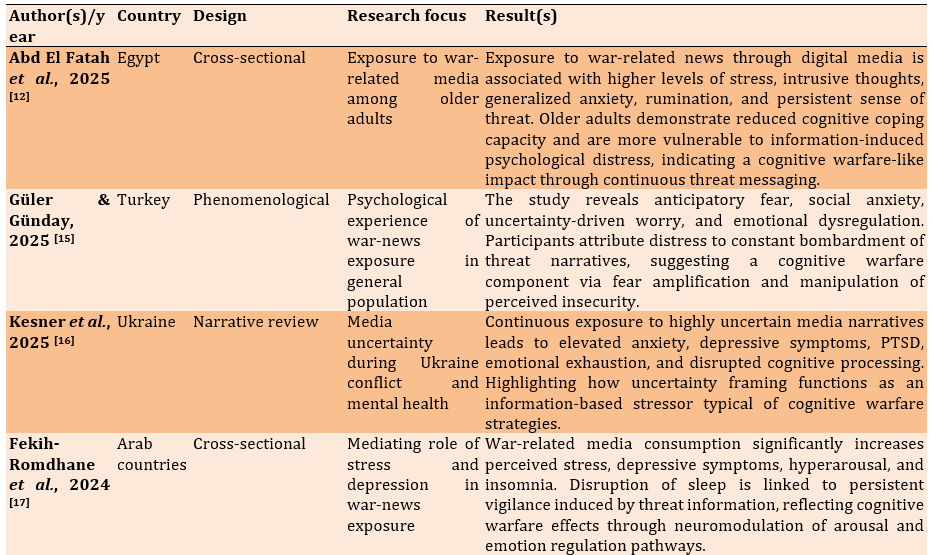
Exposure to war-related media content—including news reports, violent imagery, and threat-laden narratives—was consistently associated with a range of adverse psychological outcomes. The most frequently reported consequences included increased anxiety, depressive symptoms, and PTSD manifestations. Several studies also highlighted elevated levels of hypervigilance, intrusive thoughts, rumination, and a persistent sense of threat, indicating that media exposure can replicate aspects of the war experience even in the absence of direct physical danger [8, 12, 15, 20].
Older adults demonstrated heightened vulnerability. Abd El Fatah et al. reported that continuous exposure to digital war news is associated with elevated stress, generalized anxiety, intrusive thoughts, and reduced cognitive coping capacity among elderly individuals [12]. Similarly, Güler and Günday reported that adults exposed to repeated war narratives experience anticipatory fear, emotional dysregulation, and uncertainty-driven worry, suggesting that media can serve as a psychological amplifier of threat [15]. Narrative evidence from Ukraine further emphasized that media-induced uncertainty contributes to emotional exhaustion, depressive symptoms, and disrupted cognitive processing [16].
Studies conducted in Arab countries and Palestine revealed that adolescents and young adults are particularly susceptible to media-related psychological distress. Fekih-Romdhane et al. demonstrated that exposure to Israel-Gaza war coverage increases perceived stress, depressive symptoms, hyperarousal, and insomnia [22]. Abu-Elenin et al. similarly reported that adolescents exposed to violent war imagery experienced heightened anxiety, depressive affect, emotional withdrawal, and diminished perceived safety [18]. These findings align with the concept of secondary trauma, wherein individuals develop trauma-like symptoms through indirect exposure to conflict [20].
Professional groups with repeated exposure to traumatic media content also demonstrated significant psychological burden. Mohammed’s systematic review showed that journalists covering war and conflict frequently experienced PTSD, anxiety, depressive disorders, and emotional exhaustion due to continuous engagement with traumatic material [19]. Likewise, Dahan et al. reported that mental health workers exposed to war-related media during the Israel-Hamas conflict exhibit elevated anxiety, hypervigilance, and secondary trauma symptoms [20]. Polyvianaia et al. further documented increased depressive symptoms, anxiety, PTSD manifestations, irritability, and somatic complaints among university students exposed to prolonged war-related media coverage in Ukraine [21].
Overall, two primary mechanisms were found through which media-based cognitive warfare affects mental health, including cognitive overload and emotional erosion resulting from continuous exposure to threat-based and uncertain narratives [12, 16, 22], and secondary trauma triggered by indirect exposure to violent or distressing imagery [18, 20, 21]. These mechanisms were observed across multiple demographic groups, suggesting that media-driven cognitive warfare exerts broad and significant psychological effects on civilian populations. Continuous exposure to threat-laden or uncertain narratives leads to cognitive overload and emotional erosion, resulting in anxiety, depression, and stress-related symptoms. Indirect exposure to violent or distressing imagery triggers secondary trauma, contributing to PTSD-like symptoms, hypervigilance, and emotional withdrawal. Together, these mechanisms increase the psychological burden on civilian populations (Figure 2).
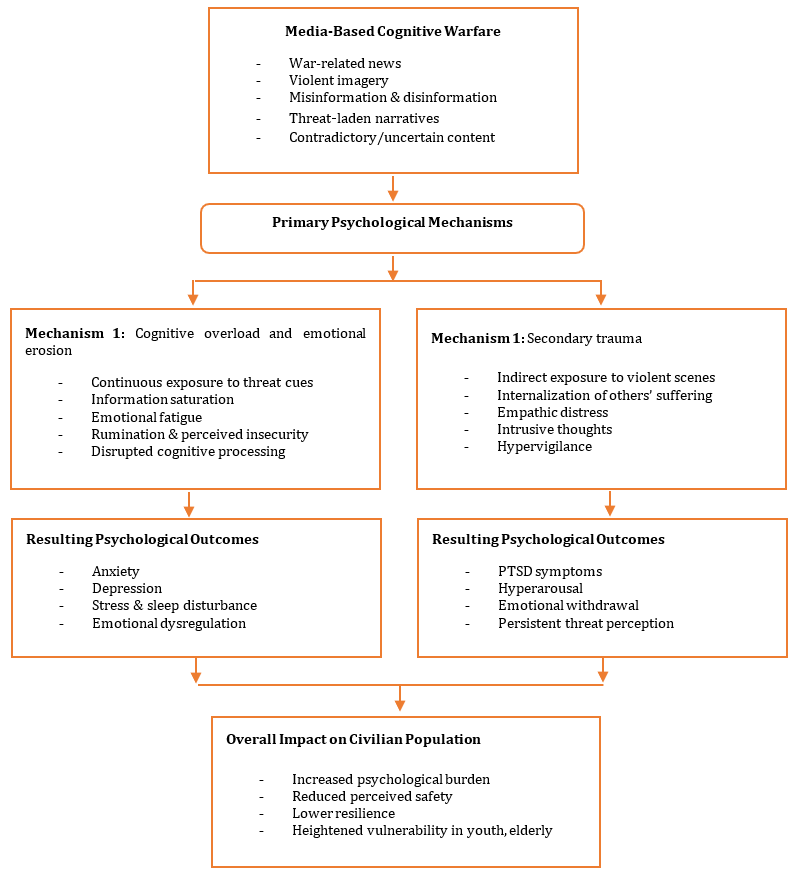
Figure 2. Conceptual model of psychological mechanisms linking media-based cognitive warfare to mental health outcomes
Discussion
This review aimed to synthesize available evidence on the psychological effects of media-based cognitive warfare on civilian populations. Exposure to war-related media content exerted significant psychological effects on civilian populations across diverse cultural and geographical contexts. Consistent evidence from the included studies indicates that media functions not merely as a channel of information, but as a conduit through which the psychological experience of war is transmitted, often replicating the emotional and cognitive burden of direct exposure to conflict. This phenomenon aligns with the conceptual framework of cognitive warfare, wherein information is strategically used to influence perceptions, induce emotional distress, and weaken societal resilience [3, 5]. Recent population-based studies on the Russo-Ukrainian War further demonstrated that intensive war-related news consumption is a robust predictor of psychological distress, including elevated anxiety, depression, and post-traumatic symptoms, independent of objective war proximity, supporting the idea that media can generate a “bystander war syndrome” [23].
Anxiety, depressive symptoms, and PTSD-related manifestations emerged as the most prevalent outcomes of media exposure. These findings are consistent with prior research demonstrating that repeated exposure to negative or threatening media content can heighten emotional arousal, amplify perceived insecurity, and contribute to chronic psychological distress [6, 7]. For example, older adults exposed to continuous digital war news exhibit elevated anxiety, intrusive thoughts, and reduced coping capacity [12], while adults in Turkey report anticipatory fear and emotional dysregulation in response to persistent threat-laden narratives [15]. These patterns suggest that media can act as a secondary trigger of the war experience, blurring the boundary between physical and psychological proximity to conflict.
A national survey in Portugal showed that media-based exposure to the Russian-Ukrainian war is significantly associated with stress, anxiety, and depressive symptoms, particularly among individuals spending more than one hour per day on war news. This finding empirically reinforces the dose-response relationship between media exposure and mental health deterioration [24].
A notable finding of this review is the heightened vulnerability of specific demographic groups. Adolescents exposed to violent war imagery demonstrate increased anxiety, depressive affect, and emotional withdrawal [18], likely due to developmental sensitivity and the pervasive nature of digital media in their daily lives. Similarly, journalists and mental health workers who are repeatedly exposed to traumatic content as part of their professional roles exhibit elevated levels of PTSD, anxiety, and emotional exhaustion [19, 20]. These observations highlight the cumulative psychological burden associated with prolonged exposure to conflict-related media and underscore the need for targeted interventions for high-risk groups.
Studies on adolescents exposed to media coverage of armed conflict in the Middle East report that higher use of social media and visual platforms strongly predicts post-traumatic stress and anxiety symptoms, with dispositional optimism acting as a partial but limited protective factor [18]. Phenomenological data from the general population further describe adolescents and young adults who report social anxiety, mental fatigue, and sleep disturbance following sustained exposure to graphic war news, emphasizing their particular susceptibility to media-mediated conflict [15].
Two primary mechanisms appeared to underlie the psychological effects of media-based cognitive warfare. The first is cognitive overload and emotional erosion, driven by continuous exposure to uncertain, threatening, or contradictory narratives. This mechanism has been described in studies from Ukraine and Arab countries, where media-induced uncertainty contributed to emotional exhaustion, depressive symptoms, and sleep disturbances [15, 22]. The second mechanism is secondary trauma, wherein individuals develop trauma-like symptoms through indirect exposure to violent imagery or distressing narratives [18, 20, 21].
Experimental and longitudinal studies on exposure to graphic images of mass violence show that repeated viewing can produce acute stress and PTSD-type reactions comparable to, and sometimes exceeding, those reported by direct event witnesses, especially when images are immersive and viewed in quick succession [25, 26]. These results resonate with socio-cognitive models of collective trauma, which underscore that repeated media exposure generates rumination, heightened risk perception, and long-term anxiety across the population [18]. These mechanisms reflect the capacity of media to shape emotional and cognitive responses in ways that parallel direct exposure to conflict.
Our findings have important implications for public health and national security. As hybrid warfare increasingly incorporates psychological and informational components, understanding the mental health consequences of media-driven cognitive warfare becomes essential for strengthening societal resilience. Public media literacy programs, psychological preparedness training, and responsible media reporting practices may help mitigate the psychological burden associated with exposure to conflict-related content. Epidemiological studies of media exposure during recent conflicts indicate that individuals who limit time on war news and prefer balanced, less sensationalized sources show lower levels of stress and rumination, supporting the usefulness of “news-hygiene” and media-literacy interventions [26, 27]. Guidelines for media professionals and mental health services already recommend structured psychoeducation and coping-strategy training for frequent news consumers and at-risk occupational groups [28, 29]. Furthermore, mental health services should consider the unique needs of vulnerable groups, including adolescents, older adults, journalists, and frontline professionals.
Recent research on adolescents in Gaza exposed to continuous media coverage has documented a high prevalence of anxiety, stress, and depressive symptoms linked directly to the frequency and emotional intensity of war-related viewing, underscoring the need for school-based and community-level support programs [30]. Parallel evidence from studies of journalists repeatedly covering mass violence likewise calls for tailored psychological support and debriefing protocols in media organizations [26, 31].
Despite its contributions, this review has limitations. The number of eligible studies was relatively small, and methodological heterogeneity limited the ability to conduct quantitative synthesis. Additionally, most studies relied on cross-sectional designs, which restrict causal inference. Future research should employ longitudinal and experimental designs to better understand the long-term psychological effects of media-based cognitive warfare and to identify protective factors that enhance resilience. Longitudinal studies on mass-violence media exposure have already shown that high-intensity, repeated viewing can sustain a “cycle of distress”, whereas social support, media-literacy education, and adaptive coping mitigated symptom persistence over time [32, 33]. Extending such frameworks to war-related, geopolitically sensitive media will be essential for designing evidence-based public health interventions against media-driven cognitive warfare.
This scoping review confirms that media-based cognitive warfare through violent imagery, misinformation, and uncertainty induces significant psychological harm, including anxiety, depression, PTSD, and reduced perceived safety. Vulnerable groups, such as adolescents, older adults, and journalists are disproportionately affected. These findings underscore media as a covert yet powerful tool of modern conflict with direct mental health.
Future research should employ longitudinal designs to establish causality and assess long-term psychological trajectories. Policymakers must integrate media literacy into national curricula and public health frameworks. Clinical guidelines should include media-related trauma screening and targeted psychological interventions for at-risk populations.
Conclusion
Exposure to war-related media content correlates with heightened anxiety, depressive symptoms, and trauma-related manifestations, particularly among civilian populations.
Acknowledgments: The researchers express their appreciation to all who contributed to this review with their valuable insights.
Ethical Permissions: Not needed.
Conflicts of Interest: The authors declare no conflicts of interest.
Authors' Contribution: Sokhanvar M (First Author), Introduction Writer/Methodologist/Main Researcher/Discussion Writer/Statistical Analyst (50%); Zareipour MA (Second Author), Introduction Writer/Methodologist/Main Researcher/Discussion Writer/Statistical Analyst (50%)
Funding/Support: This research received no specific grant from any funding agency in the public, commercial, or not-for-profit sectors.
Mental health disorders represent one of the most significant global public health concerns in the contemporary era. According to estimates from the World Health Organization (WHO), more than one billion individuals worldwide suffer from mental disorders, and anxiety and depression constitute a substantial proportion of this burden [1]. The situation is even more difficult in regions affected by armed conflict, where approximately one in five individuals experiences mental health problems ranging from anxiety and depression to more severe conditions such as post-traumatic stress disorder (PTSD), often impairing daily functioning and access to care [1, 2]. Alongside the traditional psychological consequences of war, rapid developments in information and communication technologies have contributed to the emergence of a new form of conflict known as cognitive warfare. Unlike conventional warfare, cognitive warfare directly targets mental processes, perceptions, and decision-making, positioning the human mind as both a weapon and a battlefield [3].
The expansion of social media platforms, behavioral targeting algorithms, and artificial intelligence has amplified the reach and impact of cognitive warfare. The organized dissemination of misinformation, manipulated narratives, and emotionally charged content—often deployed strategically during crises—can influence public opinion and undermine psychological stability [4]. This dynamic was evident during the post-2022 Ukraine conflict, when a “flood of conflicting narratives” circulated to erode public trust and increase uncertainty [5]. Psychological research increasingly highlights the mental health consequences of such exposure. Repeated contact with negative news, violent imagery, and threat-laden information has been associated with heightened anxiety, depressive symptoms, and trauma-related reactions, even among individuals geographically distant from the conflict [6, 7]. Media exposure can therefore function as a form of secondary trauma, replicating aspects of the war experience and blurring the boundary between physical and psychological proximity to conflict [8, 9].
Despite the growing recognition of cognitive warfare as a strategic tool, relatively few studies have systematically examined its psychological consequences in the general population. Existing research often focuses either on defining cognitive warfare tactics [3] or on the broader mental health effects of media exposure during crises [10-12], without integrating these domains into a unified analytical framework. As hybrid threats and information-based operations increasingly shape modern security environments, understanding the mental health implications of media-driven cognitive warfare has become a critical priority for public health and national resilience.
By mapping existing findings and identifying vulnerable groups and underlying mechanisms, this review sought to provide a clearer understanding of how cognitive warfare influences population-level mental health and to inform future preventive and policy strategies. This scoping review aimed to synthesize available evidence on the psychological effects of media-based cognitive warfare on civilian populations, with a specific focus on anxiety, depression, and PTSD.
Information and Methods
This scoping review was conducted through comprehensive, systematic searches for studies on the psychological effects of media-based cognitive warfare in PubMed, Web of Science, Scopus, Scientific Information Database (SID), and Magiran. Studies were published between January 2000 and December 2025.
The used methodological approach followed the framework proposed by Arksey and O’Malley and later refined by Levac et al. [13], as well as the PRISMA-ScR (Preferred Reporting Items for Systematic Reviews and Meta-Analyses Extension for Scoping Reviews) guidelines [14]. This approach was selected because of the conceptual diversity and methodological heterogeneity of studies addressing media exposure, cognitive warfare, and mental health outcomes. This timeframe was chosen because the conceptualization of cognitive warfare and the expansion of digital media ecosystems have evolved significantly over the past two decades.
The search strategy combined controlled vocabulary and free-text terms related to cognitive warfare, media exposure, and mental health outcomes. Keywords included “Cognitive Warfare”, “Psychological Warfare”, “Information Warfare”, “Media Exposure”, “Misinformation”, “Anxiety”, “Depression”, “Post-Traumatic Stress Disorder”, and “PTSD”. Boolean operators AND and OR were used to expand or narrow the search as appropriate.
Studies were included if they examined any aspect of media exposure related to war, conflict, or cognitive warfare and reported at least one psychological outcome relevant to the general population, such as anxiety, depression, PTSD, stress, hypervigilance, or intrusive thoughts. They focused on civilian groups, including adolescents, adults, and older adults, and were published in English or Persian, with full text available. Both quantitative and qualitative designs, as well as review articles that addressed the psychological consequences of war-related media content, were considered appropriate for inclusion. In contrast, studies were excluded if they focused exclusively on military personnel, soldiers, or combatants, or if they addressed only the technical, strategic, or operational dimensions of cognitive warfare without examining mental health outcomes. Articles lacking sufficient methodological detail, those without measurable psychological parameters, and publications, such as letters to the editor, commentaries, conference abstracts, and case reports were also excluded.
The initial search of PubMed (n=110), Scopus (n=90), and Web of Science (n=50) yielded a total of 250 records. After removing 40 duplicate records and excluding a further 151 records prior to screening due to non-English language, editorial materials, or unavailability of full text, 59 unique records proceeded to title and abstract screening. Of these, 39 records were excluded because they were irrelevant to the topic or used an inappropriate study design. The remaining 20 full-text articles were assessed for eligibility. During full-text review, 12 articles were excluded for no specific focus on media cognitive warfare (n=5), absence of psychological outcomes, such as anxiety, depression, or PTSD (n=4), full text not retrievable (n=2), and publication outside the predefined timeframe (2015–2026, n=1). Consequently, 8 studies met all inclusion criteria and were included in the scoping review. The study selection process adhered to the PRISMA Extension for Scoping Reviews (PRISMA-ScR) guidelines and was presented in the PRISMA flow diagram (Figure 1).
Figure 1. PRISMA flow diagram of study identification, screening, eligibility, and inclusion
A structured data extraction form was developed to collect key information from each study, including author and year, country and population, study design, type of media exposure, measured psychological outcomes, and key findings related to anxiety, depression, and PTSD.
Due to substantial heterogeneity in study designs, populations, and assessment tools, meta-analysis was not feasible. Therefore, findings were synthesized using a qualitative thematic approach, allowing identification of recurring psychological outcomes and underlying mechanisms, such as cognitive overload, emotional erosion, and secondary trauma.
Findings
All eight studies included were published between 2024 and 2025. In terms of study design, six were cross-sectional studies, one was phenomenological, one was a narrative review, and one was a systematic review. The studies were conducted in Egypt, Turkey, Ukraine, Arab countries, Palestine, Israel, and one study had an international population. The populations examined included adults, adolescents, older adults, and journalists. All studies investigated the psychological consequences of exposure to media content related to war and conflict, and consistently emphasized the role of media-based cognitive warfare in inducing or exacerbating anxiety, depression, PTSD, emotional distress, and impaired cognitive processing. The theoretical framework of most studies focused on indirect trauma transmission, informational uncertainty, and the exploitation of fear as tools of cognitive warfare through media (Table 1).
Table 1. Characteristics and key finding(s) of the included studies
Exposure to war-related media content—including news reports, violent imagery, and threat-laden narratives—was consistently associated with a range of adverse psychological outcomes. The most frequently reported consequences included increased anxiety, depressive symptoms, and PTSD manifestations. Several studies also highlighted elevated levels of hypervigilance, intrusive thoughts, rumination, and a persistent sense of threat, indicating that media exposure can replicate aspects of the war experience even in the absence of direct physical danger [8, 12, 15, 20].
Older adults demonstrated heightened vulnerability. Abd El Fatah et al. reported that continuous exposure to digital war news is associated with elevated stress, generalized anxiety, intrusive thoughts, and reduced cognitive coping capacity among elderly individuals [12]. Similarly, Güler and Günday reported that adults exposed to repeated war narratives experience anticipatory fear, emotional dysregulation, and uncertainty-driven worry, suggesting that media can serve as a psychological amplifier of threat [15]. Narrative evidence from Ukraine further emphasized that media-induced uncertainty contributes to emotional exhaustion, depressive symptoms, and disrupted cognitive processing [16].
Studies conducted in Arab countries and Palestine revealed that adolescents and young adults are particularly susceptible to media-related psychological distress. Fekih-Romdhane et al. demonstrated that exposure to Israel-Gaza war coverage increases perceived stress, depressive symptoms, hyperarousal, and insomnia [22]. Abu-Elenin et al. similarly reported that adolescents exposed to violent war imagery experienced heightened anxiety, depressive affect, emotional withdrawal, and diminished perceived safety [18]. These findings align with the concept of secondary trauma, wherein individuals develop trauma-like symptoms through indirect exposure to conflict [20].
Professional groups with repeated exposure to traumatic media content also demonstrated significant psychological burden. Mohammed’s systematic review showed that journalists covering war and conflict frequently experienced PTSD, anxiety, depressive disorders, and emotional exhaustion due to continuous engagement with traumatic material [19]. Likewise, Dahan et al. reported that mental health workers exposed to war-related media during the Israel-Hamas conflict exhibit elevated anxiety, hypervigilance, and secondary trauma symptoms [20]. Polyvianaia et al. further documented increased depressive symptoms, anxiety, PTSD manifestations, irritability, and somatic complaints among university students exposed to prolonged war-related media coverage in Ukraine [21].
Overall, two primary mechanisms were found through which media-based cognitive warfare affects mental health, including cognitive overload and emotional erosion resulting from continuous exposure to threat-based and uncertain narratives [12, 16, 22], and secondary trauma triggered by indirect exposure to violent or distressing imagery [18, 20, 21]. These mechanisms were observed across multiple demographic groups, suggesting that media-driven cognitive warfare exerts broad and significant psychological effects on civilian populations. Continuous exposure to threat-laden or uncertain narratives leads to cognitive overload and emotional erosion, resulting in anxiety, depression, and stress-related symptoms. Indirect exposure to violent or distressing imagery triggers secondary trauma, contributing to PTSD-like symptoms, hypervigilance, and emotional withdrawal. Together, these mechanisms increase the psychological burden on civilian populations (Figure 2).
Figure 2. Conceptual model of psychological mechanisms linking media-based cognitive warfare to mental health outcomes
Discussion
This review aimed to synthesize available evidence on the psychological effects of media-based cognitive warfare on civilian populations. Exposure to war-related media content exerted significant psychological effects on civilian populations across diverse cultural and geographical contexts. Consistent evidence from the included studies indicates that media functions not merely as a channel of information, but as a conduit through which the psychological experience of war is transmitted, often replicating the emotional and cognitive burden of direct exposure to conflict. This phenomenon aligns with the conceptual framework of cognitive warfare, wherein information is strategically used to influence perceptions, induce emotional distress, and weaken societal resilience [3, 5]. Recent population-based studies on the Russo-Ukrainian War further demonstrated that intensive war-related news consumption is a robust predictor of psychological distress, including elevated anxiety, depression, and post-traumatic symptoms, independent of objective war proximity, supporting the idea that media can generate a “bystander war syndrome” [23].
Anxiety, depressive symptoms, and PTSD-related manifestations emerged as the most prevalent outcomes of media exposure. These findings are consistent with prior research demonstrating that repeated exposure to negative or threatening media content can heighten emotional arousal, amplify perceived insecurity, and contribute to chronic psychological distress [6, 7]. For example, older adults exposed to continuous digital war news exhibit elevated anxiety, intrusive thoughts, and reduced coping capacity [12], while adults in Turkey report anticipatory fear and emotional dysregulation in response to persistent threat-laden narratives [15]. These patterns suggest that media can act as a secondary trigger of the war experience, blurring the boundary between physical and psychological proximity to conflict.
A national survey in Portugal showed that media-based exposure to the Russian-Ukrainian war is significantly associated with stress, anxiety, and depressive symptoms, particularly among individuals spending more than one hour per day on war news. This finding empirically reinforces the dose-response relationship between media exposure and mental health deterioration [24].
A notable finding of this review is the heightened vulnerability of specific demographic groups. Adolescents exposed to violent war imagery demonstrate increased anxiety, depressive affect, and emotional withdrawal [18], likely due to developmental sensitivity and the pervasive nature of digital media in their daily lives. Similarly, journalists and mental health workers who are repeatedly exposed to traumatic content as part of their professional roles exhibit elevated levels of PTSD, anxiety, and emotional exhaustion [19, 20]. These observations highlight the cumulative psychological burden associated with prolonged exposure to conflict-related media and underscore the need for targeted interventions for high-risk groups.
Studies on adolescents exposed to media coverage of armed conflict in the Middle East report that higher use of social media and visual platforms strongly predicts post-traumatic stress and anxiety symptoms, with dispositional optimism acting as a partial but limited protective factor [18]. Phenomenological data from the general population further describe adolescents and young adults who report social anxiety, mental fatigue, and sleep disturbance following sustained exposure to graphic war news, emphasizing their particular susceptibility to media-mediated conflict [15].
Two primary mechanisms appeared to underlie the psychological effects of media-based cognitive warfare. The first is cognitive overload and emotional erosion, driven by continuous exposure to uncertain, threatening, or contradictory narratives. This mechanism has been described in studies from Ukraine and Arab countries, where media-induced uncertainty contributed to emotional exhaustion, depressive symptoms, and sleep disturbances [15, 22]. The second mechanism is secondary trauma, wherein individuals develop trauma-like symptoms through indirect exposure to violent imagery or distressing narratives [18, 20, 21].
Experimental and longitudinal studies on exposure to graphic images of mass violence show that repeated viewing can produce acute stress and PTSD-type reactions comparable to, and sometimes exceeding, those reported by direct event witnesses, especially when images are immersive and viewed in quick succession [25, 26]. These results resonate with socio-cognitive models of collective trauma, which underscore that repeated media exposure generates rumination, heightened risk perception, and long-term anxiety across the population [18]. These mechanisms reflect the capacity of media to shape emotional and cognitive responses in ways that parallel direct exposure to conflict.
Our findings have important implications for public health and national security. As hybrid warfare increasingly incorporates psychological and informational components, understanding the mental health consequences of media-driven cognitive warfare becomes essential for strengthening societal resilience. Public media literacy programs, psychological preparedness training, and responsible media reporting practices may help mitigate the psychological burden associated with exposure to conflict-related content. Epidemiological studies of media exposure during recent conflicts indicate that individuals who limit time on war news and prefer balanced, less sensationalized sources show lower levels of stress and rumination, supporting the usefulness of “news-hygiene” and media-literacy interventions [26, 27]. Guidelines for media professionals and mental health services already recommend structured psychoeducation and coping-strategy training for frequent news consumers and at-risk occupational groups [28, 29]. Furthermore, mental health services should consider the unique needs of vulnerable groups, including adolescents, older adults, journalists, and frontline professionals.
Recent research on adolescents in Gaza exposed to continuous media coverage has documented a high prevalence of anxiety, stress, and depressive symptoms linked directly to the frequency and emotional intensity of war-related viewing, underscoring the need for school-based and community-level support programs [30]. Parallel evidence from studies of journalists repeatedly covering mass violence likewise calls for tailored psychological support and debriefing protocols in media organizations [26, 31].
Despite its contributions, this review has limitations. The number of eligible studies was relatively small, and methodological heterogeneity limited the ability to conduct quantitative synthesis. Additionally, most studies relied on cross-sectional designs, which restrict causal inference. Future research should employ longitudinal and experimental designs to better understand the long-term psychological effects of media-based cognitive warfare and to identify protective factors that enhance resilience. Longitudinal studies on mass-violence media exposure have already shown that high-intensity, repeated viewing can sustain a “cycle of distress”, whereas social support, media-literacy education, and adaptive coping mitigated symptom persistence over time [32, 33]. Extending such frameworks to war-related, geopolitically sensitive media will be essential for designing evidence-based public health interventions against media-driven cognitive warfare.
This scoping review confirms that media-based cognitive warfare through violent imagery, misinformation, and uncertainty induces significant psychological harm, including anxiety, depression, PTSD, and reduced perceived safety. Vulnerable groups, such as adolescents, older adults, and journalists are disproportionately affected. These findings underscore media as a covert yet powerful tool of modern conflict with direct mental health.
Future research should employ longitudinal designs to establish causality and assess long-term psychological trajectories. Policymakers must integrate media literacy into national curricula and public health frameworks. Clinical guidelines should include media-related trauma screening and targeted psychological interventions for at-risk populations.
Conclusion
Exposure to war-related media content correlates with heightened anxiety, depressive symptoms, and trauma-related manifestations, particularly among civilian populations.
Acknowledgments: The researchers express their appreciation to all who contributed to this review with their valuable insights.
Ethical Permissions: Not needed.
Conflicts of Interest: The authors declare no conflicts of interest.
Authors' Contribution: Sokhanvar M (First Author), Introduction Writer/Methodologist/Main Researcher/Discussion Writer/Statistical Analyst (50%); Zareipour MA (Second Author), Introduction Writer/Methodologist/Main Researcher/Discussion Writer/Statistical Analyst (50%)
Funding/Support: This research received no specific grant from any funding agency in the public, commercial, or not-for-profit sectors.
Keywords:
Warfare [MeSH], Misinformation [MeSH], Anxiety [MeSH], Depression [MeSH], Post-Traumatic Stress Disorder [MeSH], Mental Health [MeSH]
References
1. Ahmed SH, Zakai A, Zahid M, Jawad MY, Fu R, Chaiton M. Prevalence of post-traumatic stress disorder and depressive symptoms among civilians residing in armed conflict-affected regions: A systematic review and meta-analysis. Gen Psychiatry. 2024;37(3):e101438. [Link] [DOI:10.1136/gpsych-2023-101438]
2. Ahmadi H, Kalateh Sadati A, Farahmand M, Hajizadeh Meimandi M. The experience of war and the contexts leading to depressive disorders: A qualitative study in Bamyan, Afghanistan. J Soc Contin Chang. 2025;4(3):521-42. [Persian] [Link]
3. Deppe C, Schaal GS. Cognitive warfare: A conceptual analysis of the NATO ACT cognitive warfare exploratory concept. Front Big Data. 2024;7:1452129. [Link] [DOI:10.3389/fdata.2024.1452129]
4. Zareipour M, Sabri V. The importance and role of media literacy in the recent Iran-Israel war. J Arch Mil Med. 2025;13(3):e165448. [Link] [DOI:10.5812/jamm-165448]
5. Paziuk A, Lande D, Shnurko-Tabakova E, Kingston P. Decoding manipulative narratives in cognitive warfare: A case study of the Russia-Ukraine conflict. Front Artif Intell. 2025;8:1566022. [Link] [DOI:10.3389/frai.2025.1566022]
6. Hudon A, Perry K, Plate AS, Doucet A, Ducharme L, Djona O, et al. Navigating the maze of social media disinformation on psychiatric illness and charting paths to reliable information for mental health professionals: Observational study of TikTok videos. J Med Internet Res. 2025;27:e64225. [Link] [DOI:10.2196/64225]
7. Starvaggi I, Dierckman C, Lorenzo-Luaces L. Mental health misinformation on social media: Review and future directions. Curr Opin Psychol. 2024;56:101738. [Link] [DOI:10.1016/j.copsyc.2023.101738]
8. Charlson F, Van Ommeren M, Flaxman A, Cornett J, Whiteford H, Saxena S. New WHO prevalence estimates of mental disorders in conflict settings: A systematic review and meta-analysis. Lancet. 2019;394(10194):240-8. [Link] [DOI:10.1016/S0140-6736(19)30934-1]
9. Carpiniello B. The mental health costs of armed conflicts-a review of systematic reviews conducted on refugees, asylum-seekers and people living in war zones. Int J Environ Res Public Health. 2023;20(4):2840. [Link] [DOI:10.3390/ijerph20042840]
10. Enav Y, Shiffman N, Lurie I, Mayer Y. War, media, and emotion: Associations between posttraumatic stress symptoms, anxiety, and emotion regulation. Psychol Trauma Theory Res Pract Policy. 2025;17(7):1551-5. [Link] [DOI:10.1037/tra0001826]
11. Nguyen TT, Nguyen DC, Nguyen HT, Do HT, Ngo T, Pham ABG, et al. Exposure to fake news on social media, coping mechanisms, and mental health impact among Vietnamese adolescents and young adults. Sci Rep. 2025;15(1):35117. [Link] [DOI:10.1038/s41598-025-19175-4]
12. Abd El Fatah NK, El‐Ashry AM, Abdelwahab Khedr M, Ali SM. Unseen battles: The impact of war media exposure on stress, anxiety and persistent thinking among elderly community dwellers: A cross‐sectional study. Int J Ment Health Nurs. 2025;34(3):e70082. [Link] [DOI:10.1111/inm.70082]
13. Arksey H, O'malley L. Scoping studies: Towards a methodological framework. Int J Soc Res Methodol. 2005;8(1):19-32. [Link] [DOI:10.1080/1364557032000119616]
14. Tricco AC, Lillie E, Zarin W, O'Brien KK, Colquhoun H, Levac D, et al. PRISMA extension for scoping reviews (PRISMA-ScR): Checklist and explanation. Ann Intern Med. 2018;169(7):467-73. [Link] [DOI:10.7326/M18-0850]
15. Güler KG, Günday EA. Fronts in minds: A phenomenological study on the effects of war news on collective mental health. Public Health Nurs. 2025;42(1):483-93. [Link] [DOI:10.1111/phn.13458]
16. Kesner L, Juríčková V, Grygarová D, Horáček J. Impact of media-induced uncertainty on mental health: Narrative-based perspective. JMIR Ment Health. 2025;12:e68640. [Link] [DOI:10.2196/68640]
17. Fekih-Romdhane F, Helmy M, Alhuwailah A, Shuwiekh HAM, Naser AY, Maalej E, et al. Mediating effect of depression and acute stress between exposure to Israel-Gaza war media coverage and insomnia: A multinational study from five Arab countries. BMC Public Health. 2024;24(1):1498. [Link] [DOI:10.1186/s12889-024-18996-8]
18. Abu-Elenin MM, Radwan MM, Rabie MM, Eldabaa MM, El Wahab MMA, Shatat YM, et al. The repercussions of watching scenes of the escalating conflict in Gaza strip on the mental health of adolescents in a neighboring country. BMC Public Health. 2025;25(1):1590. [Link] [DOI:10.1186/s12889-025-22550-5]
19. Mohammed I. A systematic review of the literature on the mental health of journalists reporting on war, conflict and terrorism: Gaps and recommendations for future studies. Journal Media. 2025;6(3):129. [Link] [DOI:10.3390/journalmedia6030129]
20. Dahan S, Bloemhof-Bris E, Segev R, Abramovich M, Levy G, Shelef A. Anxiety, post-traumatic symptoms, media-induced secondary trauma, post-traumatic growth, and resilience among mental health workers during the Israel-Hamas war. Stress Health. 2024;40(5):e3459. [Link] [DOI:10.1002/smi.3459]
21. Polyvianaia M, Yachnik Y, Fegert JM, Sitarski E, Stepanova N, Pinchuk I. Mental health of university students twenty months after the beginning of the full-scale Russian-Ukrainian war. BMC Psychiatry. 2025;25(1):236. [Link] [DOI:10.1186/s12888-025-06654-1]
22. Fekih-Romdhane F, Helmy M, Alhuwailah A, Shuwiekh HAM, Maalej E, Naser AY, et al. Resilience and religiosity as moderators between war-related media exposure and psychotic experiences in the aftermath of the October 2023 Israel-Gaza war. Discov Public Health. 2025;22(1):213. [Link] [DOI:10.1186/s12982-025-00599-2]
23. Li DJ, Chudzicka-Czupała A, Paliga M, Hapon N, Karamushka L, Żywiołek-Szeja M, et al. Association between the time spent on and sources of the news of Russo-Ukrainian war and psychological distress among individuals in Poland and Ukraine: The mediating effect of rumination. Psychol Res Behav Manag. 2024:1855-66. [Link] [DOI:10.2147/PRBM.S457046]
24. Castro M, Aires Dias J, Madeira L. Does the media (also) keep the score? Media-based exposure to the Russian-Ukrainian war and mental health in Portugal. J Health Psychol. 2024;29(13):1475-88. [Link] [DOI:10.1177/13591053231201242]
25. Holman EA, Garfin DR, Silver RC. It matters what you see: Graphic media images of war and terror may amplify distress. Proc Natl Acad Sci. 2024;121(29):e2318465121. [Link] [DOI:10.1073/pnas.2318465121]
26. Thompson RR, Jones NM, Holman EA, Silver RC. Media exposure to mass violence events can fuel a cycle of distress. Sci Adv. 2019;5(4):eaav3502. [Link] [DOI:10.1126/sciadv.aav3502]
27. Murthy RS, Lakshminarayana R. Mental health consequences of war: A brief review of research findings. World Psychiatry. 2006;5(1):25-30. [Link]
28. North CS, Pfefferbaum B. Mental health response to community disasters: A systematic review. JAMA. 2013;310(5). [Link] [DOI:10.1001/jama.2013.107799]
29. Majeed MH, Sudak DM, Beresin E. Mass shootings and the news media: What can psychiatrists do?. Acad Psychiatry. 2019;43(4):442-6. [Link] [DOI:10.1007/s40596-019-01066-2]
30. Uvais NA. Disaster-related media exposure and its impact on mental health. J Fam Med Prim Care. 2020;9(1):448-9. [Link] [DOI:10.4103/jfmpc.jfmpc_981_19]
31. Presler-Marshall E, Abu Hamad B, Youssef S, Jones N, Baird S, Małachowska A. Adolescents in protracted displacement: Exploring risks of age-and gender-based violence among Palestine refugees in Jordan, Lebanon and the State of Palestine. Report. London: Gender and Adolescence: Global Evidence; 2021. [Link]
32. Hopwood TL, Schutte NS. Psychological outcomes in reaction to media exposure to disasters and large-scale violence: A meta-analysis. Psychol Violence. 2017;7(2):316. [Link] [DOI:10.1037/vio0000056]
33. Pe'er A, Slone M. Media exposure to armed conflict: Dispositional optimism and self-mastery moderate distress and post-traumatic symptoms among adolescents. Int J Environ Res Public Health. 2022;19(18). [Link] [DOI:10.3390/ijerph191811216]