

1.0
Cite Score 2025
SJR: 0.129 / SNIP: 0.140

JMERC
Owner
Janbazan Medical and Engineering Research Center (JMERC) is the owner of IJWPH.
Volume 18, Issue 2 (2026)
3 2026, 18(2): 115-128 |
Back to browse issues page
Request Type:




History
Received: 2026/07/1 | Accepted: 2026/06/20 | Published: 2026/06/20
Received: 2026/07/1 | Accepted: 2026/06/20 | Published: 2026/06/20
How to cite this article
Rezaei S. The Mechanisms of Adapted Sport Development for Veterans in Iran. 3 2026; 18 (2) :115-128
URL: http://ijwph.daneshafarand.org/article-3-85688-en.html
URL: http://ijwph.daneshafarand.org/article-3-85688-en.html
Download citation:
BibTeX | RIS | EndNote | Medlars | ProCite | Reference Manager | RefWorks
Send citation to:


Rights and permissions
BibTeX | RIS | EndNote | Medlars | ProCite | Reference Manager | RefWorks
Send citation to:


Department of Sport Sciences, Faculty of Human Sciences, Ilam University, Ilam, Iran
Full-Text (HTML) (85 Views)
Introduction
War, as one of the most complex and destructive forms of human conflict, represents a multifaceted phenomenon with extensive biological, psychological, social, and economic consequences. Such events not only disrupt societies’ physical and economic infrastructure but also leave profound and lasting impacts on individuals’ physical health, mental well-being, and social functioning. Prolonged exposure to life-threatening situations, violence, loss, injury, and social instability generates a range of enduring impairments that often persist beyond the official cessation of hostilities [1]. Iran’s historical experience during the Iran–Iraq War (1980-1988) exemplifies these widespread consequences. This eight-year conflict, in addition to causing substantial economic and infrastructural damage, imposed a heavy burden of human suffering on Iranian society. According to the Foundation of Martyrs and Veterans Affairs (FMVA) (2023), between 213,000 and 225,000 Iranian citizens were martyred, and more than 574,000 were officially registered as veterans, of whom over 260,000 have a disability rating exceeding 25%. These statistics indicate the emergence of a significant population of individuals with physical, psychological, or combined impairments who require ongoing medical, rehabilitative, social, and psychological support. War veterans represent one of the most affected groups and face multidimensional challenges. Based on the nature and severity of their injuries, they are categorized into groups such as neuropsychiatric, chemical, amputee, special, and combined disabilities. These impairments produce not only physical consequences (e.g., limb loss, chronic pain, motor dysfunction) but also psychological (e.g., anxiety, depression, post-traumatic stress disorder (PTSD)), social (e.g., social isolation, role disruption), and occupational outcomes (e.g., reduced productivity, limited participation) [2]. Research further indicates that secondary consequences of war-related injuries—including reduced quality of life, impaired psychological adaptation, and increased caregiving burden on families—constitute major public health concerns in post-conflict societies [3].
A substantial proportion of veterans and persons with disabilities experience chronic physical and motor limitations. These limitations often include overweight and obesity, reduced mobility, musculoskeletal abnormalities, chronic pain, and diminished functional capacity [4]. The consequences of these impairments extend beyond physical health, profoundly affecting individuals’ personal and social lives. Reduced mobility and functional decline can undermine personal independence, decrease social participation, limit the fulfillment of family roles, and increase dependency. The co-occurrence of physical challenges with psychological issues such as anxiety, depression, and diminished self-esteem exacerbates a cycle of social restriction and reduced quality of life [2]. Within this context, sport and physical activity serve as multidimensional, non-medical interventions that play a pivotal role in enhancing physical health, facilitating psychological rehabilitation, and improving overall quality of life for individuals with physical and motor impairments. Regular participation in sport activities enhances physical fitness, improves functional capacity, reduces metabolic complications, promotes emotional regulation, and strengthens psychological resilience [3]. From a physiological perspective, regular physical activity contributes to improved cardiovascular performance, weight management, the prevention of chronic diseases, such as type 2 diabetes and obesity, strengthened immune function, increased longevity, and better sleep quality [5].
Moreover, sport offers social and psychological benefits by fostering social interaction, reconstructing personal identity, and enhancing self-efficacy and social capital [6]. Psychologically, sport can reduce stress, improve body image, increase life satisfaction, motivation, and personal self-efficacy, and promote overall mental health [3]. The World Health Organization (WHO) and UNICEF recognize sport as a fundamental human right and an effective means to promote social participation, social capital, and an active lifestyle, highlighting its critical importance for vulnerable populations, including veterans and persons with disabilities [7, 8]. Despite these well-documented benefits, participation by veterans and individuals with disabilities in sports activities continues to face structural, social, and economic barriers. International evidence indicates that financial constraints, social and gender inequalities, institutional discrimination, inadequate infrastructure, and the lack of cohesive, integrated policy frameworks are among the primary obstacles to sustained access to sport for these populations [3, 9]. These barriers are particularly pronounced for female veterans and persons with disabilities, hindering their full engagement in the physical, psychological, and social aspects of sport. Such obstacles not only affect sport participation but also restrict opportunities for rehabilitation, quality-of-life enhancement, and social integration, underscoring the need for targeted policies and strategic planning to address these limitations [2].
In addition, the scarcity of empirical, locally grounded research on the effectiveness of adapted sport programs poses significant challenges for policy design and program planning. This situation emphasizes the urgent need for evidence-based, contextually relevant studies tailored to national and cultural conditions [10]. According to WHO, approximately 31% of adults and 80% of adolescents worldwide do not engage in sufficient physical activity, and female participation is 5% lower than that of males. This gap is particularly pronounced in low- and middle-income countries, among older adults, and within populations with physical impairments [7]. In Iran, despite the formulation of high-level policy documents such as the “Comprehensive Scientific Map of the Country” and the “Strategic Plan for the Development of Mass Sport,” over 75% of the population does not engage in regular physical activity, and women’s participation is approximately 10% lower than men’s [11]. These statistics highlight the critical need for focused sport development, particularly for vulnerable groups and individuals with physical impairments, requiring precise planning, adequate infrastructure, and targeted interventions. Research indicates that the development of sport for veterans and persons with disabilities can be enhanced through a set of facilitating factors. Key enablers include legal and institutional support, training for specialized coaches, multi-level information dissemination and promotion, active family involvement, access to appropriate sports facilities, and the design and implementation of adapted sports programs [12, 13]. International experience similarly demonstrates that economic, social, cultural, political, and technological drivers play decisive roles in the success of adapted sport programs. Without leveraging these factors, sustainable access and ongoing participation remain limited. Additionally, low-cost, group-based activities such as walking, mass-participation sports, online training, and hybrid programs can significantly enhance psychological resilience, social interactions, and support networks for veterans and persons with disabilities [14]. The use of modern technologies and digital tools, particularly in adapted sport, increasingly facilitates access and participation. Online programs, training applications, and activity-tracking devices not only enhance participants’ motivation and self-efficacy but also allow performance monitoring, personalized feedback, and tailored exercise programming based on individual needs [15].
Moreover, integrating adapted sport with advanced rehabilitation methods—including sports physiotherapy and neuroscience-based strengthening programs—can substantially improve the effectiveness of interventions and physical performance. Scientifically and practically, designing training and sport programs tailored to the type of injury, severity of disability, and individuals’ psychological and social needs is critical, providing a pathway to improved physical, psychological, and social health [16].
Recent studies demonstrate that participation in goal-oriented and needs-adapted exercise programs yields broad positive effects on physical health, social interaction, and psychosocial integration among veterans and persons with disabilities [17]. Ávila-Gámiz et al. report that physical and mental exercises have a significant positive effect on hippocampal neurogenesis [18]. Kheiri et al. [3] and Rezaei et al. [2] found that aquatic exercise significantly improves emotional intelligence, quality of life, emotional expression abilities, and sleep quality among inactive veterans in Ilam. These findings underscore the importance of targeted and adapted exercise programs for improving physical, psychological, and neurological functioning in individuals with physical impairments and veterans. Mackintosh et al. demonstrated that participation in sporting events such as the Invictus Games facilitates identity redefinition, enhances mental health, and strengthens the sense of social belonging among veterans with disabilities, positioning sport as an effective tool for social rehabilitation [19]. Similarly, Ahmadi et al. found that higher athletic performance among athletes with disabilities, including veterans, is associated with better physical, psychological, and social quality of life, emphasizing the key role of regular sport participation in improving physical and mental function and enhancing social capital [20]. Furthermore, Ward reported that team and collective sports can reduce symptoms of PTSD among veterans, enhance peer support, and increase motivation to reengage in social roles. These findings indicate that targeted planning of adapted sport programs, with an emphasis on group-based activities, can substantially improve veterans’ mental health and social integration [21]. Collectively, this body of evidence highlights the necessity of designing sport programs tailored to the physical, psychological, and social needs of veterans and persons with disabilities. Providing standardized infrastructure, training specialized coaches, leveraging modern technologies, and creating opportunities for group and adapted sport are among the most effective strategies for developing sport participation among these populations. Such interventions not only promote physical and mental health but also help reduce social harm, enhance active community participation, and improve overall quality of life at the societal level [6].
Mass sport is recognized as one of the most effective tools for promoting public health and fostering sustainable social development. Given the extensive social, health, and economic consequences of physical inactivity and motor deficiencies, continued trends may lead to increased healthcare costs, reduced workforce productivity, and exacerbated social harms.
Accordingly, this study aimed to identify and analyze the factors influencing the development of sport for veterans and persons with disabilities in Iran and to provide scientific and practical recommendations. The study sought to establish a foundation for designing targeted sports policies and programs that not only enhance the physical and psychological well-being of this population but also strengthen their social participation and resilience.
Instrument and Methods
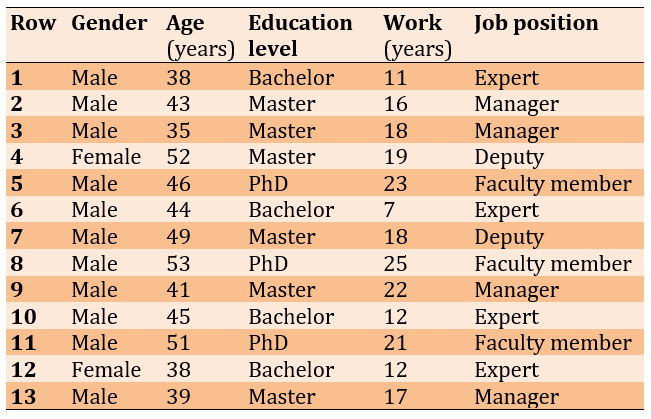
This qualitative study employed the grounded theory approach and was performed on experts and specialists familiar with the field of sport for veterans and persons with disabilities in Iran, which included managers and specialists from organizations responsible for veterans and disability sports at the provincial level, directors and deputies of Departments of Sports and Youth, managers across different levels of the Federation of Veterans and Disabled Sports, presidents of provincial veterans’ sport committees, university faculty members in sport sciences and sociology, and researchers active in adapted sport and rehabilitation. From this population, 13 participants with a mean age of 44.2±7.9 years and 17 years of work experience were selected through purposive and snowball sampling (Table 1).
Table 1. Demographic characteristics of participants
Data collection included a literature review, analysis of relevant policy documents and national-level directives concerning veterans and disability sport in Iran, and in-depth, semi-structured interviews. Data saturation was observed after the sixth interview, with complete saturation achieved by the eleventh interview; nevertheless, interviews continued until the thirteenth participant to ensure robustness. The in-depth interviews began with questions addressing the causal, intervening, and contextual conditions influencing the development of sport for veterans and persons with disabilities in Iran. Additional questions were iteratively developed based on participant responses and the categories of the Strauss and Corbin paradigm. Data analysis followed the three main coding stages of the systematic grounded theory approach: open coding, axial coding, and selective coding, enabling the identification, categorization, and integration of emergent themes and concepts. The initial interviews were conducted using an exploratory and descriptive approach, and the data-coding process commenced immediately after each interview. To extract theoretical codes, the constant comparative method was employed. Accordingly, open coding was undertaken through a detailed decomposition and rigorous analysis of the data. In this phase, coding of 13 interviews, along with findings from the literature review, was completed.
Validity was assessed through member checking. The findings and the draft of the generated theory were shared with the participants, and their corrective and critical feedback was incorporated into the final analysis. Additionally, the final version of the theory was reviewed by academic supervisors and subject-matter experts, and their recommendations for refining and completing the conceptual framework were incorporated. Reliability in qualitative research, analogous to reproducibility in quantitative studies, indicates whether repeating the study procedures by another researcher would yield similar results. To ensure reliability, inter-coder agreement was employed. A second coder with a background in statistics and familiarity with qualitative methods participated in the coding process. Following training in coding procedures, both coders independently analyzed three interviews, and agreements and disagreements for each code were identified. Subsequently, the inter-coder agreement percentage was calculated as 100 × number of agreements / total number of codes = inter-coder agreement (%).
The total number of codes independently extracted by the two coders (the researcher and the research assistant) was 329. Among these, 156 codes were identified as shared (complete agreement), while 34 codes showed disagreement. Specifically, in the second interview, there were 46 agreements and 13 disagreements across 98 data units, yielding a test-retest reliability of 93%. In the ninth interview, there were 61 agreements and 10 disagreements out of 128 data units, with a test-retest reliability of 95%. Test-retest reliability within individual interviews thus ranged from 93% to 95%. Overall, the inter-coder reliability, calculated across all three interviews using the formula above, was 94.8%. Since this value exceeded the commonly accepted threshold of 60%, the coding process was considered reliable [22].
Findings
After consolidating and refining the interview data, 365 primary codes and 142 secondary codes were identified. Through subsequent refinement and categorization, these were organized into 64 concepts and 28 subcategories, which were ultimately consolidated into 13 main categories.
Step one was open coding, which included three stages. In the initial stage, all interviews underwent initial coding.
In the subsequent stage (secondary coding and category development), the initial (open) codes were systematically refined into secondary codes. These secondary codes were then further abstracted into higher-level concepts, which were ultimately integrated into broader categories. This hierarchical process of abstraction enabled the systematic organization and conceptual consolidation of the data.
The results of the open coding phase—including secondary coding, conceptualization, and category development—are presented in the following section (Table 2). After identifying the subcategories, the next stage was the development of the core, or theoretical, categories (Table 3).
Table 2. Secondary coding, conceptual coding, and category formation
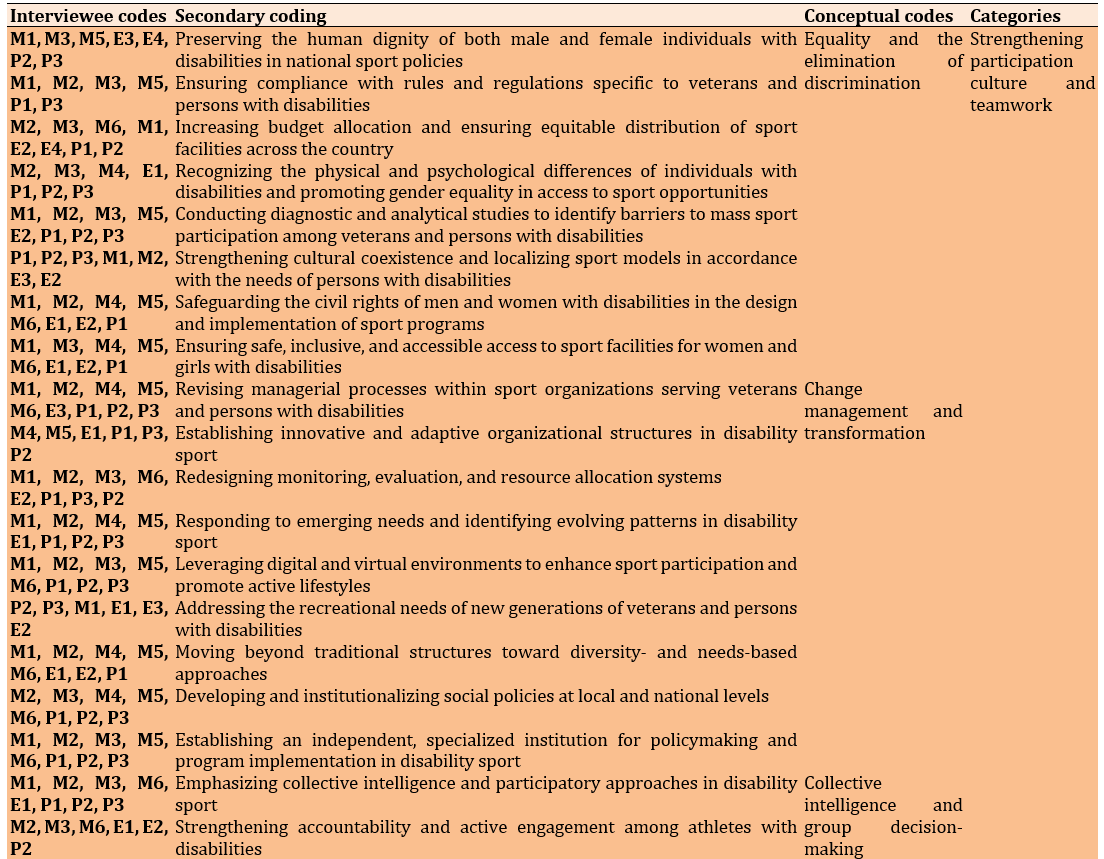
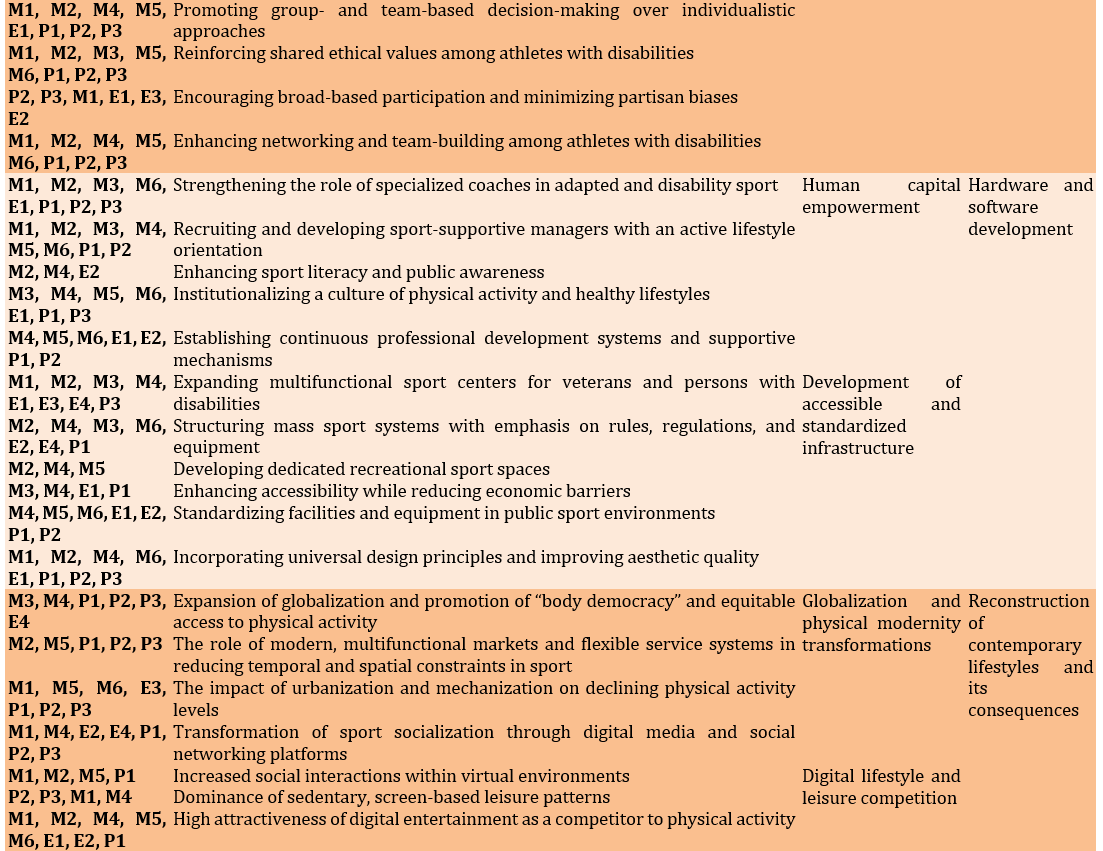
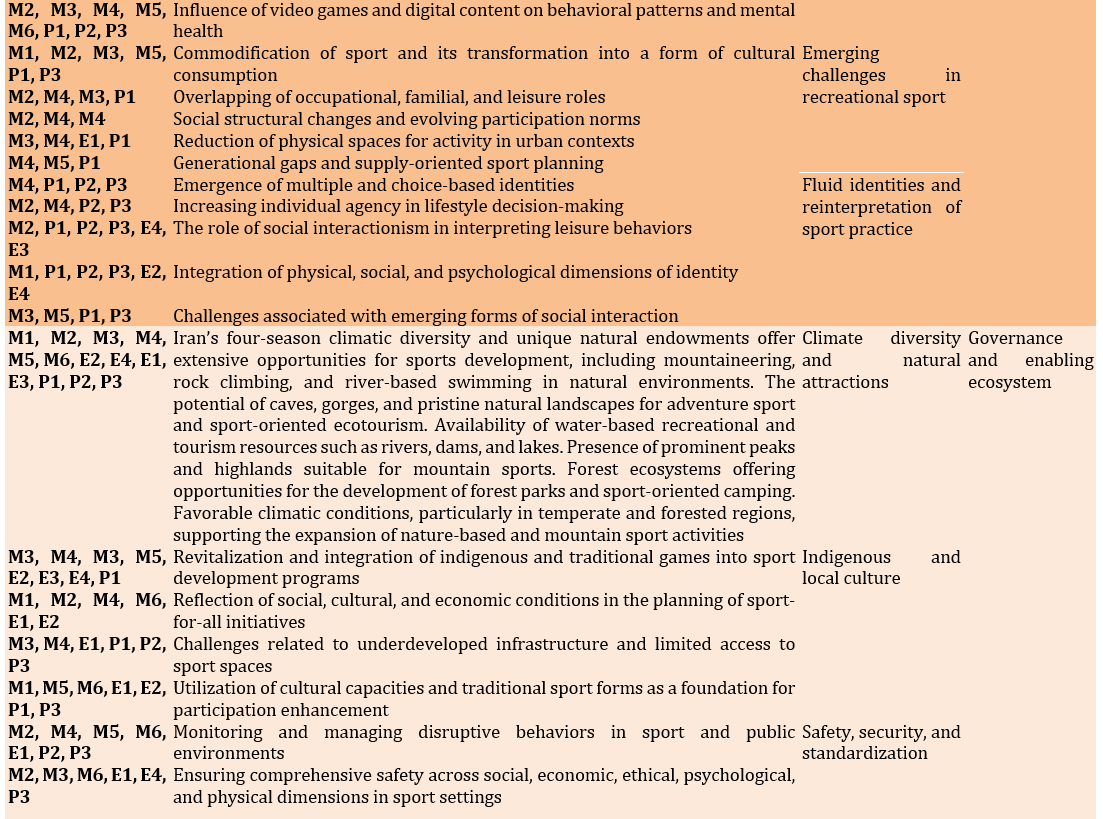
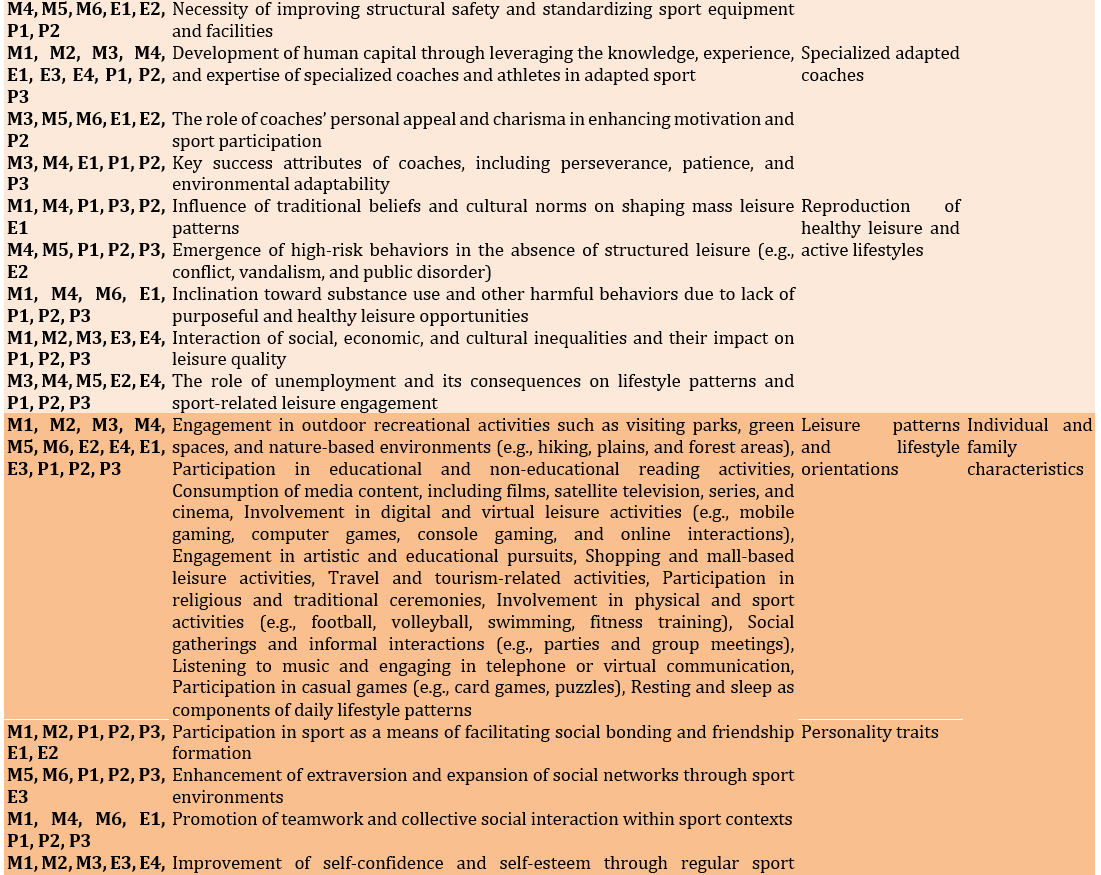
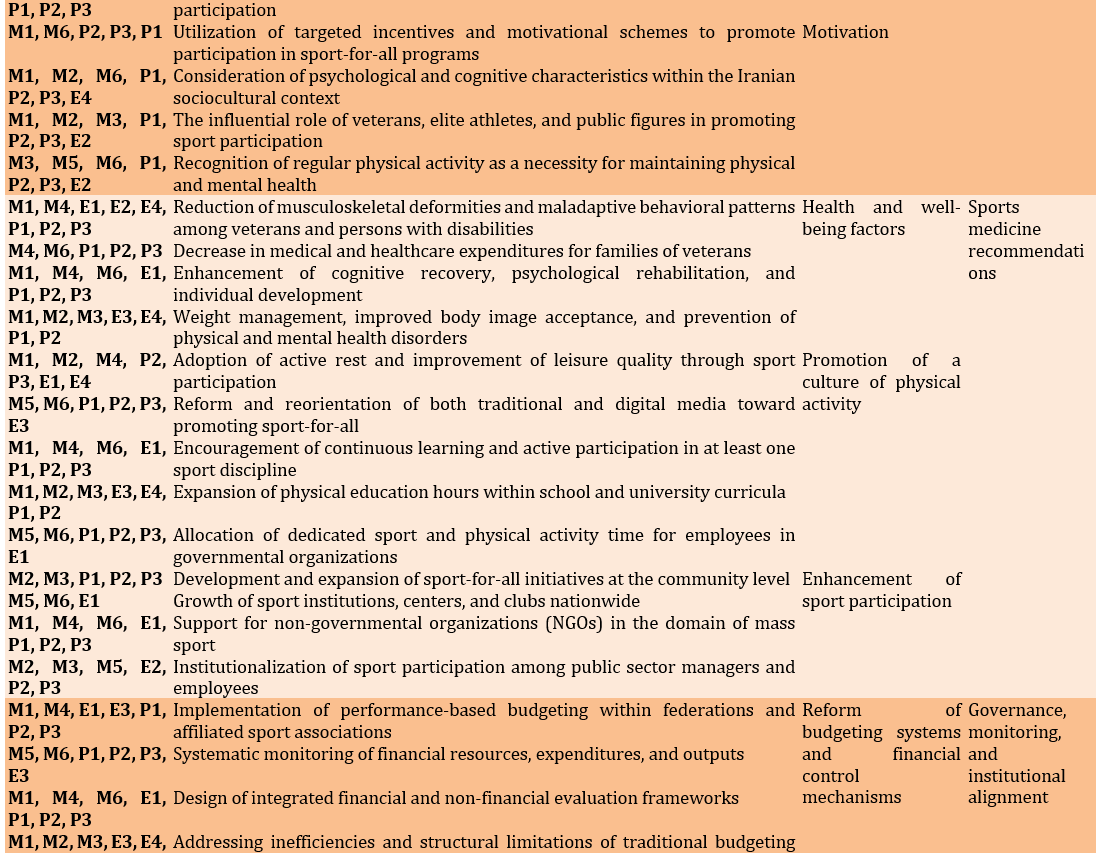
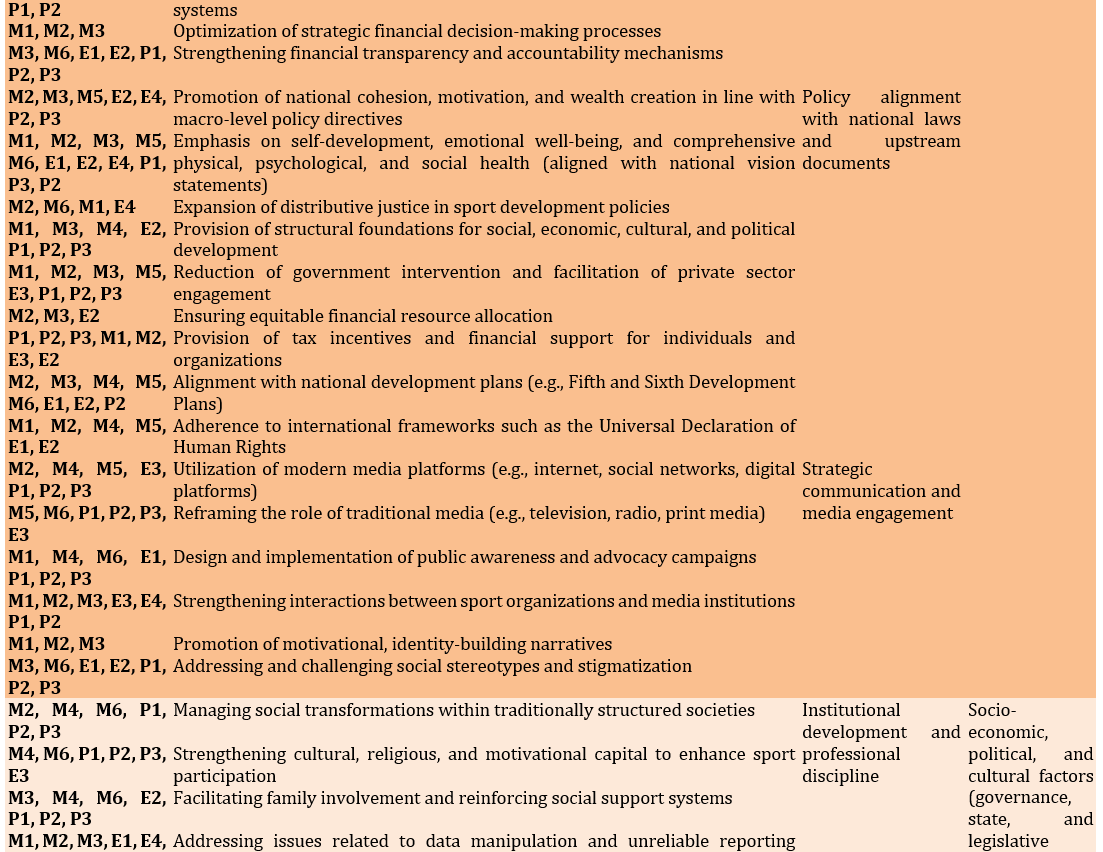
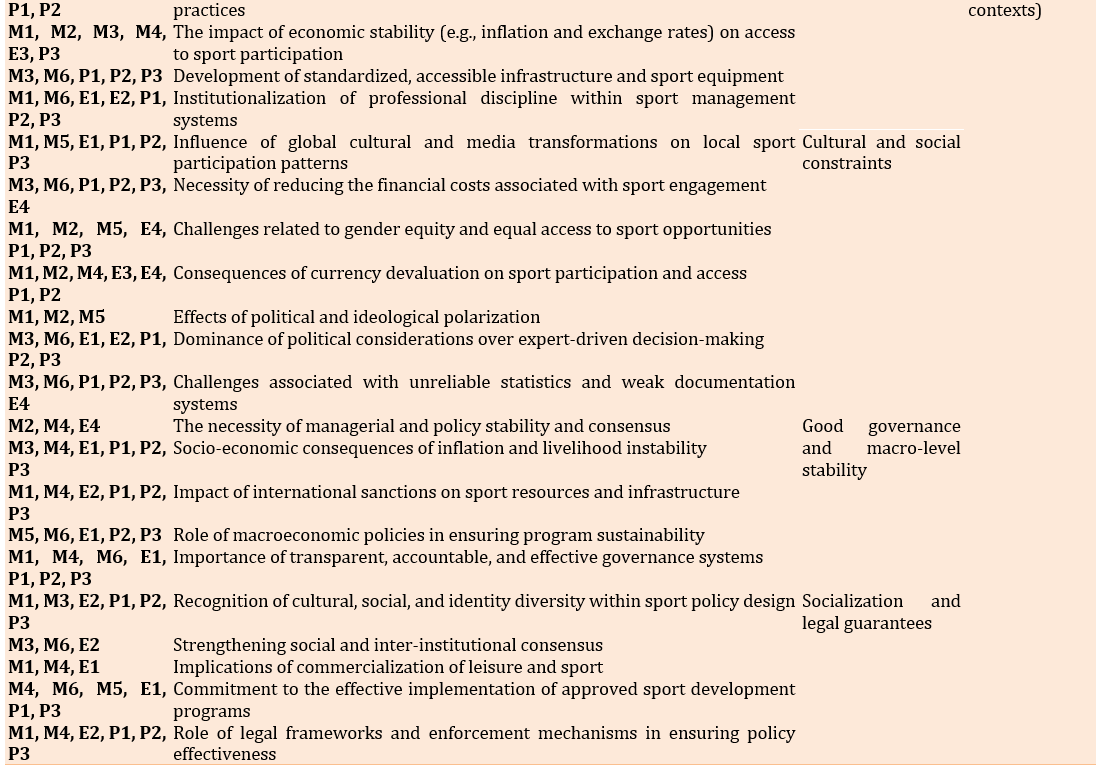
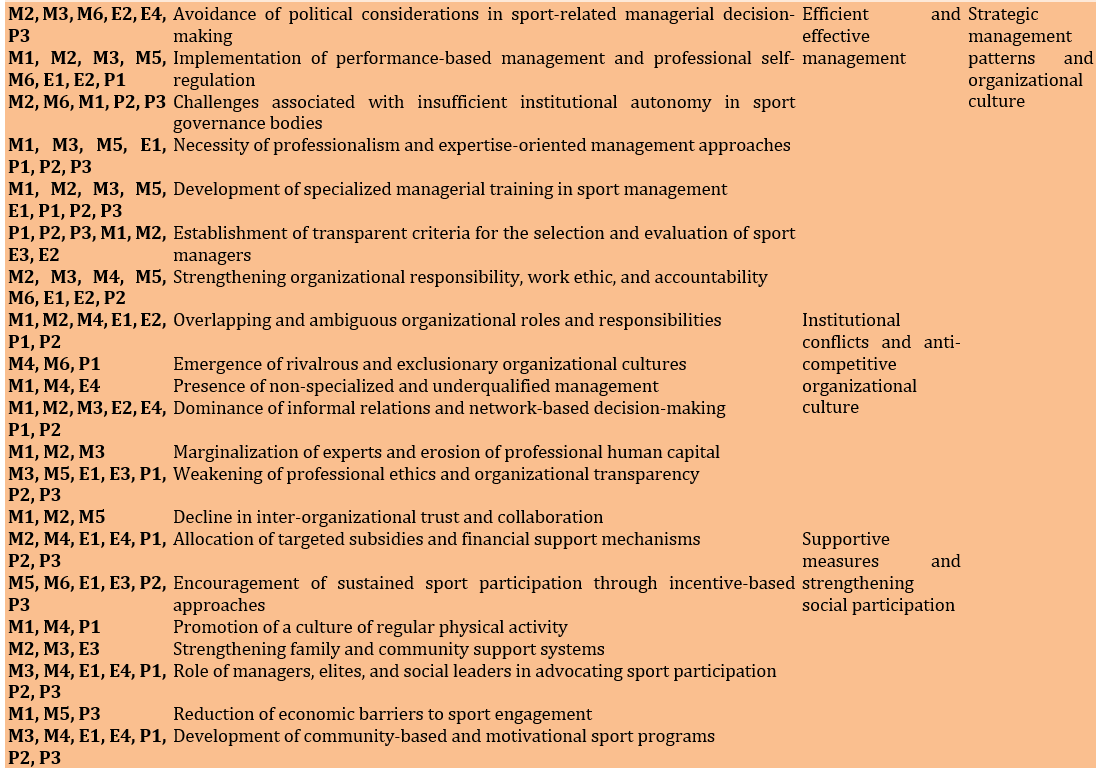
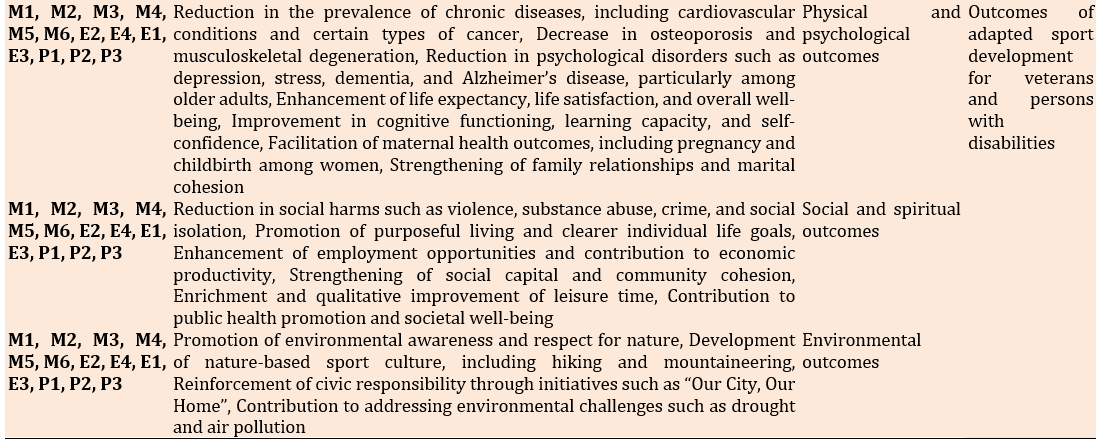
Table 3. Core categories of the theory
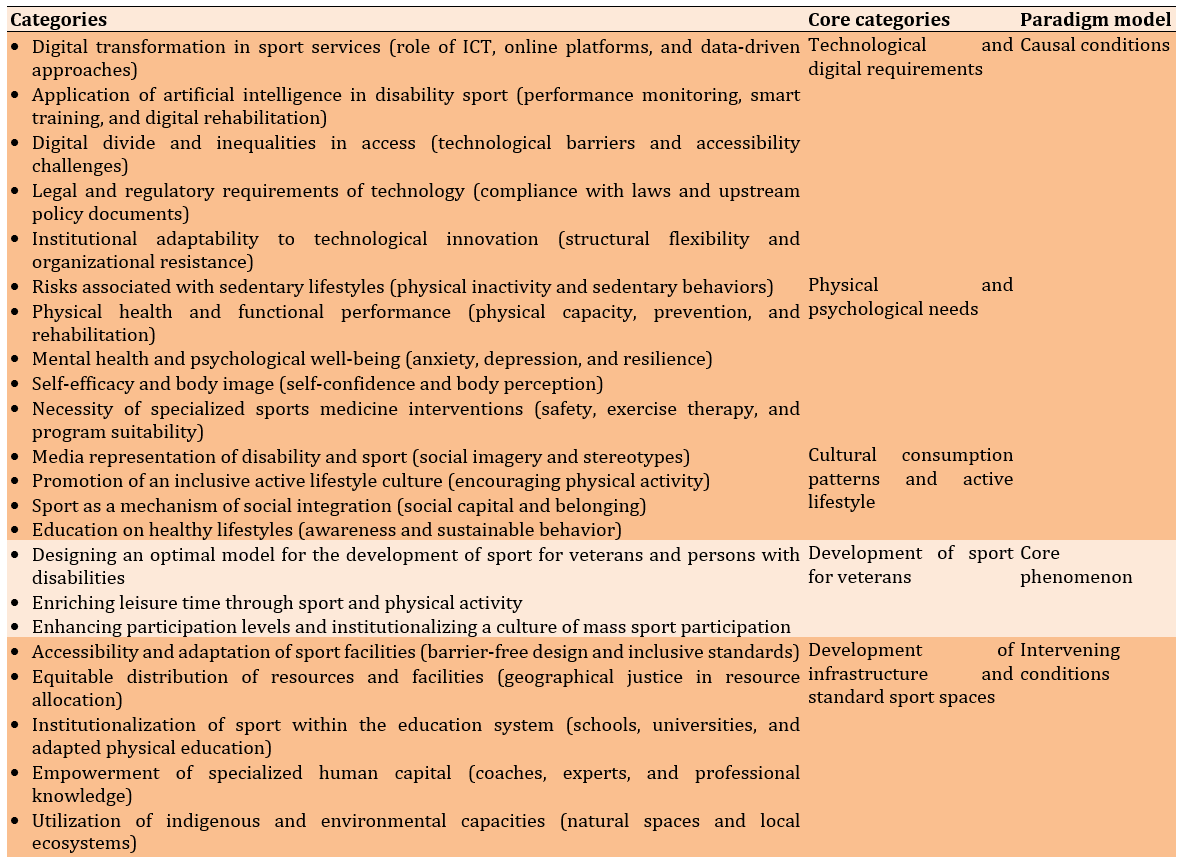
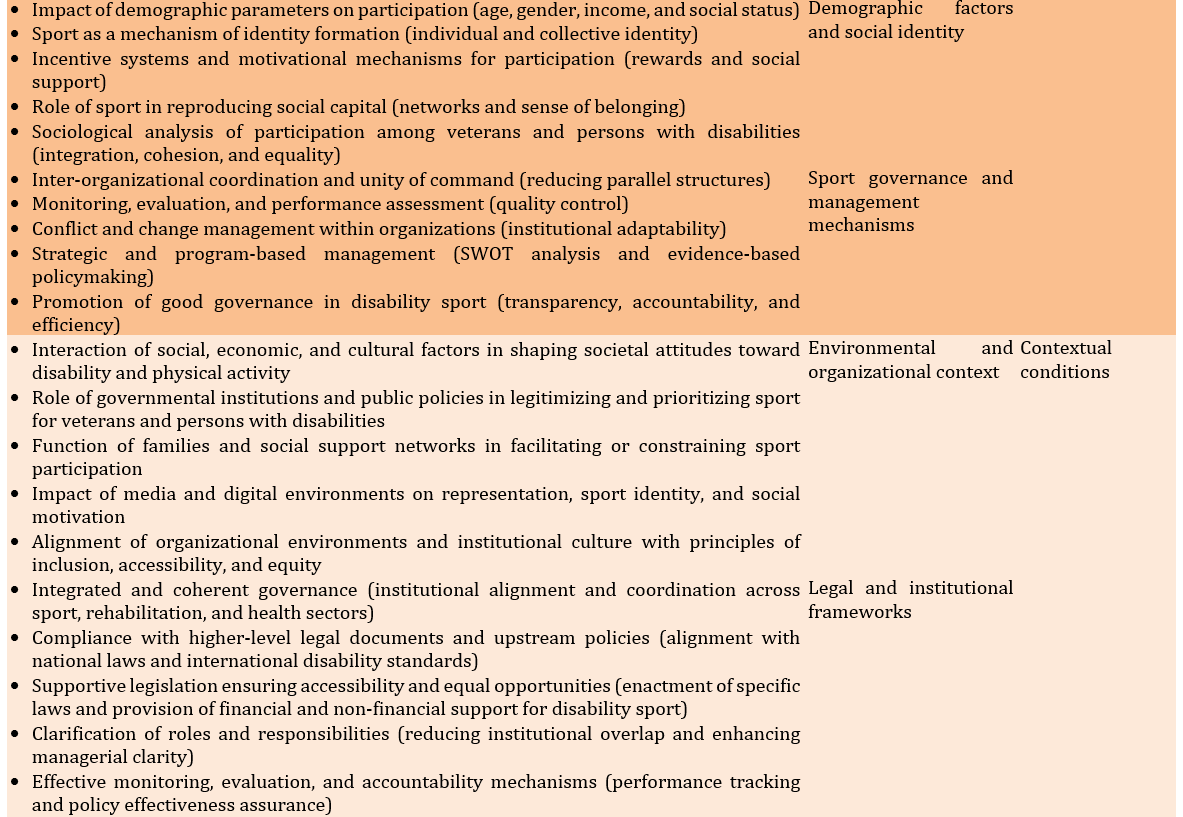
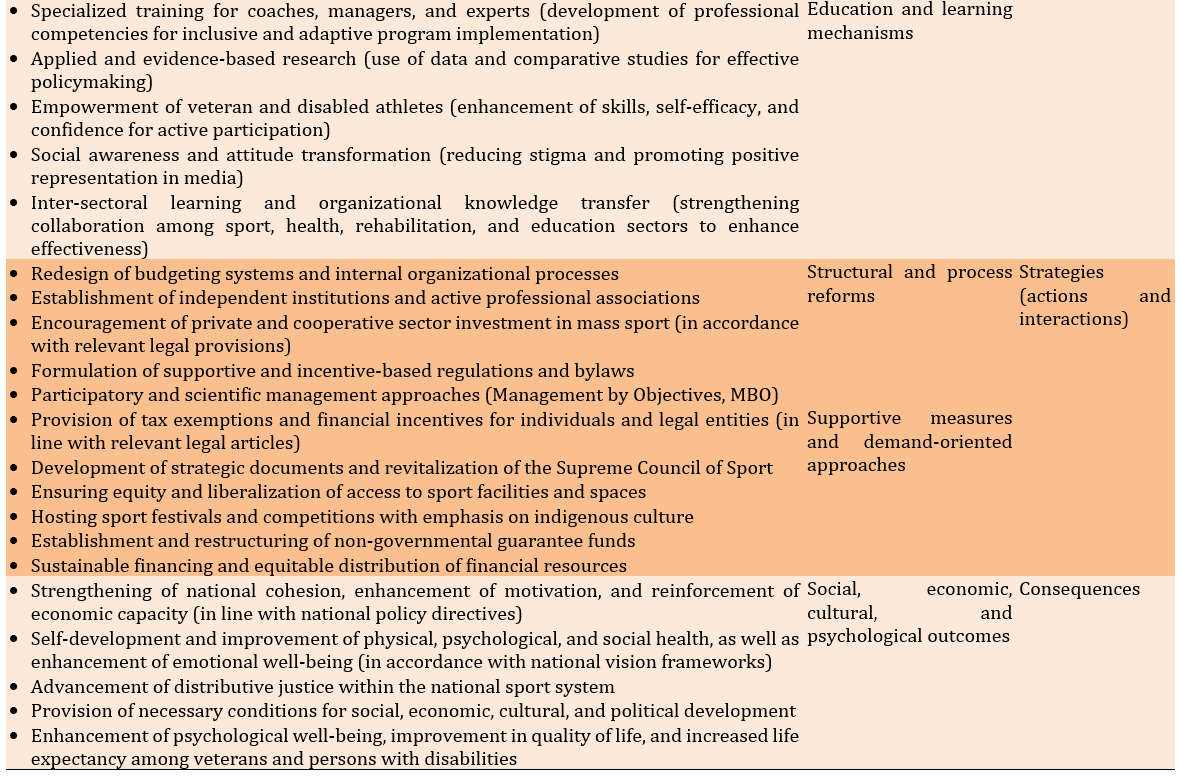
Step two was axial coding, aimed at establishing relationships among the codes generated during the open coding phase and guided by the paradigm model, enabling the researcher to navigate the theory-building process more systematically and coherently. Based on the literature review findings, analysis of upstream policy documents, and in-depth semi-structured interviews, 13 key categories influencing the development of sport for veterans and persons with disabilities in Iran were identified. These categories included technological and digital requirements; physical and psychological needs; cultural consumption patterns and active lifestyle; development of sport for veterans and persons with disabilities; development of standard sport infrastructures and facilities (in accordance with Clause 12 of Social Affairs and the opinion of the Integrated Planning Committee); demographic factors and social identity; sport management and governance mechanisms; environmental and organizational context; legal and institutional frameworks; education and learning mechanisms; structural and process reforms; supportive measures and demand-oriented approaches; and social, economic, cultural, and psychological outcomes (Figure 1).
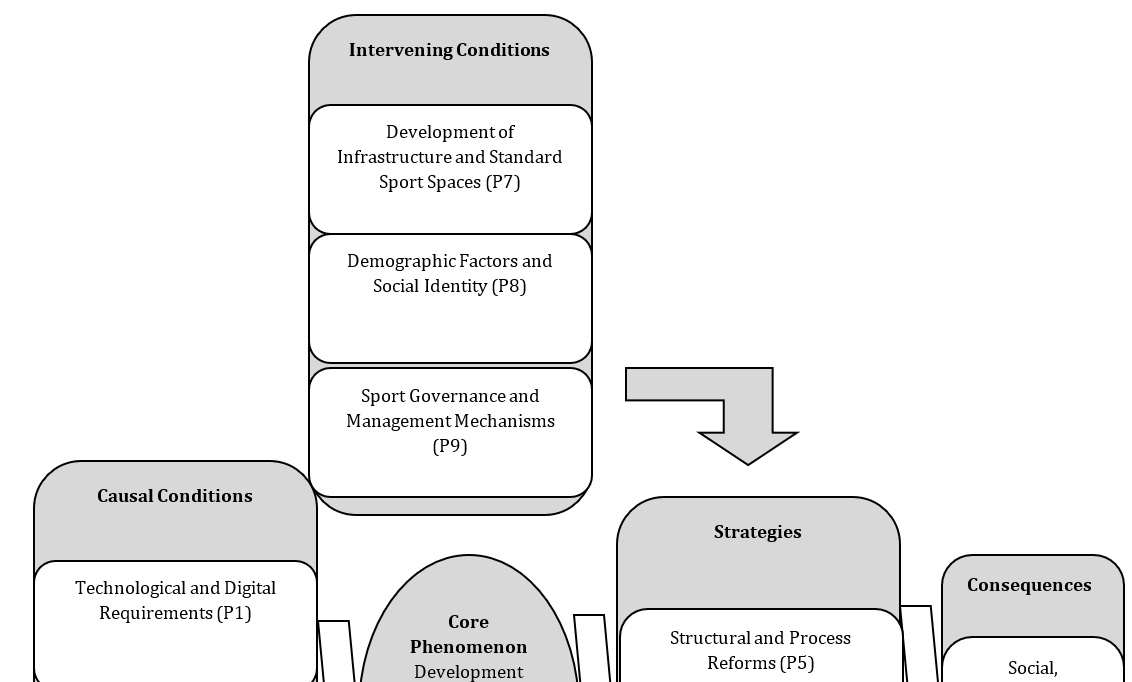
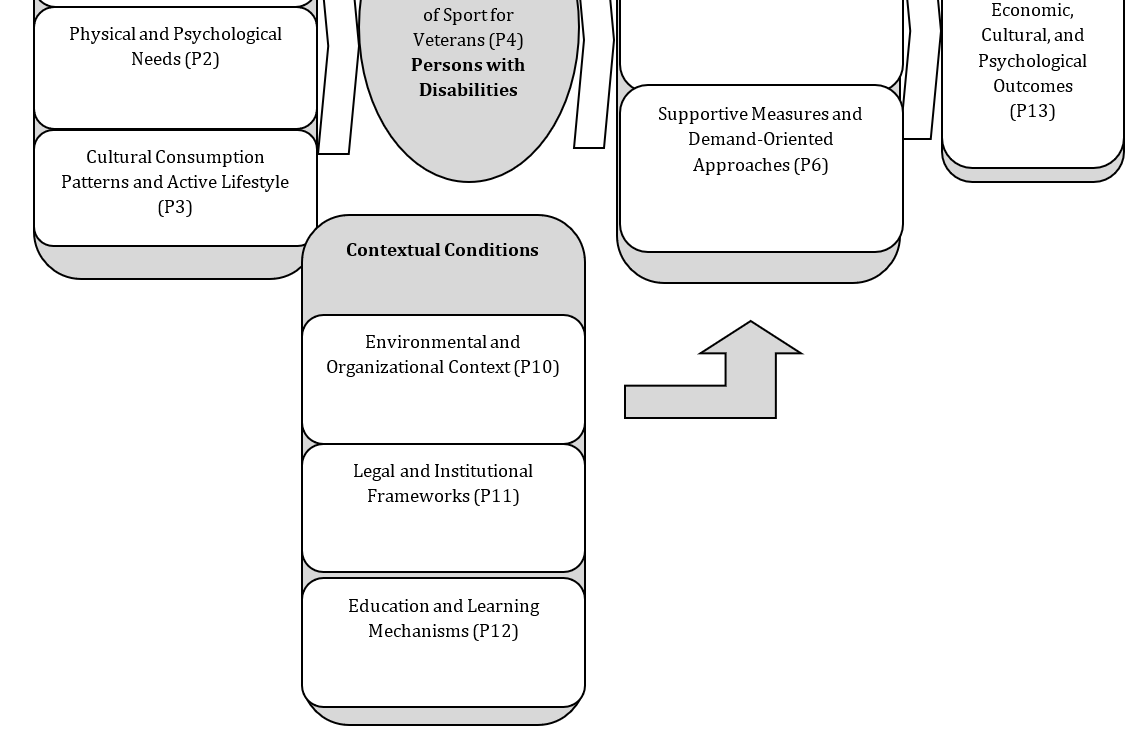
Figure 1. Axial coding based on the paradigmatic model (the development of sports for veterans and individuals with disabilities)
Step 3 was explanation and theorization (selective coding). To transform codes and analytical findings into a theory, the stages of coding must proceed systematically and in an interrelated manner. The selective coding stage, grounded in the findings of the previous two coding phases, is regarded as the central step in the theorization process. At this stage, the core category was systematically and integratively linked to other codes and coding stages, and the relationships among them were articulated within a conceptual framework or model. Furthermore, components requiring further development or refinement were revisited and revised accordingly.
Discussion
This study aimed to examine the mechanisms underlying the development of sports for veterans and individuals with disabilities in Iran. After the literature review, higher-level policy documents, and in-depth semi-structured interviews, and following systematic data categorization, 13 key categories were identified and extracted. These categories included technological and digital requirements; physical and psychological needs; cultural consumption patterns and active lifestyles; development of sport for veterans and persons with disabilities; development of standard sport infrastructures and facilities; demographic factors and social identity; sport management and governance mechanisms; environmental and organizational context; legal and institutional frameworks; education and learning mechanisms; structural and process reforms; supportive measures and demand-oriented approaches; and social, economic, cultural, and psychological outcomes.
Within the framework of the paradigmatic model proposed by Strauss and Corbin, causal conditions are those that give rise to the central phenomenon [24]. “Technological and digital requirements (P1)”, “physical and psychological needs (P2)”, and “cultural consumption patterns and active lifestyles (P3)” were identified as causal conditions, each comprising several subcategories. The central phenomenon, as the core category, represents the focal point of theorizing and the foundation of the analytical model. Recurrence of concepts in the data and theoretical support, “the development of sports for veterans and individuals with disabilities in Iran (P4)”, was identified as the core category [23]. The causal conditions contributed to the emergence, significance, and expansion of this phenomenon; in other words, social challenges and technological transformations have created a context in which the development of sports for veterans and individuals with disabilities has become a necessity.
Action and interaction (strategies) are defined as purposeful actions undertaken in response to the central phenomenon and shaped by intervening and contextual conditions. Strategies, such as “structural and process-oriented reforms (P5)” and “supportive measures and demand-oriented approaches (P6)” within governing institutions, were identified as key to achieving sustainable development in this domain. Intervening conditions are parameters that mediate the relationship between the central phenomenon and the strategies. In this model, factors such as “the development of standardized sports infrastructure and facilities (P7)”, “demographic factors and social identity (P8)”, and “sports management and governance mechanisms (P9)” were identified as intervening conditions. Contextual conditions include a set of parameters that indirectly influence actions and interactions. “Environmental and organizational factors (P10)”, “legal and regulatory frameworks (P11)”, and “education and learning mechanisms (P12)” were considered contextual elements within the paradigmatic model. Finally, outcomes are the changes and results that arise from implementing strategies and actions. The outcomes of actions and interactions were categorized as “social, economic, cultural, and psychological consequences (P13)”, which reflect the partial realization of the objectives of developing sports for veterans and individuals with disabilities in Iran.
At the center of this study is the core phenomenon, “the development of sport for veterans and persons with disabilities in Iran,” emerging from complex interactions among causal conditions, intervening factors, and contextual settings. This finding is consistent with that of Ghoreishi et al., who report “the development of public sport participation” as the core category [25]. However, our model uniquely emphasized institutional governance and localization mechanisms within Iran’s context. Hosseinzadeh Gonabadi et al. indicate that managerial, social, economic, and individual factors simultaneously function as barriers and drivers of participation, consistent with our model’s “dynamic interaction of factors at micro and macro levels" [26].
Our model, by operationally distinguishing intervening conditions from contextual backgrounds, provides greater explanatory capacity for interventions. Sport development necessitates qualitative improvements, sustainable empowerment, standardized infrastructure, and strengthened institutional governance. The core phenomenon functions as a unifying axis [11], but our model introduced “local supportive institutions” and “social feedback mechanisms” as the missing link in Iranian sport policymaking.
Among intervening conditions, structural and demographic parameters are crucial. Standardized infrastructure ensures accessibility and quality. Demographic characteristics—age, gender, disability type/severity, and cultural capital—must underpin targeted policies. Faraji et al. report that 37.6% of veterans with extremity disorders participate in sport (65% for bilateral upper limb amputation), with participation decreasing by age but increasing with disability severity [27]. This suggests “lived experience with disability” may act as compensatory motivation. Sport governance mechanisms ensure effectiveness, yet their absence in Iran represents a major structural barrier [28].
Operational actions include “structural-processual reforms” and “supportive demand-driven measures.” Structural reforms create sustainable legal frameworks; supportive measures include financial assistance, motivational programs, and cultural and sports events. These strategies bridge the gap between intervening conditions and the core phenomenon, thereby impacting quality of life and community engagement [29]. Without coordination between these two levels, neither is sustainable. The contextual background comprises organizational factors, legal frameworks, and educational mechanisms. Legal voids and institutional misalignment challenge implementation, especially in underserved areas. Learning mechanisms establish a sustainable sport culture [30]. Ghoreishi et al. show high conceptual overlap with our model [25], but our precise distinction between the “micro level (individual-family)” and the “macro level (institutional-trans-institutional)” offers greater policy-prescriptive capacity. Consequences include improved physical/mental health, enhanced social welfare, increased participation, strengthened cultural identity, and improved quality of life. Strategy success, supported by intervening and contextual conditions, leads to tangible positive changes. This aligns with Hosseinzadeh Gonabadi et al. (“social growth and organizational success”) [26], but our model emphasized that organizational success requires social growth, with sustainable development centered on the “empowerment of individual and social agency” among athletes. Thus, our model serves as a theoretical-practical framework for integrated policymaking, localized planning, and the effective evaluation of sport development for disability groups in Iran.
This study has several limitations, including the predominance of male participants (84.6%), a small sample size (13 participants), and a cross-sectional design that does not account for the effects of sanctions and inflation. Furthermore, the theoretical model has not been empirically tested in practice, and the study focuses solely on veterans of the Iran-Iraq War. The model also lacks quantitative evaluation indicators and does not address the implementation contradictions between national policy documents and the responsible organizations. Future research should address these shortcomings.
To develop sports for Iranian veterans and individuals with disabilities, ten operational recommendations are proposed. A strategic plan should be developed for both mass and elite sports, using IPC standards adapted to national conditions and accompanied by measurable performance indicators. Human resources and coaches should be empowered through specialized training, motivational courses, and incentive systems and a national and provincial media network should be established to produce educational content, train journalists, and launch an information system for athletes and families. Also, a needs-based approach should be adopted via field studies, with program designs based on athletes’ physical and psychosocial profiles and personalized protocols, and intersectoral cooperation should be strengthened through provincial councils, unified policy documents, and monitoring mechanisms. In addition, infrastructure should be optimized by partnering with public and private entities, improving accessibility, and investing in appropriate equipment and equitable resource distribution must be ensured based on needs and regional disability populations; gender biases must be reduced, and inclusive recreational programs must be developed. Also, diverse events should be organized, including elite competitions, festivals, indigenous games, ecotourism, virtual activities, and group rehabilitation programs and financial support and private sector involvement should be encouraged through support funds, tax incentives, and NGO partnerships. Finally, continuous monitoring and evaluation should be implemented using health and social participation indicators, data analysis, and annual reporting.
Conclusion
Sport development for veterans with disabilities in Iran results from complex interactions among technology, human needs, governance, infrastructure, legal frameworks, and supportive actions.
Acknowledgments: The authors sincerely thank all the participants involved in this research, especially the veterans and individuals with disabilities in Iran.
Ethical Permissions: The authors declared that all relevant ethical principles were observed in this study, including ensuring data confidentiality, obtaining written informed consent from participants, and respecting their right to withdraw from the research at any stage.
Conflicts of Interest: The authors declared no conflicts of interest.
Authors' Contribution: Rezaei Sh (First Author), Introduction Writer/Methodologist/Main Researcher/Discussion Writer/Statistical Analyst (100%)
Funding/Support: The present study was not financially supported.
War, as one of the most complex and destructive forms of human conflict, represents a multifaceted phenomenon with extensive biological, psychological, social, and economic consequences. Such events not only disrupt societies’ physical and economic infrastructure but also leave profound and lasting impacts on individuals’ physical health, mental well-being, and social functioning. Prolonged exposure to life-threatening situations, violence, loss, injury, and social instability generates a range of enduring impairments that often persist beyond the official cessation of hostilities [1]. Iran’s historical experience during the Iran–Iraq War (1980-1988) exemplifies these widespread consequences. This eight-year conflict, in addition to causing substantial economic and infrastructural damage, imposed a heavy burden of human suffering on Iranian society. According to the Foundation of Martyrs and Veterans Affairs (FMVA) (2023), between 213,000 and 225,000 Iranian citizens were martyred, and more than 574,000 were officially registered as veterans, of whom over 260,000 have a disability rating exceeding 25%. These statistics indicate the emergence of a significant population of individuals with physical, psychological, or combined impairments who require ongoing medical, rehabilitative, social, and psychological support. War veterans represent one of the most affected groups and face multidimensional challenges. Based on the nature and severity of their injuries, they are categorized into groups such as neuropsychiatric, chemical, amputee, special, and combined disabilities. These impairments produce not only physical consequences (e.g., limb loss, chronic pain, motor dysfunction) but also psychological (e.g., anxiety, depression, post-traumatic stress disorder (PTSD)), social (e.g., social isolation, role disruption), and occupational outcomes (e.g., reduced productivity, limited participation) [2]. Research further indicates that secondary consequences of war-related injuries—including reduced quality of life, impaired psychological adaptation, and increased caregiving burden on families—constitute major public health concerns in post-conflict societies [3].
A substantial proportion of veterans and persons with disabilities experience chronic physical and motor limitations. These limitations often include overweight and obesity, reduced mobility, musculoskeletal abnormalities, chronic pain, and diminished functional capacity [4]. The consequences of these impairments extend beyond physical health, profoundly affecting individuals’ personal and social lives. Reduced mobility and functional decline can undermine personal independence, decrease social participation, limit the fulfillment of family roles, and increase dependency. The co-occurrence of physical challenges with psychological issues such as anxiety, depression, and diminished self-esteem exacerbates a cycle of social restriction and reduced quality of life [2]. Within this context, sport and physical activity serve as multidimensional, non-medical interventions that play a pivotal role in enhancing physical health, facilitating psychological rehabilitation, and improving overall quality of life for individuals with physical and motor impairments. Regular participation in sport activities enhances physical fitness, improves functional capacity, reduces metabolic complications, promotes emotional regulation, and strengthens psychological resilience [3]. From a physiological perspective, regular physical activity contributes to improved cardiovascular performance, weight management, the prevention of chronic diseases, such as type 2 diabetes and obesity, strengthened immune function, increased longevity, and better sleep quality [5].
Moreover, sport offers social and psychological benefits by fostering social interaction, reconstructing personal identity, and enhancing self-efficacy and social capital [6]. Psychologically, sport can reduce stress, improve body image, increase life satisfaction, motivation, and personal self-efficacy, and promote overall mental health [3]. The World Health Organization (WHO) and UNICEF recognize sport as a fundamental human right and an effective means to promote social participation, social capital, and an active lifestyle, highlighting its critical importance for vulnerable populations, including veterans and persons with disabilities [7, 8]. Despite these well-documented benefits, participation by veterans and individuals with disabilities in sports activities continues to face structural, social, and economic barriers. International evidence indicates that financial constraints, social and gender inequalities, institutional discrimination, inadequate infrastructure, and the lack of cohesive, integrated policy frameworks are among the primary obstacles to sustained access to sport for these populations [3, 9]. These barriers are particularly pronounced for female veterans and persons with disabilities, hindering their full engagement in the physical, psychological, and social aspects of sport. Such obstacles not only affect sport participation but also restrict opportunities for rehabilitation, quality-of-life enhancement, and social integration, underscoring the need for targeted policies and strategic planning to address these limitations [2].
In addition, the scarcity of empirical, locally grounded research on the effectiveness of adapted sport programs poses significant challenges for policy design and program planning. This situation emphasizes the urgent need for evidence-based, contextually relevant studies tailored to national and cultural conditions [10]. According to WHO, approximately 31% of adults and 80% of adolescents worldwide do not engage in sufficient physical activity, and female participation is 5% lower than that of males. This gap is particularly pronounced in low- and middle-income countries, among older adults, and within populations with physical impairments [7]. In Iran, despite the formulation of high-level policy documents such as the “Comprehensive Scientific Map of the Country” and the “Strategic Plan for the Development of Mass Sport,” over 75% of the population does not engage in regular physical activity, and women’s participation is approximately 10% lower than men’s [11]. These statistics highlight the critical need for focused sport development, particularly for vulnerable groups and individuals with physical impairments, requiring precise planning, adequate infrastructure, and targeted interventions. Research indicates that the development of sport for veterans and persons with disabilities can be enhanced through a set of facilitating factors. Key enablers include legal and institutional support, training for specialized coaches, multi-level information dissemination and promotion, active family involvement, access to appropriate sports facilities, and the design and implementation of adapted sports programs [12, 13]. International experience similarly demonstrates that economic, social, cultural, political, and technological drivers play decisive roles in the success of adapted sport programs. Without leveraging these factors, sustainable access and ongoing participation remain limited. Additionally, low-cost, group-based activities such as walking, mass-participation sports, online training, and hybrid programs can significantly enhance psychological resilience, social interactions, and support networks for veterans and persons with disabilities [14]. The use of modern technologies and digital tools, particularly in adapted sport, increasingly facilitates access and participation. Online programs, training applications, and activity-tracking devices not only enhance participants’ motivation and self-efficacy but also allow performance monitoring, personalized feedback, and tailored exercise programming based on individual needs [15].
Moreover, integrating adapted sport with advanced rehabilitation methods—including sports physiotherapy and neuroscience-based strengthening programs—can substantially improve the effectiveness of interventions and physical performance. Scientifically and practically, designing training and sport programs tailored to the type of injury, severity of disability, and individuals’ psychological and social needs is critical, providing a pathway to improved physical, psychological, and social health [16].
Recent studies demonstrate that participation in goal-oriented and needs-adapted exercise programs yields broad positive effects on physical health, social interaction, and psychosocial integration among veterans and persons with disabilities [17]. Ávila-Gámiz et al. report that physical and mental exercises have a significant positive effect on hippocampal neurogenesis [18]. Kheiri et al. [3] and Rezaei et al. [2] found that aquatic exercise significantly improves emotional intelligence, quality of life, emotional expression abilities, and sleep quality among inactive veterans in Ilam. These findings underscore the importance of targeted and adapted exercise programs for improving physical, psychological, and neurological functioning in individuals with physical impairments and veterans. Mackintosh et al. demonstrated that participation in sporting events such as the Invictus Games facilitates identity redefinition, enhances mental health, and strengthens the sense of social belonging among veterans with disabilities, positioning sport as an effective tool for social rehabilitation [19]. Similarly, Ahmadi et al. found that higher athletic performance among athletes with disabilities, including veterans, is associated with better physical, psychological, and social quality of life, emphasizing the key role of regular sport participation in improving physical and mental function and enhancing social capital [20]. Furthermore, Ward reported that team and collective sports can reduce symptoms of PTSD among veterans, enhance peer support, and increase motivation to reengage in social roles. These findings indicate that targeted planning of adapted sport programs, with an emphasis on group-based activities, can substantially improve veterans’ mental health and social integration [21]. Collectively, this body of evidence highlights the necessity of designing sport programs tailored to the physical, psychological, and social needs of veterans and persons with disabilities. Providing standardized infrastructure, training specialized coaches, leveraging modern technologies, and creating opportunities for group and adapted sport are among the most effective strategies for developing sport participation among these populations. Such interventions not only promote physical and mental health but also help reduce social harm, enhance active community participation, and improve overall quality of life at the societal level [6].
Mass sport is recognized as one of the most effective tools for promoting public health and fostering sustainable social development. Given the extensive social, health, and economic consequences of physical inactivity and motor deficiencies, continued trends may lead to increased healthcare costs, reduced workforce productivity, and exacerbated social harms.
Accordingly, this study aimed to identify and analyze the factors influencing the development of sport for veterans and persons with disabilities in Iran and to provide scientific and practical recommendations. The study sought to establish a foundation for designing targeted sports policies and programs that not only enhance the physical and psychological well-being of this population but also strengthen their social participation and resilience.
Instrument and Methods
This qualitative study employed the grounded theory approach and was performed on experts and specialists familiar with the field of sport for veterans and persons with disabilities in Iran, which included managers and specialists from organizations responsible for veterans and disability sports at the provincial level, directors and deputies of Departments of Sports and Youth, managers across different levels of the Federation of Veterans and Disabled Sports, presidents of provincial veterans’ sport committees, university faculty members in sport sciences and sociology, and researchers active in adapted sport and rehabilitation. From this population, 13 participants with a mean age of 44.2±7.9 years and 17 years of work experience were selected through purposive and snowball sampling (Table 1).
Table 1. Demographic characteristics of participants
Data collection included a literature review, analysis of relevant policy documents and national-level directives concerning veterans and disability sport in Iran, and in-depth, semi-structured interviews. Data saturation was observed after the sixth interview, with complete saturation achieved by the eleventh interview; nevertheless, interviews continued until the thirteenth participant to ensure robustness. The in-depth interviews began with questions addressing the causal, intervening, and contextual conditions influencing the development of sport for veterans and persons with disabilities in Iran. Additional questions were iteratively developed based on participant responses and the categories of the Strauss and Corbin paradigm. Data analysis followed the three main coding stages of the systematic grounded theory approach: open coding, axial coding, and selective coding, enabling the identification, categorization, and integration of emergent themes and concepts. The initial interviews were conducted using an exploratory and descriptive approach, and the data-coding process commenced immediately after each interview. To extract theoretical codes, the constant comparative method was employed. Accordingly, open coding was undertaken through a detailed decomposition and rigorous analysis of the data. In this phase, coding of 13 interviews, along with findings from the literature review, was completed.
Validity was assessed through member checking. The findings and the draft of the generated theory were shared with the participants, and their corrective and critical feedback was incorporated into the final analysis. Additionally, the final version of the theory was reviewed by academic supervisors and subject-matter experts, and their recommendations for refining and completing the conceptual framework were incorporated. Reliability in qualitative research, analogous to reproducibility in quantitative studies, indicates whether repeating the study procedures by another researcher would yield similar results. To ensure reliability, inter-coder agreement was employed. A second coder with a background in statistics and familiarity with qualitative methods participated in the coding process. Following training in coding procedures, both coders independently analyzed three interviews, and agreements and disagreements for each code were identified. Subsequently, the inter-coder agreement percentage was calculated as 100 × number of agreements / total number of codes = inter-coder agreement (%).
The total number of codes independently extracted by the two coders (the researcher and the research assistant) was 329. Among these, 156 codes were identified as shared (complete agreement), while 34 codes showed disagreement. Specifically, in the second interview, there were 46 agreements and 13 disagreements across 98 data units, yielding a test-retest reliability of 93%. In the ninth interview, there were 61 agreements and 10 disagreements out of 128 data units, with a test-retest reliability of 95%. Test-retest reliability within individual interviews thus ranged from 93% to 95%. Overall, the inter-coder reliability, calculated across all three interviews using the formula above, was 94.8%. Since this value exceeded the commonly accepted threshold of 60%, the coding process was considered reliable [22].
Findings
After consolidating and refining the interview data, 365 primary codes and 142 secondary codes were identified. Through subsequent refinement and categorization, these were organized into 64 concepts and 28 subcategories, which were ultimately consolidated into 13 main categories.
Step one was open coding, which included three stages. In the initial stage, all interviews underwent initial coding.
In the subsequent stage (secondary coding and category development), the initial (open) codes were systematically refined into secondary codes. These secondary codes were then further abstracted into higher-level concepts, which were ultimately integrated into broader categories. This hierarchical process of abstraction enabled the systematic organization and conceptual consolidation of the data.
The results of the open coding phase—including secondary coding, conceptualization, and category development—are presented in the following section (Table 2). After identifying the subcategories, the next stage was the development of the core, or theoretical, categories (Table 3).
Table 2. Secondary coding, conceptual coding, and category formation
Table 3. Core categories of the theory
Step two was axial coding, aimed at establishing relationships among the codes generated during the open coding phase and guided by the paradigm model, enabling the researcher to navigate the theory-building process more systematically and coherently. Based on the literature review findings, analysis of upstream policy documents, and in-depth semi-structured interviews, 13 key categories influencing the development of sport for veterans and persons with disabilities in Iran were identified. These categories included technological and digital requirements; physical and psychological needs; cultural consumption patterns and active lifestyle; development of sport for veterans and persons with disabilities; development of standard sport infrastructures and facilities (in accordance with Clause 12 of Social Affairs and the opinion of the Integrated Planning Committee); demographic factors and social identity; sport management and governance mechanisms; environmental and organizational context; legal and institutional frameworks; education and learning mechanisms; structural and process reforms; supportive measures and demand-oriented approaches; and social, economic, cultural, and psychological outcomes (Figure 1).
Figure 1. Axial coding based on the paradigmatic model (the development of sports for veterans and individuals with disabilities)
Step 3 was explanation and theorization (selective coding). To transform codes and analytical findings into a theory, the stages of coding must proceed systematically and in an interrelated manner. The selective coding stage, grounded in the findings of the previous two coding phases, is regarded as the central step in the theorization process. At this stage, the core category was systematically and integratively linked to other codes and coding stages, and the relationships among them were articulated within a conceptual framework or model. Furthermore, components requiring further development or refinement were revisited and revised accordingly.
Discussion
This study aimed to examine the mechanisms underlying the development of sports for veterans and individuals with disabilities in Iran. After the literature review, higher-level policy documents, and in-depth semi-structured interviews, and following systematic data categorization, 13 key categories were identified and extracted. These categories included technological and digital requirements; physical and psychological needs; cultural consumption patterns and active lifestyles; development of sport for veterans and persons with disabilities; development of standard sport infrastructures and facilities; demographic factors and social identity; sport management and governance mechanisms; environmental and organizational context; legal and institutional frameworks; education and learning mechanisms; structural and process reforms; supportive measures and demand-oriented approaches; and social, economic, cultural, and psychological outcomes.
Within the framework of the paradigmatic model proposed by Strauss and Corbin, causal conditions are those that give rise to the central phenomenon [24]. “Technological and digital requirements (P1)”, “physical and psychological needs (P2)”, and “cultural consumption patterns and active lifestyles (P3)” were identified as causal conditions, each comprising several subcategories. The central phenomenon, as the core category, represents the focal point of theorizing and the foundation of the analytical model. Recurrence of concepts in the data and theoretical support, “the development of sports for veterans and individuals with disabilities in Iran (P4)”, was identified as the core category [23]. The causal conditions contributed to the emergence, significance, and expansion of this phenomenon; in other words, social challenges and technological transformations have created a context in which the development of sports for veterans and individuals with disabilities has become a necessity.
Action and interaction (strategies) are defined as purposeful actions undertaken in response to the central phenomenon and shaped by intervening and contextual conditions. Strategies, such as “structural and process-oriented reforms (P5)” and “supportive measures and demand-oriented approaches (P6)” within governing institutions, were identified as key to achieving sustainable development in this domain. Intervening conditions are parameters that mediate the relationship between the central phenomenon and the strategies. In this model, factors such as “the development of standardized sports infrastructure and facilities (P7)”, “demographic factors and social identity (P8)”, and “sports management and governance mechanisms (P9)” were identified as intervening conditions. Contextual conditions include a set of parameters that indirectly influence actions and interactions. “Environmental and organizational factors (P10)”, “legal and regulatory frameworks (P11)”, and “education and learning mechanisms (P12)” were considered contextual elements within the paradigmatic model. Finally, outcomes are the changes and results that arise from implementing strategies and actions. The outcomes of actions and interactions were categorized as “social, economic, cultural, and psychological consequences (P13)”, which reflect the partial realization of the objectives of developing sports for veterans and individuals with disabilities in Iran.
At the center of this study is the core phenomenon, “the development of sport for veterans and persons with disabilities in Iran,” emerging from complex interactions among causal conditions, intervening factors, and contextual settings. This finding is consistent with that of Ghoreishi et al., who report “the development of public sport participation” as the core category [25]. However, our model uniquely emphasized institutional governance and localization mechanisms within Iran’s context. Hosseinzadeh Gonabadi et al. indicate that managerial, social, economic, and individual factors simultaneously function as barriers and drivers of participation, consistent with our model’s “dynamic interaction of factors at micro and macro levels" [26].
Our model, by operationally distinguishing intervening conditions from contextual backgrounds, provides greater explanatory capacity for interventions. Sport development necessitates qualitative improvements, sustainable empowerment, standardized infrastructure, and strengthened institutional governance. The core phenomenon functions as a unifying axis [11], but our model introduced “local supportive institutions” and “social feedback mechanisms” as the missing link in Iranian sport policymaking.
Among intervening conditions, structural and demographic parameters are crucial. Standardized infrastructure ensures accessibility and quality. Demographic characteristics—age, gender, disability type/severity, and cultural capital—must underpin targeted policies. Faraji et al. report that 37.6% of veterans with extremity disorders participate in sport (65% for bilateral upper limb amputation), with participation decreasing by age but increasing with disability severity [27]. This suggests “lived experience with disability” may act as compensatory motivation. Sport governance mechanisms ensure effectiveness, yet their absence in Iran represents a major structural barrier [28].
Operational actions include “structural-processual reforms” and “supportive demand-driven measures.” Structural reforms create sustainable legal frameworks; supportive measures include financial assistance, motivational programs, and cultural and sports events. These strategies bridge the gap between intervening conditions and the core phenomenon, thereby impacting quality of life and community engagement [29]. Without coordination between these two levels, neither is sustainable. The contextual background comprises organizational factors, legal frameworks, and educational mechanisms. Legal voids and institutional misalignment challenge implementation, especially in underserved areas. Learning mechanisms establish a sustainable sport culture [30]. Ghoreishi et al. show high conceptual overlap with our model [25], but our precise distinction between the “micro level (individual-family)” and the “macro level (institutional-trans-institutional)” offers greater policy-prescriptive capacity. Consequences include improved physical/mental health, enhanced social welfare, increased participation, strengthened cultural identity, and improved quality of life. Strategy success, supported by intervening and contextual conditions, leads to tangible positive changes. This aligns with Hosseinzadeh Gonabadi et al. (“social growth and organizational success”) [26], but our model emphasized that organizational success requires social growth, with sustainable development centered on the “empowerment of individual and social agency” among athletes. Thus, our model serves as a theoretical-practical framework for integrated policymaking, localized planning, and the effective evaluation of sport development for disability groups in Iran.
This study has several limitations, including the predominance of male participants (84.6%), a small sample size (13 participants), and a cross-sectional design that does not account for the effects of sanctions and inflation. Furthermore, the theoretical model has not been empirically tested in practice, and the study focuses solely on veterans of the Iran-Iraq War. The model also lacks quantitative evaluation indicators and does not address the implementation contradictions between national policy documents and the responsible organizations. Future research should address these shortcomings.
To develop sports for Iranian veterans and individuals with disabilities, ten operational recommendations are proposed. A strategic plan should be developed for both mass and elite sports, using IPC standards adapted to national conditions and accompanied by measurable performance indicators. Human resources and coaches should be empowered through specialized training, motivational courses, and incentive systems and a national and provincial media network should be established to produce educational content, train journalists, and launch an information system for athletes and families. Also, a needs-based approach should be adopted via field studies, with program designs based on athletes’ physical and psychosocial profiles and personalized protocols, and intersectoral cooperation should be strengthened through provincial councils, unified policy documents, and monitoring mechanisms. In addition, infrastructure should be optimized by partnering with public and private entities, improving accessibility, and investing in appropriate equipment and equitable resource distribution must be ensured based on needs and regional disability populations; gender biases must be reduced, and inclusive recreational programs must be developed. Also, diverse events should be organized, including elite competitions, festivals, indigenous games, ecotourism, virtual activities, and group rehabilitation programs and financial support and private sector involvement should be encouraged through support funds, tax incentives, and NGO partnerships. Finally, continuous monitoring and evaluation should be implemented using health and social participation indicators, data analysis, and annual reporting.
Conclusion
Sport development for veterans with disabilities in Iran results from complex interactions among technology, human needs, governance, infrastructure, legal frameworks, and supportive actions.
Acknowledgments: The authors sincerely thank all the participants involved in this research, especially the veterans and individuals with disabilities in Iran.
Ethical Permissions: The authors declared that all relevant ethical principles were observed in this study, including ensuring data confidentiality, obtaining written informed consent from participants, and respecting their right to withdraw from the research at any stage.
Conflicts of Interest: The authors declared no conflicts of interest.
Authors' Contribution: Rezaei Sh (First Author), Introduction Writer/Methodologist/Main Researcher/Discussion Writer/Statistical Analyst (100%)
Funding/Support: The present study was not financially supported.
References
1. Mandani B, Hosseini SA, Saadat Abadi M, Farahbod M. Effect of group exercise program on quality of life in post-traumatic stress disorder war veterans. Iran J War Public Health. 2015;7(2):91-8. [Link]
2. Rezaei S, Kheiri A, Esmaeili M, Mahmoudi A. Effect of eight weeks of sports exercises in water on sleep disturbance and alexithymia of inactive veterans. Iran J War Public Health. 2023;15(3):285-93. [Link] [DOI:10.58209/ijwph.15.3.285]
3. Kheiri A, Rezaei S, Alhasany M. Effect of aquatic exercises on emotional intelligence and quality of life of inactive veterans. Iran J War Public Health. 2024;16(2):181-9. [Link]
4. Gholiour S, Parhizgarkalat SZ, Gholipour M. Type of injury and quality of life among veterans Kermanshah province. J Soc Work Res. 2016;2(4):66-99. [Persian] [Link]
5. Rezaei S, Shams M, Azizifar A, Aibod S, Gohari Z. Modeling the structural equations of the corona anxiety level based on psychological hardness and physical activities in the treatment staff of Ilam Province with the mediator role of professional identity. J Educ Health Promot. 2024;13:249. [Link] [DOI:10.4103/jehp.jehp_694_23]
6. Rezaei S. The effectiveness of eight weeks of exercise training in water on marital conflicts and emotional self-regulation of inactive veterans of Ilam city. J Mil Med. 2023;25(5):2024-34. [Persian] [Link]
7. WHO. Global levels of physical inactivity in adults: Off track for 2030. Geneva: World Health Organization; 2024. [Link]
8. UNICEF. Physical activity and children's rights. New York: United Nations International Children's Emergency Fund; 2023. [Link]
9. Alfahham QMY, Asefi AA. Identifying and analyzing the effective drivers on the development of sport for all in Iraq using mutual influence analysis. Sport Manag J. 2025;17(1):161-39. [Persian] [Link]
10. Chen P, Yu H, Lin CF, Guo J, Elliott J, Bleakney A, et al. Effect of adaptive sports on quality of life in individuals with disabilities who use wheelchairs: A mixed-methods systematic review. Disabil Rehabil Assist Technol. 2024;19(8):2774-90. [Link] [DOI:10.1080/17483107.2024.2313110]
11. Rezaei Sh, Salehipour M. Analysis of effective factors in development of Iran sport industry using grounded theory approach. Hum Resour Manag Sports. 2018;6(1):89-107. [Persian] [Link]
12. Gholami Torkesaluye S, Zareian H, Abdollahi MH, Abolhoseini A. Identifying the key drivers of the development of sport for all with a structural analysis approach. Sport Manag Stud. 2023;15(81):285-308. [Persian] [Link]
13. Rezaei S, Izadi B, Mahdiyeh M. The pattern of factors affecting the quality of women's leisure time with an emphasis on sport activities. Res Womens Sports. 2024;1(1):71-92. [Persian] [Link]
14. Hassett L, McKay MJ, Cole J, Moseley AM, Chagpar S, Geerts M, et al. Effects of sport or physical recreation for adults with physical or intellectual disabilities: a systematic review with meta-analysis. Br J Sports Med. 2024;58(5):269-77. [Link] [DOI:10.1136/bjsports-2023-107123]
15. Lapierre N, Huet-Fiola C, Labrie D, Vincent-Blouin E, Côté C, Gagnon M, et al. Digital platforms to facilitate physical activities for people with physical or sensory disabilities: A scoping review. Disabil Health J. 2024;17(3):101626. [Link] [DOI:10.1016/j.dhjo.2024.101626]
16. Bohn AS, Porter G, Penniman R, Leonard S. Thriving through adaptation: Adaptive sports after spinal cord injury. Phys Med Rehabil Clin N Am. 2025;36(1):173-94. [Link] [DOI:10.1016/j.pmr.2024.08.004]
17. Rezaei S, Monazami A. Developing a model for elite sport development in Iran. Sport Manag Stud. 2026;(1):e4939. [Persian] [Link]
18. Ávila-Gámiz F, Pérez-Cano AM, Pérez-Berlanga JM, Mullor-Vigo RM, Zambrana-Infantes EN, Santín LJ, et al. Sequential treadmill exercise and cognitive training synergistically increase adult hippocampal neurogenesis in mice. Physiol Behav. 2023;266:114184. [Link] [DOI:10.1016/j.physbeh.2023.114184]
19. Mackintosh C, Reavill N, O'Hanlon R, Roberts D. Understanding the role of invictus games in supporting the transition for UK disabled military veterans. Front Sports Act Living. 2025;7:1609967. [Link] [DOI:10.3389/fspor.2025.1609967]
20. Ahmadi F, Khaleghi MM, Zar A, Tejaswi J, Govindasamy K, Ardelean VP, et al. Relationship between quality of life and sports performance among athletes with disabilities: A focus on individual sports. Healthcare. 2025;13(22):2919. [Link] [DOI:10.3390/healthcare13222919]
21. Ward JM. Playing for freedom: A phenomenological exploration into team sports' perceived influence on PTSD symptoms in military veterans. J Veterans Stud. 2026;12(1):36-54. [Link] [DOI:10.21061/jvs.v12i1.814]
22. Rezaei S. Designing a revenue model for Iranian football clubs: With grounded theory approach. Appl Res Sport Manag. 2018;6(3):101-16. [Persian] [Link]
23. Danaeifard H, Eslami A. Application of grounded theory in practice: Constructing of organizational indifference. Tehran: Publications of Imam Sadiq University; 2010. p. 105-116. [Persian] [Link]
24. Strauss A, Corbin J. Basics of qualitative research: Techniques and procedures for developing grounded theory. 4th ed. Thousand Oaks: Sage Publications; 2015. p. 158-65. [Link]
25. Ghoreishi MS, Savadi M, Saybani H. Designing a model for the development of disability volunteering in sports based on data theory. Sport Manag Stud. 2022;14(75):17-48. [Persian] [Link]
26. Hosseinzadeh Gonabadi A, Safania AM, Poursoltani Zarandi H, Bagherian M, Naqshbandi S. Barriers to the absence of the disabled and veterans in sports activities based on data theory. J Disabil Stud. 2021;11:130. [Link]
27. Faraji E, Dabiri A, Allami M, Hosseini M, Barati AH. Physical activity and sport participation in veterans with extremity musculoskeletal disorders. Eur J Adapt Phys Act. 2023;16(2):1-10. [Link] [DOI:10.5507/euj.2022.002]
28. Rezaei S. Designing the privatization model in Iran's sports industry. J Sport Manag Dev. 2020;9(4):110-29. [Persian] [Link]
29. Rezaei S, Esmaeili M. Broadcasting rights in the Iranian football industry. J Sport Manag Dev. 2019;8(1):86-101. [Persian] [Link]
30. Kamenecka-Usova M, Korde Z, Zidens J, Luika S, Agapova O, Palkova K, et al. Research patterns in sports law and sports governance: A Scopus bibliometric study. Front Sports Act Living. 2025;7:1590858. [Link] [DOI:10.3389/fspor.2025.1590858]