

1.0
Cite Score 2025
SJR: 0.129 / SNIP: 0.140

JMERC
Owner
Janbazan Medical and Engineering Research Center (JMERC) is the owner of IJWPH.
Volume 17, Issue 4 (2025)
3 2025, 17(4): 361-370 |
Back to browse issues page
Request Type:




History
Received: 2025/10/14 | Accepted: 2025/11/13 | Published: 2025/11/19
Received: 2025/10/14 | Accepted: 2025/11/13 | Published: 2025/11/19
How to cite this article
Jafari E, Hajibagheri P, Hendi A, Koochaki M. Efficacy of Soft and Hard Stabilization Splint Therapy as a Noninvasive Treatment for Temporomandibular Joint Disorders. 3 2025; 17 (4) :361-370
URL: http://ijwph.daneshafarand.org/article-3-85660-en.html
URL: http://ijwph.daneshafarand.org/article-3-85660-en.html
Download citation:
BibTeX | RIS | EndNote | Medlars | ProCite | Reference Manager | RefWorks
Send citation to:


Rights and permissions
BibTeX | RIS | EndNote | Medlars | ProCite | Reference Manager | RefWorks
Send citation to:


Full-Text (HTML) (63 Views)
Introduction
The temporomandibular joint (TMJ) is a vital structure that facilitates jaw movement essential for daily activities such as chewing, swallowing, and speaking. Temporomandibular disorders (TMDs) encompass a range of musculoskeletal and degenerative conditions, often caused by altered disc position, muscle hyperactivity, or intracapsular derangement. Common symptoms include pain, restricted movement, and joint clicking, with studies indicating that up to 75% of adults exhibit at least one sign of TMDs. Muscle-related disorders represent the most prevalent subtype, accounting for approximately 45.3% of cases. Notably, only a small fraction of those affected seek treatment, and the incidence of symptoms is higher in women than in men. The median age of symptomatic patients typically ranges from 20 to 50 years, with peak prevalence occurring between 35 and 45 years [1-5].
TMDs are significant contributors to chronic orofacial pain, persisting beyond three months and often associated with headaches, earaches, and audible joint sounds such as clicking or popping. A noteworthy correlation exists between TMDs and neck disabilities, underscoring an interconnectedness between jaw and neck dysfunctions that can significantly diminish quality of life [2, 3, 6-8].
Although the precise causes of TMDs are not fully understood, contributing factors include occlusal abnormalities, psychological stress, orthodontic treatment, microtrauma, and joint laxity, along with hormonal influences such as exogenous estrogen. TMDs are classified into three categories based on their source: myogenous, arthrogenous, and mixed [9, 10].
The progression of TMD can be described in five stages, as outlined by Wilkes. These stages range from painless joint clicking (stage I) to severe pain accompanied by significant degenerative changes (stage V), providing a framework for guiding treatment options for arthrogenous TMD [2, 11].
Managing TMD involves various approaches, including noninvasive, minimally invasive, and invasive (surgical) strategies. The primary objectives of these treatments are to enhance mandibular range of motion, reduce joint and muscle pain and inflammation, and prevent degenerative changes in the joint structures [11].
Common noninvasive strategies include education, behavioral modification, physical therapy, occlusal splints, and pharmacological therapies. Additionally, modalities, such as transcutaneous electrical nerve stimulation (TENS), ultrasound therapy, and low-level laser therapy (LLLT) are often used to augment treatment effectiveness [1, 3, 11-14].
Minimally invasive techniques may include injections of sodium hyaluronate or corticosteroids, arthrocentesis, and arthroscopy. In more severe cases, approximately 5% of TMD patients may require open joint surgery involving procedures like discectomy, reshaping of articulating surfaces, or total joint replacement [3, 11, 15].
Stabilization splint therapy (SST) refers to the use of a custom-fabricated dental appliance to manage TMDs. These splints are designed to cover the occlusal surfaces of the teeth, promoting a more neutral position of the jaw and reducing tension in the masticatory muscles (serving as deprogrammers or jaw repositioners, promoting optimal maxillomandibular relationships). Occlusal splint (OS) therapy has demonstrated a high efficacy rate, ranging from 70% to 90%. Their therapeutic mechanisms include occlusal disengagement, modification of the vertical dimension of occlusion (VDO), muscle relaxation, and offloading of the joints. Furthermore, they protect against clenching and grinding damage while normalizing proprioceptive feedback from the periodontal ligaments [9, 16-18].
Numerous splint types exist, categorized by material (hard vs. soft), configuration (maxillary vs. mandibular), and coverage (full-arch vs. partial). Common varieties include stabilization splints (e.g., Tanner appliance, Michigan splint) and anterior bite splints [4, 9]. While hard splints show excellent clinical outcomes, some studies suggest that soft splints may reduce stress on antagonist muscles more effectively and increase patient comfort. Thus, the selection of material should align with treatment objectives and patient preferences. Advances in digital technology also facilitate the customization and efficacy of splint designs [4, 10, 19].
Despite their widespread clinical application, the impact of splints on muscle activity—particularly regarding the temporalis and masseter muscles—and their effects on antagonistic muscles remain poorly understood [4, 20-22].
This systematic review aimed to evaluate the efficacy of SST as a non-invasive treatment for TMDs. By analyzing recent studies that compare soft and hard occlusal splints, the review sought to elucidate their respective therapeutic effects and indications. Furthermore, the goal was to address existing gaps in the literature regarding direct comparisons of treatment outcomes between the two splint types. Ultimately, the findings may provide clinicians with evidence-based insights to guide informed decision-making in TMD management, enhancing treatment effectiveness.
Information and Methods
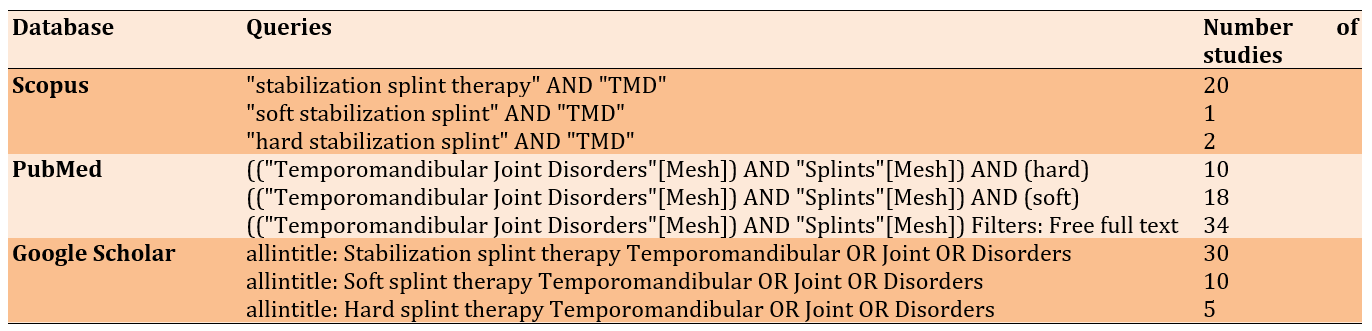
A comprehensive literature search was conducted across three prominent electronic databases, including Scopus, PubMed, and Google Scholar. The search utilized a combination of keywords designed to capture relevant articles related to occlusal splint treatment for temporomandibular joint disorders (TMD), including “Temporomandibular Joint Disorders”, “Splints”, “Stabilization Splint Therapy”, “Soft Splint Therapy”, “Hard Splint Therapy”, “Soft Stabilization Splint”, “Hard Stabilization Splint”, and “TMD.” Initially, titles and abstracts were screened, followed by a review of the full texts of selected articles. Studies were included if they were published between 2010 and 2025, peer-reviewed research articles, randomized controlled trials (RCTs), reviews and case-control studies examining the efficacy of occlusal splint treatment for TMD, focused specifically on occlusal splint treatment for TMD, and full-text available articles. Studies that did not report clearly defined inclusion criteria were excluded from the review (Table 1).
Table 1. Search strategy
The study selection process is summarized in the PRISMA flowchart (Figure 1).
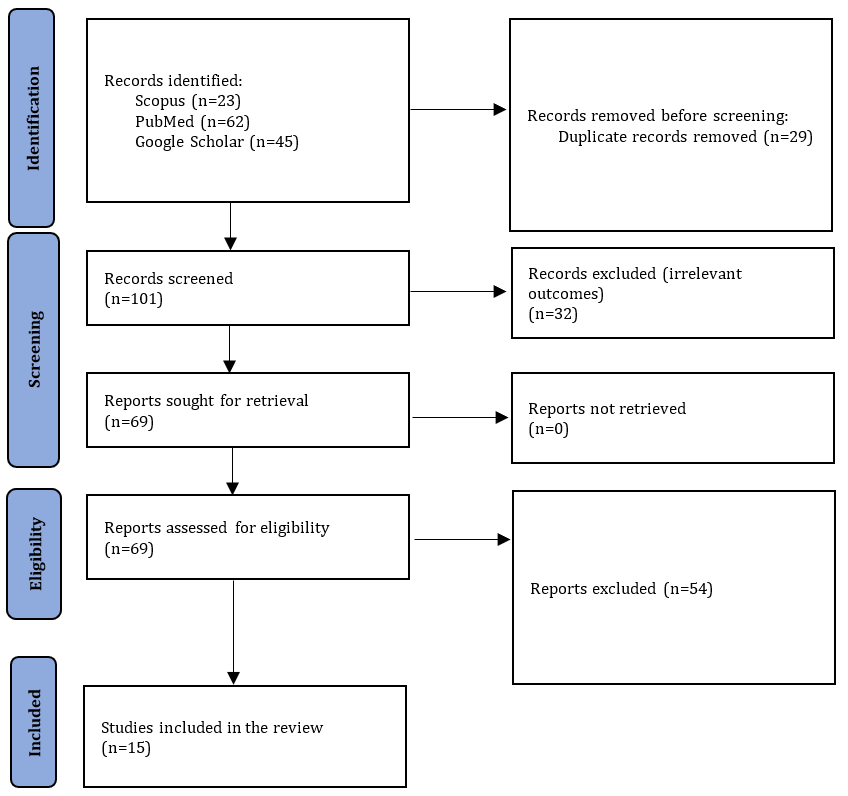
Figure 1. Flowchart of the included studies based on the PRISMA guidelines.
The included studies evaluated the effects of both soft and hard stabilization splints (Table 2). An occlusal appliance, also referred to as a bite guard or bite splint, is a custom-fabricated device, typically manufactured from either hard or soft acrylic materials. These appliances are designed to cover the occlusal and incisal surfaces of the upper or lower dentition, with configurations that may include full or partial tooth coverage to achieve diverse therapeutic outcomes [23, 24]. Soft or resilient occlusal splints are constructed from softer materials, such as silicone. They are often indicated for short-term use due to their propensity for rapid degradation [24]. Hard acrylic occlusal stabilization splints provide comprehensive coverage of the dental arch. These splints are particularly valuable for patients who exhibit significant and frequent teeth grinding or clenching, offering protection to both the teeth and the TMJ [25, 26].
Table 2. Comparison between soft and hard splints
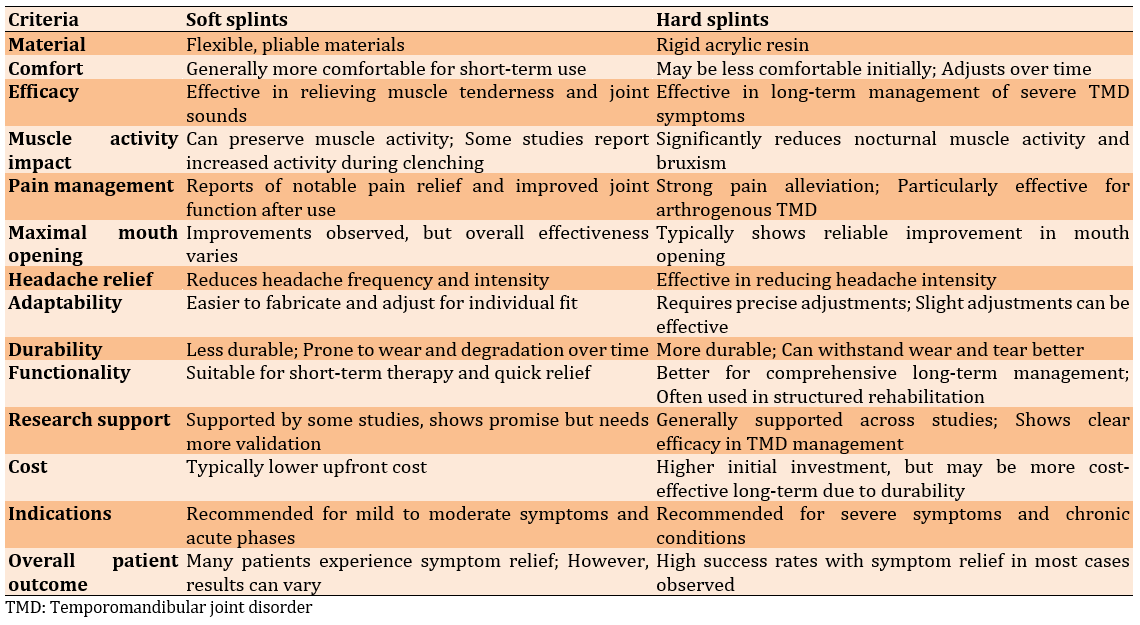
To quantitatively assess the comparative efficacy of soft and hard stabilization splints, multi-dimensional clinical features were scored using a standardized 5-point Likert scale, where 1 represented the lowest and 5 the highest level of effectiveness or patient benefit for each evaluated criterion (e.g., comfort, durability, pain relief). This scoring was based on aggregated findings from the included studies and clinical consensus. Descriptive statistics were used to summarize these ratings. For the synthesis of study outcomes, frequencies and percentages of studies favoring each splint type were calculated. Where meta-analytic data were available, effect sizes and confidence intervals were extracted or estimated to compare pain relief and functional improvement over multiple time points. Line charts and bar graphs were constructed to visualize trends in treatment effectiveness over time and across TMD subtypes. Because of heterogeneity among study designs and outcome measures, a narrative synthesis supplemented the quantitative analysis to contextualize findings and highlight evidence gaps.
Findings
The initial literature search identified 130 articles. Following the removal of duplicates, 101 articles remained for further consideration. A subsequent review of titles and abstracts facilitated the exclusion of articles deemed irrelevant, resulting in a refined subset of 69 papers. Upon applying the predetermined inclusion and exclusion criteria, a final total of 15 articles was selected for inclusion in this systematic review [5, 9, 10, 27-38].
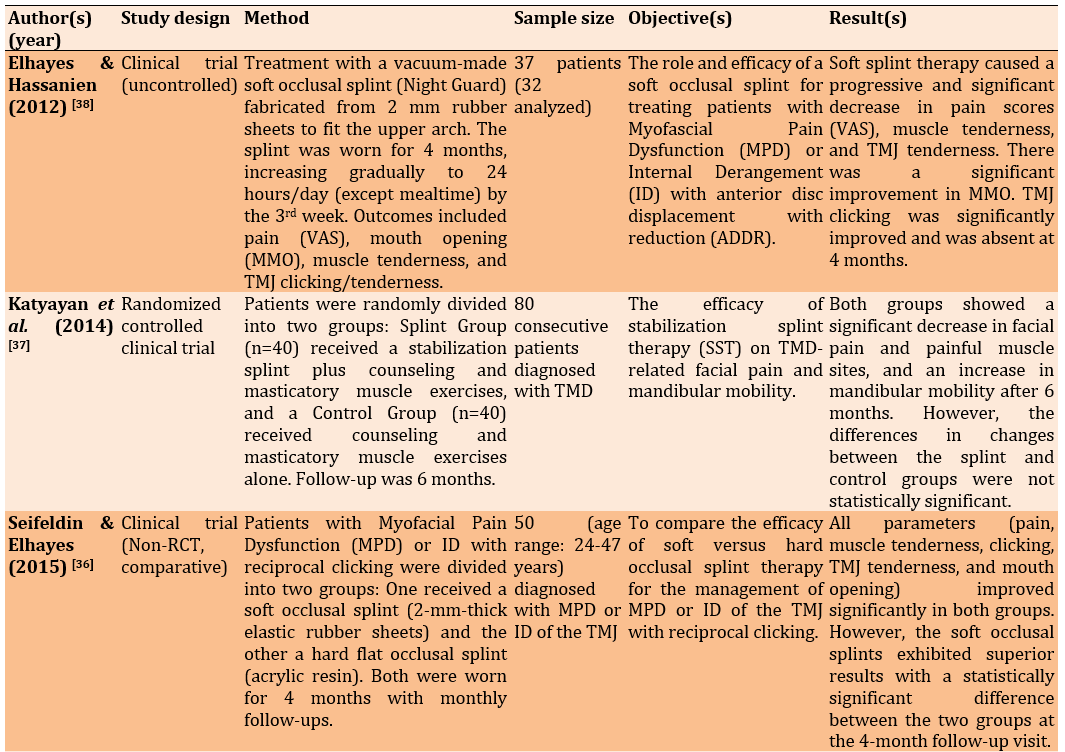
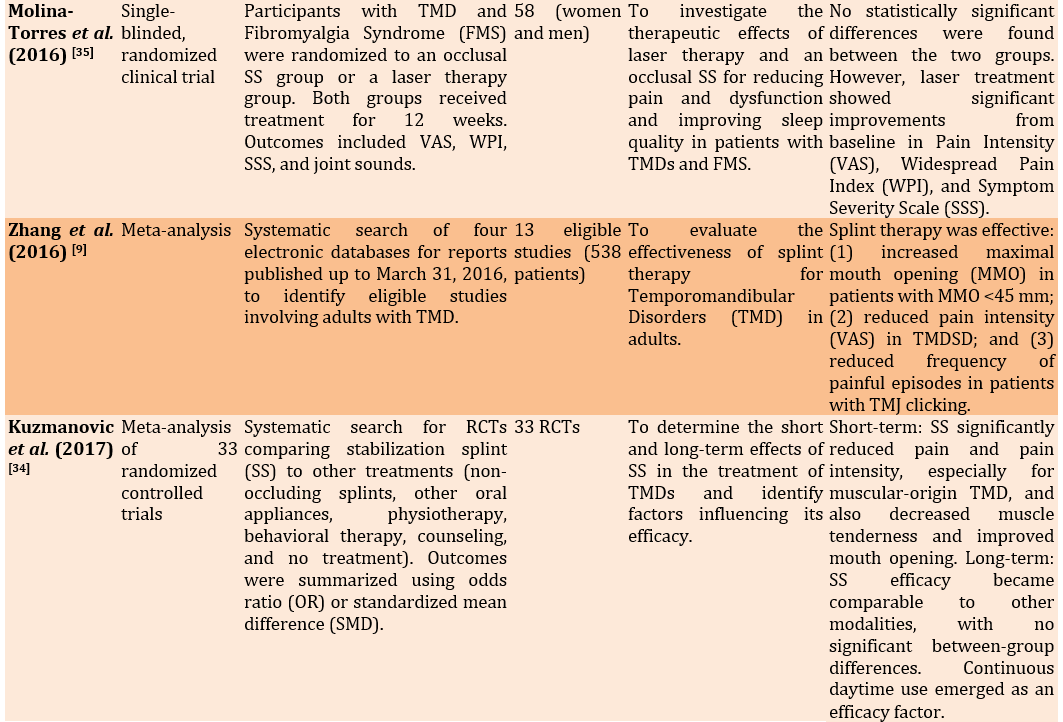
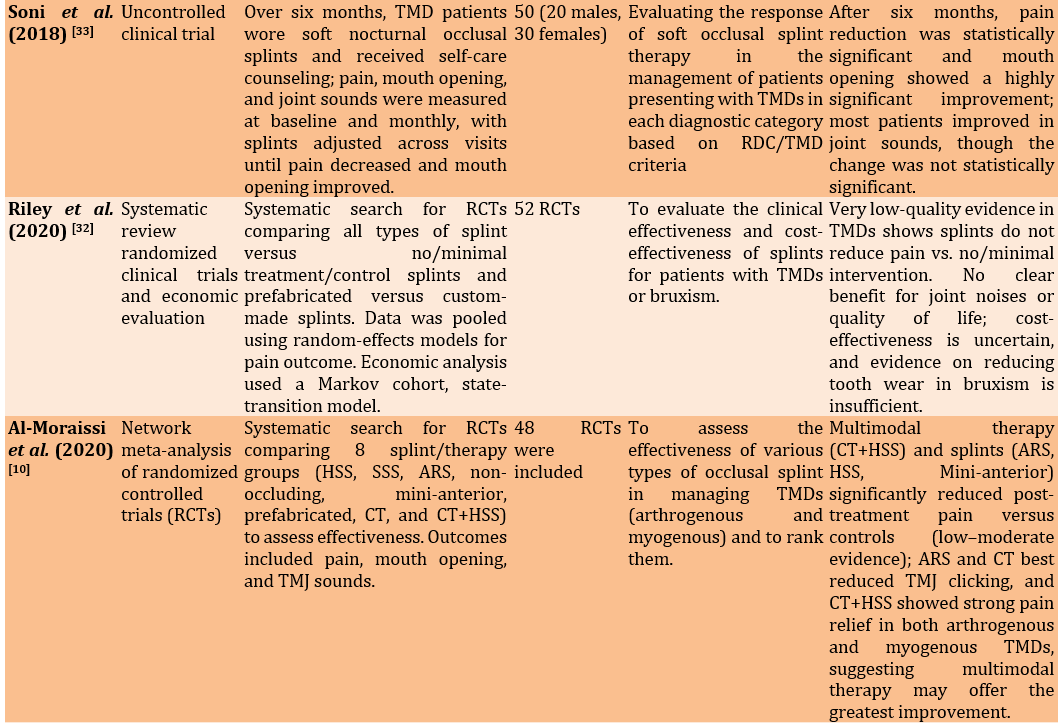
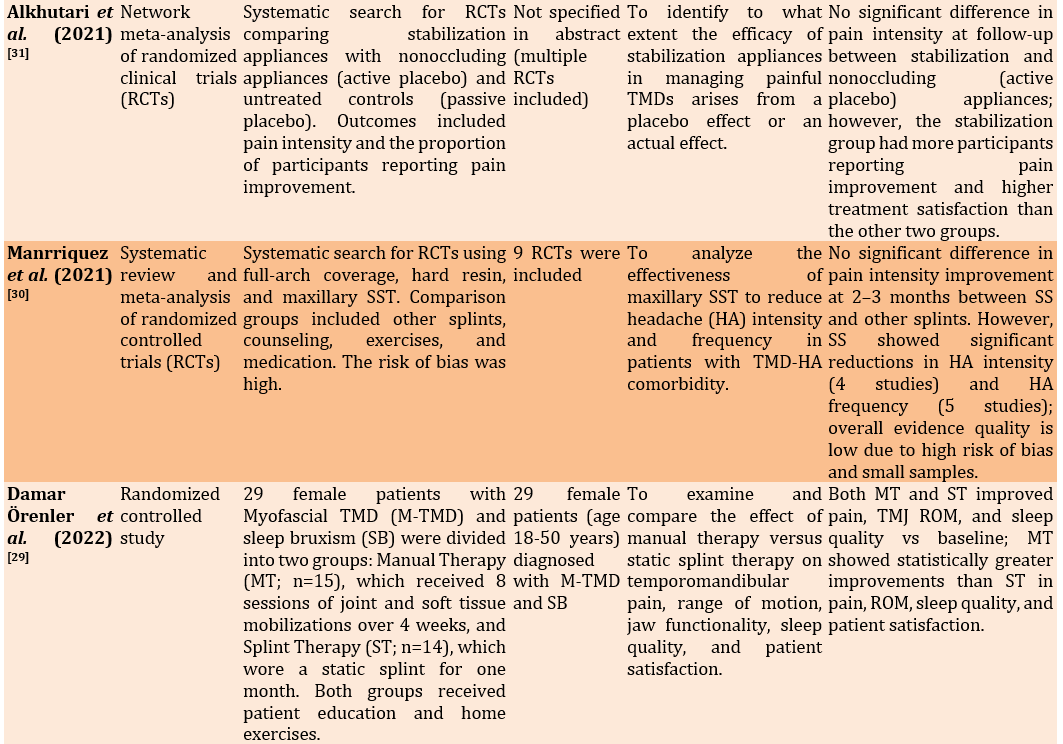
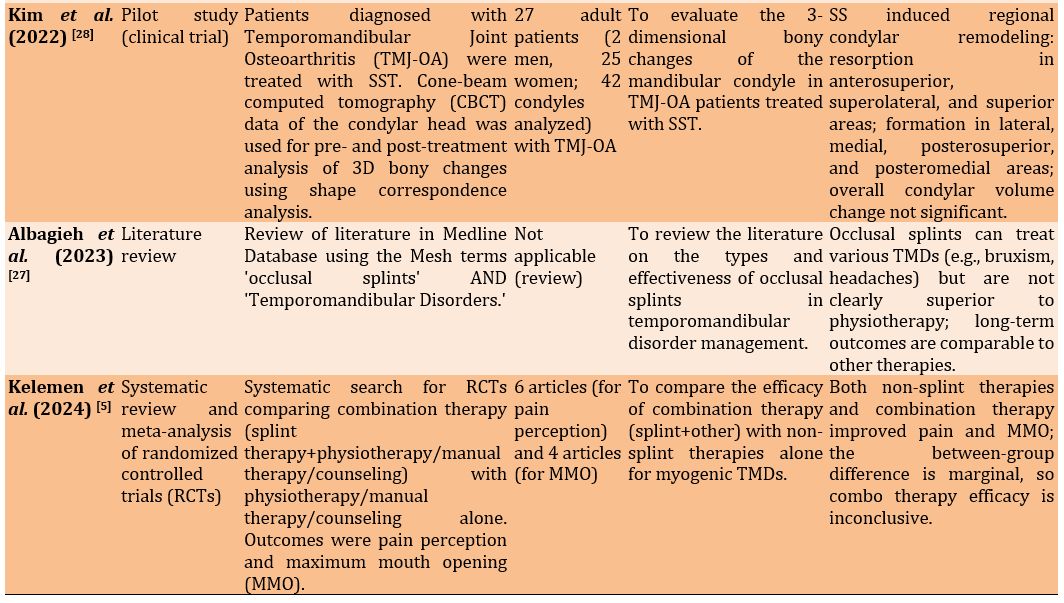
A total of 15 articles published between 2012 and 2023 were included: seven clinical trials [28, 29, 33, 35–38], six meta-analyses [5, 9, 10, 30, 31, 34], and two review articles [27, 32] (Table 3).
Table 3. Characteristics of the included studies
Although research regarding the efficacy of splints in general shows promise for TMD treatment, direct comparisons between soft and hard splints yielded mixed results. Some studies found no statistically significant difference between the two in improving TMD symptoms, while others indicated an advantage to one type over the other.
A 2015 study published in The Saudi Dental Journal [36] concluded that both soft and hard splints yielded improvements in TMJ symptoms (pain, tenderness, clicking, and mouth opening range) for patients with myofascial pain dysfunction (MPD) or internal derangement (ID) of the TMJ. However, this study observed a statistically significant difference favoring soft splints after four months. In a study by Amin et al., both hard and soft splints significantly reduced muscle pain over 90 days, but the hard splints produced a steeper reduction in Modified Symptom Severity Index (Mod-SSI) scores within the first 7 days and were more effective over a shorter duration compared to the more gradual improvement observed with soft splints [39]. A 2024 meta-analysis [5] investigating the effectiveness of stabilization splints (SS) in TMD patients with headaches found no statistically significant difference in pain intensity improvement among partial-arch soft splints, hard splints, and full-arch splints, compared with other interventions.
Research from 2022 [29] comparing manual therapy and splint therapy for myofascial TMD with sleep bruxism found that soft splints provided superior results after four months of use. This study assessed various parameters, including clicking scores and joint tenderness, to arrive at this conclusion. Some studies pointed toward hard splints being more effective in specific scenarios. For instance, one study [33] examining the long-term effects of soft splint therapy noted other research that found hard splints provided greater pain reduction after three months.
The choice between soft and hard splints should be individualized based on factors, such as the severity and type of TMD, patient preference, comfort, and compliance. Regardless of the material, proper splint design, fabrication, and adjustments are crucial for treatment success. Splint therapy is often most effective when combined with other treatment modalities, such as physical therapy, stress management techniques, or medications.
The radar chart provides a comprehensive visual comparison of the key characteristics and clinical performance of soft versus hard stabilization splints in the management of TMDs. Each splint type was evaluated across multiple dimensions, including material properties, patient comfort, efficacy in symptom relief, impact on muscle activity, durability, cost, and overall patient outcomes. The chart highlights that soft splints generally exceled in comfort, ease of fabrication, and initial pain relief, making them suitable for short-term use and mild to moderate symptoms. Conversely, hard splints demonstrated superior durability, long-term efficacy, and stronger evidence in support, particularly for severe or chronic TMD cases involving bruxism. This multi-criteria assessment underscores the importance of tailoring splint selection to individual patient needs, balancing factors, such as comfort, treatment duration, and severity of symptoms to optimize therapeutic outcomes (Figure 2).

Figure 2. Radar chart comparing key clinical features of soft and hard stabilization splints used in temporomandibular disorder management. Each axis represents an evaluated characteristic scored on a 5-point scale (1=lowest, 5=highest). The chart highlights differences in comfort, durability, efficacy, muscle activity impact, cost, and overall patient outcomes, illustrating the complementary strengths of soft and hard splints for tailored treatment approaches.
Discussion
This study aimed to evaluate the efficacy of SST as a noninvasive treatment for TMJ disorders and to compare the effectiveness of soft and hard SST. Occlusal splint therapy (OST) has demonstrated a high success rate in managing craniomandibular disorders (CMDs), as supported by both short- and long-term clinical studies. The primary therapeutic mechanisms of OST include occlusal disengagement, which minimizes occlusal interferences that may exacerbate TMD symptoms; muscle relaxation, which reduces masticatory muscle activity and alleviates pain and discomfort; joint unloading and repositioning, which promotes proper alignment of the TMJs and decreases biomechanical stress; and vertical dimension adjustment, which modifies the VDO to enhance comfort and function. Despite these established mechanisms, the precise biological pathways and long-term implications of splint therapy remain subjects of ongoing investigation [40, 41].
Recent studies have reinforced the clinical benefits of OST, demonstrating significant improvements in parameters, such as maximum mouth opening and pain reduction. Some reports suggest that splint therapy may induce osteogenic effects, including morphological changes in the mandibular condyle [28]. However, the evidence remains mixed. While certain systematic reviews conclude that stabilization appliances outperform placebo treatments [31], others highlight an insufficient evidence base to confirm the definitive efficacy of occlusal splints, emphasizing the need for more rigorous research [32]. Similarly, Riley et al. noted limited evidence supporting the use of splints for TMDs and bruxism, further underscoring the necessity for high-quality trials [9, 18].
Several investigations have shown that occlusal splints can effectively reduce nocturnal masticatory muscle activity, a particularly relevant outcome for patients with bruxism. This reduction not only mitigates muscle pain but may also prevent secondary complications, such as dental attrition and periodontal deterioration, reinforcing the therapeutic value of splints in managing complex dentomuscular disorders [38, 42, 43].
Recent evidence supports the integration of OST with other modalities. The combination of arthrocentesis followed by SST has demonstrated superior efficacy in reducing pain and improving mandibular movement in patients with unilateral anterior disc displacement, both with and without reduction (ADDwR and ADDwoR). This multimodal approach—particularly beneficial in cases exhibiting erosive or non-erosive bony changes—suggests promising avenues for optimized patient outcomes [44].
Our findings further affirm the efficacy of soft stabilization splints (SSS) as a non-invasive intervention for pain reduction and functional improvement in TMD patients. Moreover, Afshari et al. [45] have shown that combining SST with LLLT yields significantly greater pain reduction and patient satisfaction compared to either treatment alone.
The relative effectiveness of different TMD treatments remains a topic of debate. A systematic review by Kelemen et al. concluded that both conventional and splint therapies effectively manage myogenic TMDs, though with minimal intergroup differences. Similarly, Albagieh et al. found that splint therapy effectively alleviates TMD symptoms, bruxism, headaches, and postural imbalances, though not conclusively superior to physiotherapy [5, 27, 37].
Conversely, other studies have reported that manual therapy may yield better outcomes than stabilization splints alone, suggesting potential synergistic benefits from combination protocols [29]. For instance, one study indicated that SST leads to significant reductions in headache intensity in patients with TMD-related headaches, with soft splints showing the most marked improvement in headache frequency [30].
Overall, most patients exhibit substantial clinical improvement following splint therapy. Multiple studies have reported high rates of symptom reduction or resolution, accompanied by measurable changes in condylar displacement and mandibular alignment [46]. Stabilization splints, by facilitating muscle deprogramming and enhancing orthopedic stability, contribute to improved TMJ function and overall masticatory health. The type of splint used—soft versus hard—can significantly influence therapeutic outcomes. For instance, Poorna et al. observed that both types provide symptomatic relief, although neither group shows significant improvements in excessive mouth opening or deviation over time [22]. In contrast, other studies reported superior outcomes with soft splints, including improved TMJ function after four months of treatment [36, 47]. Long-term follow-ups further corroborate these findings, revealing that soft splints reduce pain, enhance mouth opening, and diminish joint sounds over six months, highlighting their value as a minimally invasive and effective treatment option [33].
A network meta-analysis has shown that both soft and hard splints are effective in reducing pain intensity in myogenous TMD cases, with anterior repositioning splints indicated as particularly effective for pain alleviation in arthrogenous TMDs [10]. However, the small differences observed between splint types call for further focused research to establish clearer guidelines on material selection based on specific patient needs and TMD types.
While current evidence points to short-term benefits of splint therapy for TMD management, the long-term effects appear comparable to other treatment options [34]. Continued research is crucial to explore how both soft and hard splints influence outcomes across various TMD etiologies, as well as their potential combined use with other therapeutic modalities.
Both soft and hard splints demonstrated efficacy in alleviating symptoms. Soft splints generally offer enhanced comfort and are particularly effective in providing quick relief from muscle tenderness and headaches, making them suitable for short-term use in mild to moderate cases. On the other hand, hard splints are more durable and effective for long-term management of severe TMD symptoms, as they significantly reduce muscle activity associated with bruxism and provide substantial pain relief.
While current evidence supports the probable effectiveness of both splint types, individual patient factors, such as symptom severity, treatment duration, and specific therapeutic goals should guide the clinician’s choice between them. Despite the promising outcomes associated with OST, further research is needed to clarify the long-term effects and comparative benefits of soft versus hard splints across diverse TMD presentations. Ultimately, a tailored approach that considers the unique characteristics and needs of each patient will optimize treatment outcomes and enhance the quality of care in TMD management.
Conclusion
Both soft and hard splints demonstrate efficacy in alleviating TMD symptoms.
Acknowledgments: None declared.
Ethical Permissions: Not applicable.
Conflicts of Interests: The authors declared no competing interests.
Authors' Contribution: Jafari E (First Author), Methodologist/Main Researcher (35%); Hajibagheri P (Second Author), Assistant Researcher/Statistical Analyst (20%); Hendi AR (Third Author), Introduction Writer/Statistical Analyst (15%); Koochaki M (Fourth Author), Assistant Researcher/Discussion Writer (30%)
Funding/Support: This study did not receive any specific grant from funding agencies in the public, commercial, or not-for-profit sectors.
The temporomandibular joint (TMJ) is a vital structure that facilitates jaw movement essential for daily activities such as chewing, swallowing, and speaking. Temporomandibular disorders (TMDs) encompass a range of musculoskeletal and degenerative conditions, often caused by altered disc position, muscle hyperactivity, or intracapsular derangement. Common symptoms include pain, restricted movement, and joint clicking, with studies indicating that up to 75% of adults exhibit at least one sign of TMDs. Muscle-related disorders represent the most prevalent subtype, accounting for approximately 45.3% of cases. Notably, only a small fraction of those affected seek treatment, and the incidence of symptoms is higher in women than in men. The median age of symptomatic patients typically ranges from 20 to 50 years, with peak prevalence occurring between 35 and 45 years [1-5].
TMDs are significant contributors to chronic orofacial pain, persisting beyond three months and often associated with headaches, earaches, and audible joint sounds such as clicking or popping. A noteworthy correlation exists between TMDs and neck disabilities, underscoring an interconnectedness between jaw and neck dysfunctions that can significantly diminish quality of life [2, 3, 6-8].
Although the precise causes of TMDs are not fully understood, contributing factors include occlusal abnormalities, psychological stress, orthodontic treatment, microtrauma, and joint laxity, along with hormonal influences such as exogenous estrogen. TMDs are classified into three categories based on their source: myogenous, arthrogenous, and mixed [9, 10].
The progression of TMD can be described in five stages, as outlined by Wilkes. These stages range from painless joint clicking (stage I) to severe pain accompanied by significant degenerative changes (stage V), providing a framework for guiding treatment options for arthrogenous TMD [2, 11].
Managing TMD involves various approaches, including noninvasive, minimally invasive, and invasive (surgical) strategies. The primary objectives of these treatments are to enhance mandibular range of motion, reduce joint and muscle pain and inflammation, and prevent degenerative changes in the joint structures [11].
Common noninvasive strategies include education, behavioral modification, physical therapy, occlusal splints, and pharmacological therapies. Additionally, modalities, such as transcutaneous electrical nerve stimulation (TENS), ultrasound therapy, and low-level laser therapy (LLLT) are often used to augment treatment effectiveness [1, 3, 11-14].
Minimally invasive techniques may include injections of sodium hyaluronate or corticosteroids, arthrocentesis, and arthroscopy. In more severe cases, approximately 5% of TMD patients may require open joint surgery involving procedures like discectomy, reshaping of articulating surfaces, or total joint replacement [3, 11, 15].
Stabilization splint therapy (SST) refers to the use of a custom-fabricated dental appliance to manage TMDs. These splints are designed to cover the occlusal surfaces of the teeth, promoting a more neutral position of the jaw and reducing tension in the masticatory muscles (serving as deprogrammers or jaw repositioners, promoting optimal maxillomandibular relationships). Occlusal splint (OS) therapy has demonstrated a high efficacy rate, ranging from 70% to 90%. Their therapeutic mechanisms include occlusal disengagement, modification of the vertical dimension of occlusion (VDO), muscle relaxation, and offloading of the joints. Furthermore, they protect against clenching and grinding damage while normalizing proprioceptive feedback from the periodontal ligaments [9, 16-18].
Numerous splint types exist, categorized by material (hard vs. soft), configuration (maxillary vs. mandibular), and coverage (full-arch vs. partial). Common varieties include stabilization splints (e.g., Tanner appliance, Michigan splint) and anterior bite splints [4, 9]. While hard splints show excellent clinical outcomes, some studies suggest that soft splints may reduce stress on antagonist muscles more effectively and increase patient comfort. Thus, the selection of material should align with treatment objectives and patient preferences. Advances in digital technology also facilitate the customization and efficacy of splint designs [4, 10, 19].
Despite their widespread clinical application, the impact of splints on muscle activity—particularly regarding the temporalis and masseter muscles—and their effects on antagonistic muscles remain poorly understood [4, 20-22].
This systematic review aimed to evaluate the efficacy of SST as a non-invasive treatment for TMDs. By analyzing recent studies that compare soft and hard occlusal splints, the review sought to elucidate their respective therapeutic effects and indications. Furthermore, the goal was to address existing gaps in the literature regarding direct comparisons of treatment outcomes between the two splint types. Ultimately, the findings may provide clinicians with evidence-based insights to guide informed decision-making in TMD management, enhancing treatment effectiveness.
Information and Methods
A comprehensive literature search was conducted across three prominent electronic databases, including Scopus, PubMed, and Google Scholar. The search utilized a combination of keywords designed to capture relevant articles related to occlusal splint treatment for temporomandibular joint disorders (TMD), including “Temporomandibular Joint Disorders”, “Splints”, “Stabilization Splint Therapy”, “Soft Splint Therapy”, “Hard Splint Therapy”, “Soft Stabilization Splint”, “Hard Stabilization Splint”, and “TMD.” Initially, titles and abstracts were screened, followed by a review of the full texts of selected articles. Studies were included if they were published between 2010 and 2025, peer-reviewed research articles, randomized controlled trials (RCTs), reviews and case-control studies examining the efficacy of occlusal splint treatment for TMD, focused specifically on occlusal splint treatment for TMD, and full-text available articles. Studies that did not report clearly defined inclusion criteria were excluded from the review (Table 1).
Table 1. Search strategy
The study selection process is summarized in the PRISMA flowchart (Figure 1).
Figure 1. Flowchart of the included studies based on the PRISMA guidelines.
The included studies evaluated the effects of both soft and hard stabilization splints (Table 2). An occlusal appliance, also referred to as a bite guard or bite splint, is a custom-fabricated device, typically manufactured from either hard or soft acrylic materials. These appliances are designed to cover the occlusal and incisal surfaces of the upper or lower dentition, with configurations that may include full or partial tooth coverage to achieve diverse therapeutic outcomes [23, 24]. Soft or resilient occlusal splints are constructed from softer materials, such as silicone. They are often indicated for short-term use due to their propensity for rapid degradation [24]. Hard acrylic occlusal stabilization splints provide comprehensive coverage of the dental arch. These splints are particularly valuable for patients who exhibit significant and frequent teeth grinding or clenching, offering protection to both the teeth and the TMJ [25, 26].
Table 2. Comparison between soft and hard splints
To quantitatively assess the comparative efficacy of soft and hard stabilization splints, multi-dimensional clinical features were scored using a standardized 5-point Likert scale, where 1 represented the lowest and 5 the highest level of effectiveness or patient benefit for each evaluated criterion (e.g., comfort, durability, pain relief). This scoring was based on aggregated findings from the included studies and clinical consensus. Descriptive statistics were used to summarize these ratings. For the synthesis of study outcomes, frequencies and percentages of studies favoring each splint type were calculated. Where meta-analytic data were available, effect sizes and confidence intervals were extracted or estimated to compare pain relief and functional improvement over multiple time points. Line charts and bar graphs were constructed to visualize trends in treatment effectiveness over time and across TMD subtypes. Because of heterogeneity among study designs and outcome measures, a narrative synthesis supplemented the quantitative analysis to contextualize findings and highlight evidence gaps.
Findings
The initial literature search identified 130 articles. Following the removal of duplicates, 101 articles remained for further consideration. A subsequent review of titles and abstracts facilitated the exclusion of articles deemed irrelevant, resulting in a refined subset of 69 papers. Upon applying the predetermined inclusion and exclusion criteria, a final total of 15 articles was selected for inclusion in this systematic review [5, 9, 10, 27-38].
A total of 15 articles published between 2012 and 2023 were included: seven clinical trials [28, 29, 33, 35–38], six meta-analyses [5, 9, 10, 30, 31, 34], and two review articles [27, 32] (Table 3).
Table 3. Characteristics of the included studies
Although research regarding the efficacy of splints in general shows promise for TMD treatment, direct comparisons between soft and hard splints yielded mixed results. Some studies found no statistically significant difference between the two in improving TMD symptoms, while others indicated an advantage to one type over the other.
A 2015 study published in The Saudi Dental Journal [36] concluded that both soft and hard splints yielded improvements in TMJ symptoms (pain, tenderness, clicking, and mouth opening range) for patients with myofascial pain dysfunction (MPD) or internal derangement (ID) of the TMJ. However, this study observed a statistically significant difference favoring soft splints after four months. In a study by Amin et al., both hard and soft splints significantly reduced muscle pain over 90 days, but the hard splints produced a steeper reduction in Modified Symptom Severity Index (Mod-SSI) scores within the first 7 days and were more effective over a shorter duration compared to the more gradual improvement observed with soft splints [39]. A 2024 meta-analysis [5] investigating the effectiveness of stabilization splints (SS) in TMD patients with headaches found no statistically significant difference in pain intensity improvement among partial-arch soft splints, hard splints, and full-arch splints, compared with other interventions.
Research from 2022 [29] comparing manual therapy and splint therapy for myofascial TMD with sleep bruxism found that soft splints provided superior results after four months of use. This study assessed various parameters, including clicking scores and joint tenderness, to arrive at this conclusion. Some studies pointed toward hard splints being more effective in specific scenarios. For instance, one study [33] examining the long-term effects of soft splint therapy noted other research that found hard splints provided greater pain reduction after three months.
The choice between soft and hard splints should be individualized based on factors, such as the severity and type of TMD, patient preference, comfort, and compliance. Regardless of the material, proper splint design, fabrication, and adjustments are crucial for treatment success. Splint therapy is often most effective when combined with other treatment modalities, such as physical therapy, stress management techniques, or medications.
The radar chart provides a comprehensive visual comparison of the key characteristics and clinical performance of soft versus hard stabilization splints in the management of TMDs. Each splint type was evaluated across multiple dimensions, including material properties, patient comfort, efficacy in symptom relief, impact on muscle activity, durability, cost, and overall patient outcomes. The chart highlights that soft splints generally exceled in comfort, ease of fabrication, and initial pain relief, making them suitable for short-term use and mild to moderate symptoms. Conversely, hard splints demonstrated superior durability, long-term efficacy, and stronger evidence in support, particularly for severe or chronic TMD cases involving bruxism. This multi-criteria assessment underscores the importance of tailoring splint selection to individual patient needs, balancing factors, such as comfort, treatment duration, and severity of symptoms to optimize therapeutic outcomes (Figure 2).
Figure 2. Radar chart comparing key clinical features of soft and hard stabilization splints used in temporomandibular disorder management. Each axis represents an evaluated characteristic scored on a 5-point scale (1=lowest, 5=highest). The chart highlights differences in comfort, durability, efficacy, muscle activity impact, cost, and overall patient outcomes, illustrating the complementary strengths of soft and hard splints for tailored treatment approaches.
Discussion
This study aimed to evaluate the efficacy of SST as a noninvasive treatment for TMJ disorders and to compare the effectiveness of soft and hard SST. Occlusal splint therapy (OST) has demonstrated a high success rate in managing craniomandibular disorders (CMDs), as supported by both short- and long-term clinical studies. The primary therapeutic mechanisms of OST include occlusal disengagement, which minimizes occlusal interferences that may exacerbate TMD symptoms; muscle relaxation, which reduces masticatory muscle activity and alleviates pain and discomfort; joint unloading and repositioning, which promotes proper alignment of the TMJs and decreases biomechanical stress; and vertical dimension adjustment, which modifies the VDO to enhance comfort and function. Despite these established mechanisms, the precise biological pathways and long-term implications of splint therapy remain subjects of ongoing investigation [40, 41].
Recent studies have reinforced the clinical benefits of OST, demonstrating significant improvements in parameters, such as maximum mouth opening and pain reduction. Some reports suggest that splint therapy may induce osteogenic effects, including morphological changes in the mandibular condyle [28]. However, the evidence remains mixed. While certain systematic reviews conclude that stabilization appliances outperform placebo treatments [31], others highlight an insufficient evidence base to confirm the definitive efficacy of occlusal splints, emphasizing the need for more rigorous research [32]. Similarly, Riley et al. noted limited evidence supporting the use of splints for TMDs and bruxism, further underscoring the necessity for high-quality trials [9, 18].
Several investigations have shown that occlusal splints can effectively reduce nocturnal masticatory muscle activity, a particularly relevant outcome for patients with bruxism. This reduction not only mitigates muscle pain but may also prevent secondary complications, such as dental attrition and periodontal deterioration, reinforcing the therapeutic value of splints in managing complex dentomuscular disorders [38, 42, 43].
Recent evidence supports the integration of OST with other modalities. The combination of arthrocentesis followed by SST has demonstrated superior efficacy in reducing pain and improving mandibular movement in patients with unilateral anterior disc displacement, both with and without reduction (ADDwR and ADDwoR). This multimodal approach—particularly beneficial in cases exhibiting erosive or non-erosive bony changes—suggests promising avenues for optimized patient outcomes [44].
Our findings further affirm the efficacy of soft stabilization splints (SSS) as a non-invasive intervention for pain reduction and functional improvement in TMD patients. Moreover, Afshari et al. [45] have shown that combining SST with LLLT yields significantly greater pain reduction and patient satisfaction compared to either treatment alone.
The relative effectiveness of different TMD treatments remains a topic of debate. A systematic review by Kelemen et al. concluded that both conventional and splint therapies effectively manage myogenic TMDs, though with minimal intergroup differences. Similarly, Albagieh et al. found that splint therapy effectively alleviates TMD symptoms, bruxism, headaches, and postural imbalances, though not conclusively superior to physiotherapy [5, 27, 37].
Conversely, other studies have reported that manual therapy may yield better outcomes than stabilization splints alone, suggesting potential synergistic benefits from combination protocols [29]. For instance, one study indicated that SST leads to significant reductions in headache intensity in patients with TMD-related headaches, with soft splints showing the most marked improvement in headache frequency [30].
Overall, most patients exhibit substantial clinical improvement following splint therapy. Multiple studies have reported high rates of symptom reduction or resolution, accompanied by measurable changes in condylar displacement and mandibular alignment [46]. Stabilization splints, by facilitating muscle deprogramming and enhancing orthopedic stability, contribute to improved TMJ function and overall masticatory health. The type of splint used—soft versus hard—can significantly influence therapeutic outcomes. For instance, Poorna et al. observed that both types provide symptomatic relief, although neither group shows significant improvements in excessive mouth opening or deviation over time [22]. In contrast, other studies reported superior outcomes with soft splints, including improved TMJ function after four months of treatment [36, 47]. Long-term follow-ups further corroborate these findings, revealing that soft splints reduce pain, enhance mouth opening, and diminish joint sounds over six months, highlighting their value as a minimally invasive and effective treatment option [33].
A network meta-analysis has shown that both soft and hard splints are effective in reducing pain intensity in myogenous TMD cases, with anterior repositioning splints indicated as particularly effective for pain alleviation in arthrogenous TMDs [10]. However, the small differences observed between splint types call for further focused research to establish clearer guidelines on material selection based on specific patient needs and TMD types.
While current evidence points to short-term benefits of splint therapy for TMD management, the long-term effects appear comparable to other treatment options [34]. Continued research is crucial to explore how both soft and hard splints influence outcomes across various TMD etiologies, as well as their potential combined use with other therapeutic modalities.
Both soft and hard splints demonstrated efficacy in alleviating symptoms. Soft splints generally offer enhanced comfort and are particularly effective in providing quick relief from muscle tenderness and headaches, making them suitable for short-term use in mild to moderate cases. On the other hand, hard splints are more durable and effective for long-term management of severe TMD symptoms, as they significantly reduce muscle activity associated with bruxism and provide substantial pain relief.
While current evidence supports the probable effectiveness of both splint types, individual patient factors, such as symptom severity, treatment duration, and specific therapeutic goals should guide the clinician’s choice between them. Despite the promising outcomes associated with OST, further research is needed to clarify the long-term effects and comparative benefits of soft versus hard splints across diverse TMD presentations. Ultimately, a tailored approach that considers the unique characteristics and needs of each patient will optimize treatment outcomes and enhance the quality of care in TMD management.
Conclusion
Both soft and hard splints demonstrate efficacy in alleviating TMD symptoms.
Acknowledgments: None declared.
Ethical Permissions: Not applicable.
Conflicts of Interests: The authors declared no competing interests.
Authors' Contribution: Jafari E (First Author), Methodologist/Main Researcher (35%); Hajibagheri P (Second Author), Assistant Researcher/Statistical Analyst (20%); Hendi AR (Third Author), Introduction Writer/Statistical Analyst (15%); Koochaki M (Fourth Author), Assistant Researcher/Discussion Writer (30%)
Funding/Support: This study did not receive any specific grant from funding agencies in the public, commercial, or not-for-profit sectors.
Keywords:
References
1. Fikácková H, Dostálová T, Navrátil L, Klaschka J. Effectiveness of low-level laser therapy in temporomandibular joint disorders: A placebo-controlled study. Photomed Laser Surg. 2007;25(4):297-303. [Link] [DOI:10.1089/pho.2007.2053]
2. Minervini G, Franco R, Crimi S, Di Blasio M, D'Amico C, Ronsivalle V, et al. Pharmacological therapy in the management of temporomandibular disorders and orofacial pain: A systematic review and meta-analysis. BMC Oral Health. 2024;24(1):78. [Link] [DOI:10.1186/s12903-023-03524-8]
3. Shousha T, Alayat M, Moustafa I. Effects of low-level laser therapy versus soft occlusive splints on mouth opening and surface electromyography in females with temporomandibular dysfunction: A randomized-controlled study. PLoS One. 2021;16(10):e0258063. [Link] [DOI:10.1371/journal.pone.0258063]
4. Zieliński G, Wójcicki M, Baszczowski M, Żyśko A, Litko-Rola M, Szkutnik J, et al. Influence of soft stabilization splint on electromyographic patterns in masticatory and neck muscles in healthy women. J Clin Med. 2023;12(6):2318. [Link] [DOI:10.3390/jcm12062318]
5. Kelemen K, König J, Czumbel M, Szabó B, Hegyi P, Gerber G, et al. Additional splint therapy has no superiority in myogenic temporomandibular disorders: A systematic review and meta-analysis of randomized controlled trials. J Prosthodont Res. 2024;68(1):12-9. [Link] [DOI:10.2186/jpr.JPR_D_22_00264]
6. Senaratne D, Colvin L. Chronic pain associated with temporomandibular disorders. BMJ. 2023;383:2877. [Link] [DOI:10.1136/bmj.p2877]
7. Minervini G, Di Blasio M, Franco R, Marrapodi MM, Vaienti B, Cicciù M, et al. Prevalence of temporomandibular disorders diagnosis in patients treated with Herbst appliance: A systematic review and meta-analysis. BMC Oral Health. 2024;24(1):137. [Link] [DOI:10.1186/s12903-023-03738-w]
8. Qamar Z, Alghamdi AMS, Haydarah NKB, Balateef AA, Alamoudi AA, Abumismar MA, et al. Impact of temporomandibular disorders on oral health-related quality of life: A systematic review and meta-analysis. J Oral Rehabil. 2023;50(8):706-14. [Link] [DOI:10.1111/joor.13472]
9. Zhang C, Wu JY, Deng DL, He BY, Tao Y, Niu YM, et al. Efficacy of splint therapy for the management of temporomandibular disorders: A meta-analysis. Oncotarget. 2016;7(51):84043-53. [Link] [DOI:10.18632/oncotarget.13059]
10. Al-Moraissi EA, Farea R, Qasem KA, Al-Wadeai MS, Al-Sabahi ME, Al-Iryani GM. Effectiveness of occlusal splint therapy in the management of temporomandibular disorders: Network meta-analysis of randomized controlled trials. Int J Oral Maxillofac Surg. 2020;49(8):1042-56. [Link] [DOI:10.1016/j.ijom.2020.01.004]
11. Li DTS, Leung YY. Temporomandibular disorders: Current concepts and controversies in diagnosis and management. Diagnostics. 2021;11(3):459. [Link] [DOI:10.3390/diagnostics11030459]
12. Gray RJ, Quayle AA, Hall CA, Schofield MA. Physiotherapy in the treatment of temporomandibular joint disorders: A comparative study of four treatment methods. Br Dent J. 1994;176(7):257-61. [Link] [DOI:10.1038/sj.bdj.4808429]
13. Hendi A, Koochaki M, Mohamadi-tabar MS. The effect of low-level laser therapy and occlusal splint on the treatment of temporomandibular joint disorder with myofascial origin: A literature review. J Dentomaxillofacial Radiol Pathol Surg. 2024;13(1):1-5. [Link] [DOI:10.32592/3dj.13.1.1]
14. Albagieh H, AlWazzan AK, Alhelal FA, Alem MF, Albaiz AM, Aloraini TK, et al. Effectiveness of occlusal splints in the management of temporomandibular disorders: Comparisons of treatment approaches and digital versus conventional fabrication techniques. Cureus. 2025;17(1):e77451. [Link] [DOI:10.7759/cureus.77451]
15. Dolwick MF. The role of temporomandibular joint surgery in the treatment of patients with internal derangement. Oral Surg Oral Med Oral Pathol Oral Radiol Endod. 1997;83(1):150-5. [Link] [DOI:10.1016/S1079-2104(97)90106-2]
16. Ahmed MMS, Shi D, Al-Somairi MAA, Alhashimi N, Almashraqi AA, Musa M, et al. Three dimensional evaluation of the skeletal and temporomandibular joint changes following stabilization splint therapy in patients with temporomandibular joint disorders and mandibular deviation: A retrospective study. BMC Oral Health. 2023;23(1):18. [Link] [DOI:10.1186/s12903-023-02720-w]
17. Gupta AK, Gupta R, Tiwari B, Verma K. Effect of a centric stabilization splint on masticatory muscles in patients with temporomandibular disorders: An electromyographic study. J Indian Prosthodont Soc. 2024;24(1):76-81. [Link] [DOI:10.4103/jips.jips_431_23]
18. Riley P, Glenny AM, Worthington HV, Jacobsen E, Robertson C, Durham J, et al. Oral splints for temporomandibular disorder or bruxism: A systematic review. Br Dent J. 2020;228(3):191-7. [Link] [DOI:10.1038/s41415-020-1250-2]
19. Wada J, Wada K, Garoushi S, Shinya A, Wakabayashi N, Iwamoto T, et al. Effect of 3D printing system and post-curing atmosphere on micro- and nano-wear of additive-manufactured occlusal splint materials. J Mech Behav Biomed Mater. 2023;142:105799. [Link] [DOI:10.1016/j.jmbbm.2023.105799]
20. Akat B, Görür SA, Bayrak A, Eren H, Eres N, Erkcan Y, et al. Ultrasonographic and electromyographic evaluation of three types of occlusal splints on masticatory muscle activity, thickness, and length in patients with bruxism. Cranio. 2023;41(1):59-68. [Link] [DOI:10.1080/08869634.2020.1820685]
21. Littner D, Perlman-Emodi A, Vinocuor E. Efficacy of treatment with hard and soft occlusal appliance in TMD. REFU'AT HA-PEH VEHA-SHINAYIM. 2004;21(3):52-8. [Hebrew] [Link]
22. Poorna TA, John B, Joshna E K, Rao A. Comparison of the effectiveness of soft and hard splints in the symptomatic management of temporomandibular joint disorders: A randomized control study. Int J Rheum Dis. 2022;25(9):1053-9. [Link] [DOI:10.1111/1756-185X.14379]
23. Nesbit SP, Reside J, Moretti A, Gerdts G, Boushell LW, Barrero C. 10. The definitive phase of treatment. In: Stefanac SJ, Nesbit SP, editors. Diagnosis and treatment planning in dentistry. 3rd ed. St. Louis: Mosby; 2017. p. 226-58. [Link] [DOI:10.1016/B978-0-323-28730-2.00019-4]
24. Benoliel R, Sharav Y. Chapter 7 - Masticatory myofascial pain, and tension-type and chronic daily headache. In: Sharav Y, Benoliel R, editors. Orofacial pain and headache. Edinburgh: Elsevier Health Sciences; 2008. p. 109-48. [Link] [DOI:10.1016/B978-0-7234-3412-2.10007-0]
25. Nesbit SP, Kanjirath P, Stefanac SJ. Chapter 8. The definitive phase of treatment. In: Stefanac SJ, Nesbit SP, editors. Treatment planning in dentistry. 2nd ed. St. Louis: Mosby; 2007. p. 169-212. [Link] [DOI:10.1016/B978-0-323-03697-9.50012-0]
26. Lavigne G, Manzini C, Huynh NT. Chapter 99 - Sleep bruxism. In: Kryger MH, Roth T, Dement WC, editors. Principles and practice of sleep medicine. 5th ed. Philadelphia: W.B. Saunders; 2011. p. 1128-39. [Link] [DOI:10.1016/B978-1-4160-6645-3.00099-2]
27. Albagieh H, Alomran I, Binakresh A, Alhatarisha N, Almeteb M, Khalaf Y, et al. Occlusal splints-types and effectiveness in temporomandibular disorder management. Saudi Dent J. 2023;35(1):70-9. [Link] [DOI:10.1016/j.sdentj.2022.12.013]
28. Kim TH, Kim YJ, Song YH, Tae I, Lim HK, Jung SK. Assessment of morphologic change of mandibular condyle in temporomandibular joint osteoarthritis patients with stabilization splint therapy: A pilot study. Healthcare. 2022;10(10):1939. [Link] [DOI:10.3390/healthcare10101939]
29. Damar Örenler S, Tuncer A, Najafov E. A comparison of manual therapy and splint therapy in patients diagnosed with myofascial temporomandibular dysfunction with sleep bruxism. Turk J Physiother Rehabil. 2022;33(2):89-97. [Link] [DOI:10.21653/tjpr.1027272]
30. Manrriquez SL, Robles K, Pareek K, Besharati A, Enciso R. Reduction of headache intensity and frequency with maxillary stabilization splint therapy in patients with temporomandibular disorders-headache comorbidity: A systematic review and meta-analysis. J Dent Anesth Pain Med. 2021;21(3):183-205. [Link] [DOI:10.17245/jdapm.2021.21.3.183]
31. Alkhutari AS, Alyahya A, Rodrigues Conti PC, Christidis N, Al-Moraissi EA. Is the therapeutic effect of occlusal stabilization appliances more than just placebo effect in the management of painful temporomandibular disorders? A network meta-analysis of randomized clinical trials. J Prosthet Dent. 2021;126(1):24-32. [Link] [DOI:10.1016/j.prosdent.2020.08.015]
32. Riley P, Glenny AM, Worthington HV, Jacobsen E, Robertson C, Durham J, et al. Oral splints for patients with temporomandibular disorders or bruxism: A systematic review and economic evaluation. Health Technol Assess. 2020;24(7):1-224. [Link] [DOI:10.3310/hta24070]
33. Soni A, Wanjari PV, Warhekar A. Role of soft occlusal splint therapy in the management of temporomandibular disorders: A 6-month follow-up study. J Indian Acad Oral Med Radiol. 2018;30(4):355-60. [Link] [DOI:10.4103/jiaomr.jiaomr_133_18]
34. Kuzmanovic PJ, Dodic S, Lazic V, Trajkovic G, Milic N, Milicic B. Occlusal stabilization splint for patients with temporomandibular disorders: Meta-analysis of short and long term effects. PLoS One. 2017;12(2):e0171296. [Link] [DOI:10.1371/journal.pone.0171296]
35. Molina-Torres G, Rodríguez-Archilla A, Matarán-Peñarrocha G, Albornoz-Cabello M, Aguilar-Ferrándiz ME, Castro-Sánchez AM. Laser therapy and occlusal stabilization splint for temporomandibular disorders in patients with fibromyalgia syndrome: A randomized, clinical trial. Altern Ther Health Med. 2016;22(5):23-31. [Link]
36. Seifeldin SA, Elhayes KA. Soft versus hard occlusal splint therapy in the management of temporomandibular disorders (TMDs). Saudi Dent J. 2015;27(4):208-14. [Link] [DOI:10.1016/j.sdentj.2014.12.004]
37. Katyayan PA, Katyayan MK, Shah RJ, Patel G. Efficacy of appliance therapy on Temporomandibular disorder related facial pain and mandibular mobility: A randomized controlled study. J Indian Prosthodont Soc. 2014;14(3):251-61. [Link] [DOI:10.1007/s13191-013-0320-4]
38. Elhayes K, Hassanien N. Efficacy of soft occlusal splint therapy in management of temporomandibular disorders. J Am Sci. 2012;8(3):1-8. [Link]
39. Amin A, Meshramkar R, Lekha K. Comparative evaluation of clinical performance of different kind of occlusal splint in management of myofascial pain. J Indian Prosthodont Soc. 2016;16(2):176-81. [Link] [DOI:10.4103/0972-4052.176521]
40. Johansson A, Wenneberg B, Wagersten C, Haraldson T. Acupuncture in treatment of facial muscular pain. Acta Odontol Scand. 1991;49(3):153-8. [Link] [DOI:10.3109/00016359109005900]
41. Okeson JP. Management of temporomandibular disorders and occlusion-E-Book. Missouri: Mosby; 2012. [Link]
42. Thanathornwong B, Suebnukarn S. Clinical decision support model to predict occlusal force in bruxism patients. Healthc Inform Res. 2017;23(4):255-61. [Link] [DOI:10.4258/hir.2017.23.4.255]
43. Karakis D, Dogan A, Bek B. Evaluation of the effect of two different occlusal splints on maximum occlusal force in patients with sleep bruxism: A pilot study. J Adv Prosthodont. 2014;6(2):103-8. [Link] [DOI:10.4047/jap.2014.6.2.103]
44. Heo HA, Park S, Pyo SW, Yoon HJ. Clinical outcomes of patients with unilateral internal derangement of the temporomandibular joint following arthrocentesis and stabilization splint therapy. Maxillofac Plast Reconstr Surg. 2024;46(1):24. [Link] [DOI:10.1186/s40902-024-00436-7]
45. Afshari Z, Kookhi NA, Shamali M, Monfared MS, Tavakolizadeh S. The effectiveness of multimodality treatment including stabilization splint and low-level laser therapies on managing temporomandibular disorders: A pilot randomized controlled trial. Clin Exp Dent Res. 2025;11(1):e70038. [Link] [DOI:10.1002/cre2.70038]
46. Demirovic K, Dzemidzic V, Nakas E. Impact of stabilization splint therapy on orthodontic diagnosis in patients with signs and symptoms of temporomandibular disorder. Biomedicines. 2024;12(10):2251. [Link] [DOI:10.3390/biomedicines12102251]
47. Raval C, Jadeja N, Soni A, Badarkiya D, Prajapati A, Pandya R. Soft versus hard occlusal splint therapy in the management of temporomandibular disorders (TMDS). J Pharma Negat Results. 2022(Special Issue 8):3183-7. [Link]
Send email to the article author